Damián Ortega: Matter and Energy 2026/2027
Explore Damián Ortega's transformative sculpture work at Centro Cultural La Moneda in Santiago. Discover how ordinary objects become complex art.

Visiting Damián Ortega: Matter and Energy 2026/2027 at Centro Cultural La Moneda in Santiago was a thrilling experience. It felt like stepping into a space where everyday objects come with new stories. As someone who has followed Ortega's work for years, seeing his pieces speak across time and space was riveting. The exhibition runs from November 2026 to March 2027, so there’s ample time to absorb its layers.
Ortega's Unique Approach to Sculpture
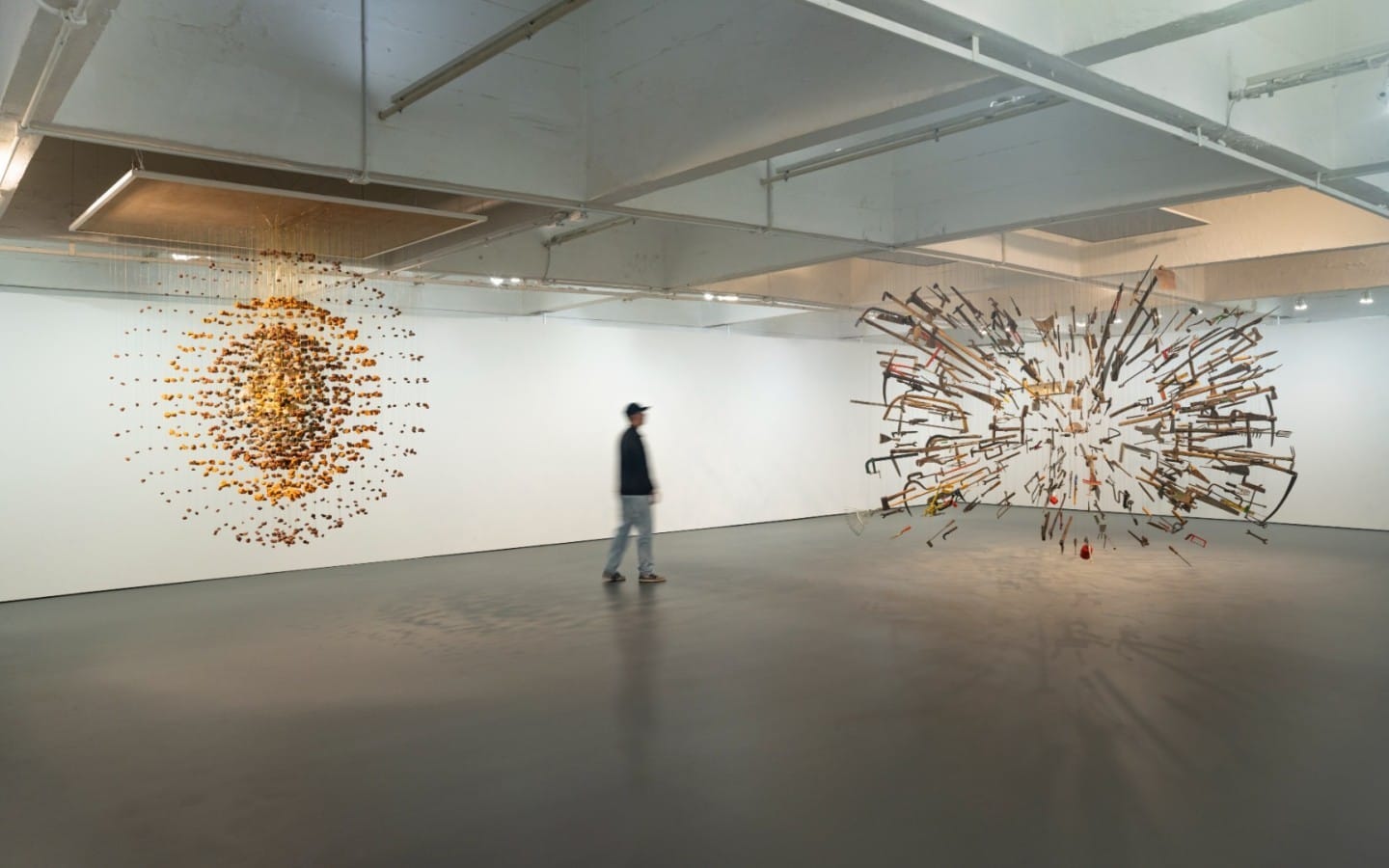
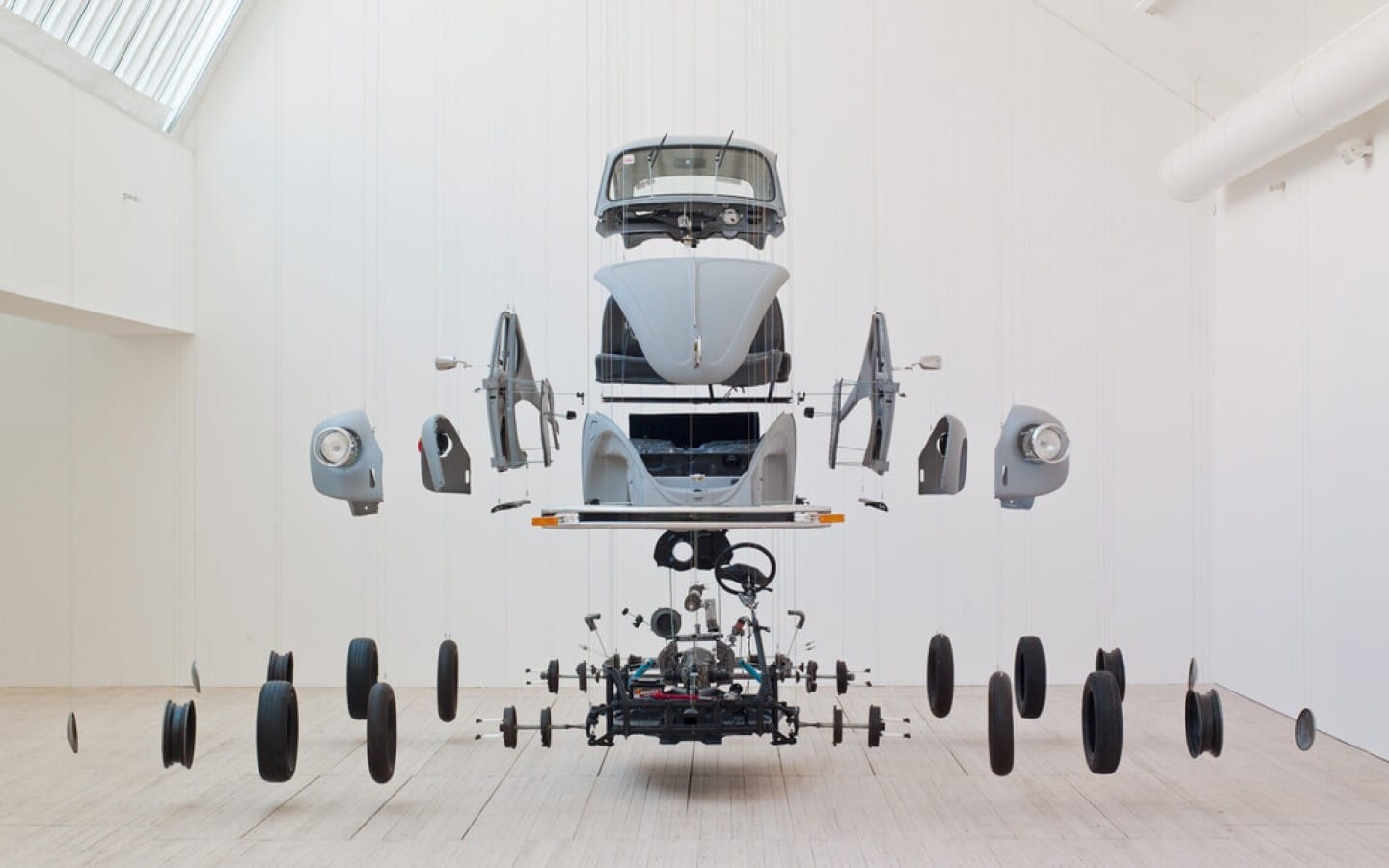
Ortega's Cosmic Thing, where he turns a Volkswagen Beetle into a floating array of parts, has stayed with me. This piece, iconic for its deconstruction of a familiar car into something like a constellation, hits the perfect mix of art and commentary. The car isn't just a utilitarian object; it represents culture and history, becoming vivid when transformed. It’s like seeing a common symbol of the 20th century industrial boom taken apart to reveal its many hidden meanings and functions.
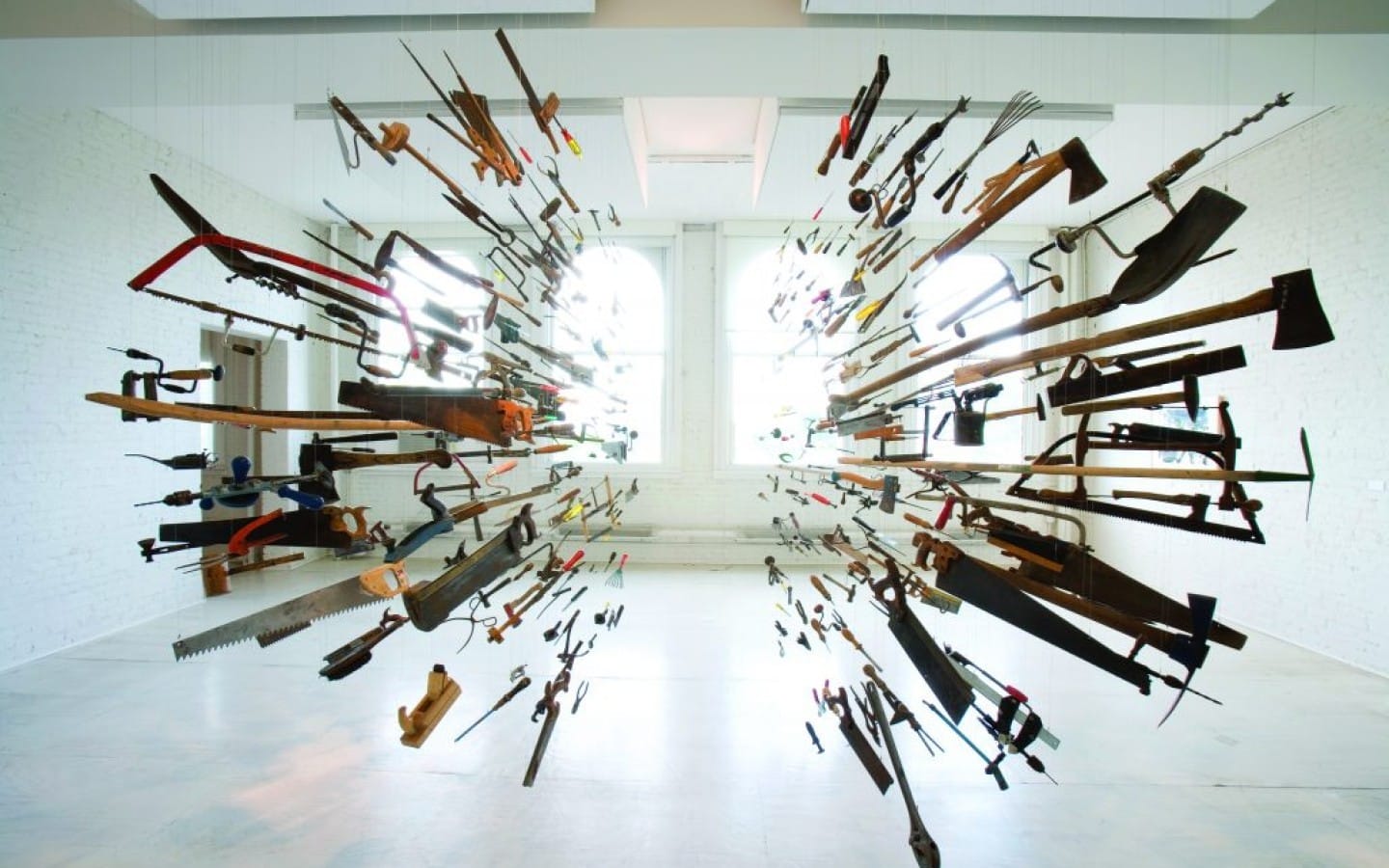
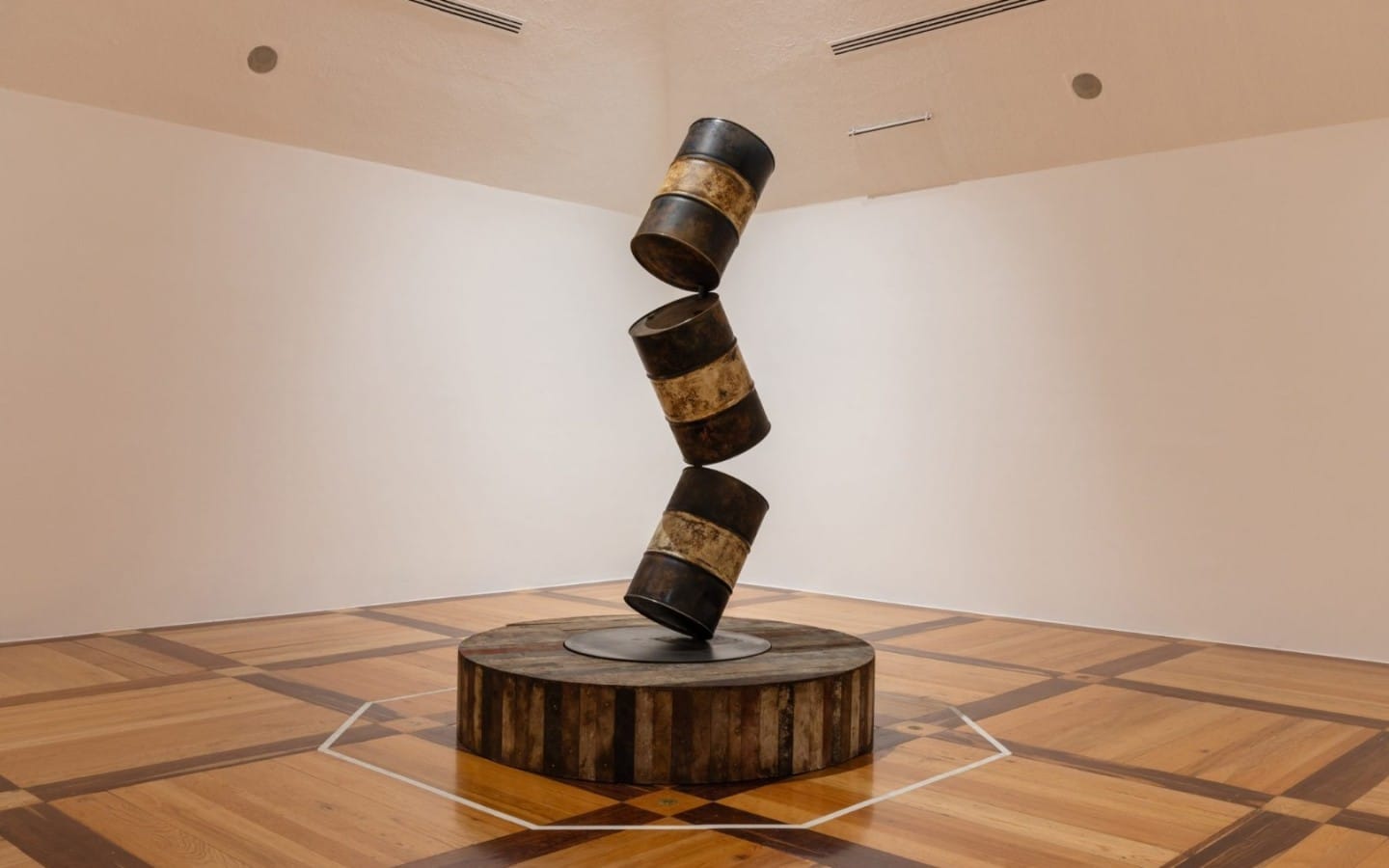
The whole exhibition at Centro Cultural La Moneda invites you to see the hidden life inside mundane items. Ortega is a magician with space and material. His sculptures toy with balance and gravity, stripping down objects so we peek into their inner lives. A car reflects labor and mobility, while a humble brick could be viewed as both a building block and a piece of economic history. These explorations made my visit deeply engaging and eye-opening, reminding me of how objects around us are embedded with social significance.
What You Should Expect
Experiencing Ortega's work in person is essential. Photographs don't capture the way his sculptures occupy space. Walking under his suspended installations felt almost like engineering was stretched into performance art. For fellow sculptors, this show is rich with inspiration. Architects and designers might also find his playful take on structure and material a fresh perspective on how we view objects.
Latin American art lovers will appreciate Ortega's connection between contemporary Mexican art and broader industrial and cultural histories. I saw the echoes of regional industry and modern life interwoven within his pieces. This is not just about examining current realities, but tracing their development from the past, especially as these themes resonate with the industrial histories of both Mexico and Brazil. If you’re curious about how everyday objects can transform into complex artistic narratives, this exhibition won't disappoint.
Reaching the Exhibition
Centro Cultural La Moneda is centrally located at Plaza de la Ciudadanía 26, right beneath Santiago's civic center. It’s a fitting place for this exhibition, blending art and government, giving you a sense of national importance. It's accessible via La Moneda station on Metro Line 1. There's also pedestrian access through the civic precinct if you prefer to explore on foot. For those driving, parking is available nearby. Arturo Merino Benítez International Airport connects easily with the city, making Santiago an excellent point to catch international visitors coming for the show. The travel options ensure that reaching the exhibition isn't a chore but part of the experience itself.
Where to Stay in Santiago
Santiago offers plenty of accommodation choices. Staying centrally will make your visit to Centro Cultural La Moneda more convenient. I suggest the Lastarria neighborhood for its cultural vibe and proximity to museums and galleries. Providencia is great if you want more hotel options and easy metro access. If you’re in search of vibrant nightlife, Bellavista would be your pick, although it’s a bit further from the historic center. Any area along Metro Line 1 makes commuting seamless.
For more residential charm, Barrio Italia offers a quaint atmosphere with independent shops and eateries. Las Condes might be a bit farther, but its international hotels offer all the amenities one might need, especially if your journey includes more extensive travel across the city. Staying close ensures more time immersed in Ortega’s transformative world.
Diving into the Depth of Ortega's Work
Damián Ortega, born in Mexico City in 1967, has been an influential voice since the 1990s. His art spans various media but always starts with everyday items. This approach roots him among artists questioning art versus ordinary life. However, Ortega uniquely ties this to Latin American contexts, like his famed Volkswagen Beetle installation. It's a symbolic twist on a vehicle valued both in Mexico and Brazil. The exhibition, traveling from São Paulo to Santiago, adds a South American layer to understanding his methods.
Ortega's career progression emphasizes transformations—how he sees beyond simple surfaces to the mechanics beneath. These elements aren’t just about physical deconstruction but about breaking down social and economic systems embedded within these objects. In turning everyday items into art, he exposes complexities that might otherwise be overlooked.
Making the Most of Your Visit
To fully appreciate the work, I recommend setting aside at least 90 minutes. Walk around the sculptures, observe them from different angles. Ortega’s work thrives on spatial dynamics, revealing function before transformation. Don’t skip the photographs and videos; they’re crucial in expanding your view beyond the sculptures. Checking out guided sessions at Centro Cultural La Moneda could deepen your understanding, offering insights into Ortega’s practice. The mediations offered can really enrich your experience, tying together the threads of art and context.
Beyond Just Cosmic Thing
It might be tempting to linger only on Cosmic Thing because of its fame, but Ortega's other pieces deserve as much attention. They share the same inventive dismantling approach that probes what occurs when we strip everyday systems to their bones. It's this constant inquiry that makes the exhibit fascinating beyond a single work or spectacle.
Seeing how Ortega asks the same fundamental question across various mediums and objects creates a tapestry of ideas that incite reflection. This continuity within his exploration reflects his continued curiosity and invites observers to dig deeper into the structures of everyday life. The question he poses is clear: what happens when we dissect the systems that support our daily existence?
Final Thoughts on the Exhibit
Matter and Energy challenges how we perceive ordinary objects in our world. For me, Ortega excels at bringing theoretical concepts into tactile art. You don't need a detailed manual to get it when you see a car burst into space. But spend time with it, and a web of meanings unfolds—labor, consumption, and politics emerge. This exhibition showcases how Ortega spent years unearthing the invisible systems tying us to our material lives. It's a compelling reminder of the hidden connections within our built environment, intricately and cleverly laid bare by Ortega's thoughtful disassembly. His ability to make concepts physically understandable while also challenging us to think deeply is what makes this exhibition truly modern and timeless.
Claire Bennett for ArtexpoWorld.com