ART OSAKA 2026
Explore ART OSAKA 2026: a journey through innovative spaces and diverse works in Japan's vibrant art scenes of Umekita and Kitakagaya.

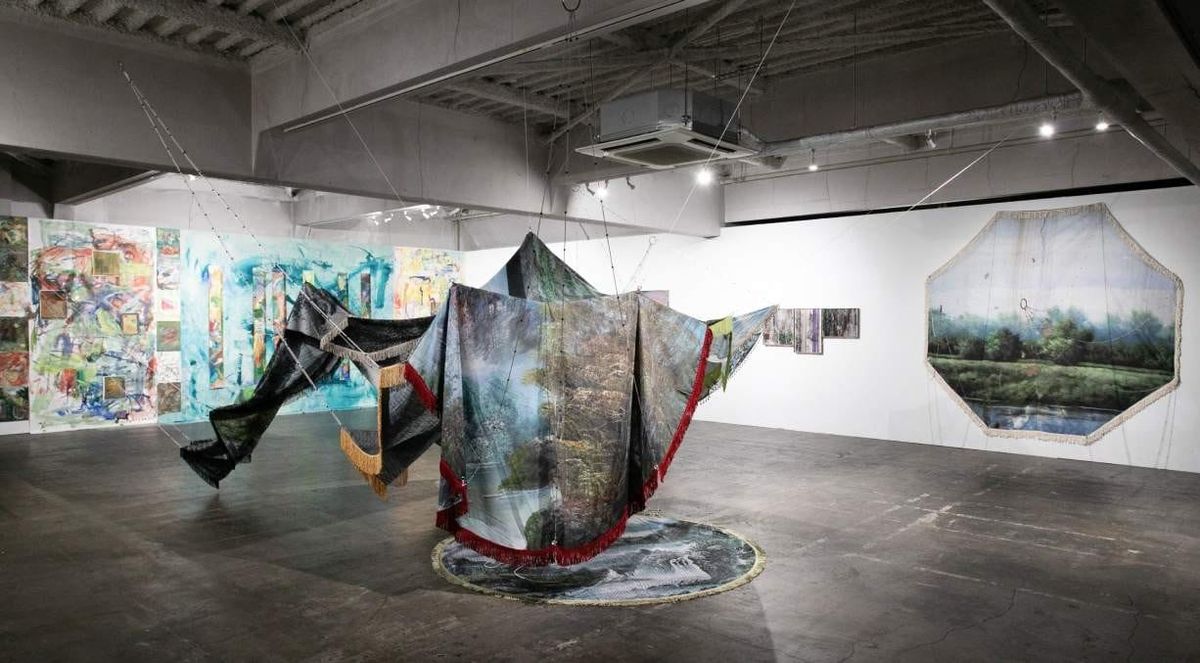
When I walked into the halls of ART OSAKA 2026, I was struck by how deeply the fair intertwined with the local pulse of Osaka. Running from May 28 to June 1, the event spread itself across both the bustling new cultural hub beside Osaka Station and the imaginative, revitalized former shipyards in Kitakagaya. This unique spread blended the traditional with the avant-garde, offering a multifaceted look at how contemporary art is shaping and being shaped by urban and industrial landscapes.
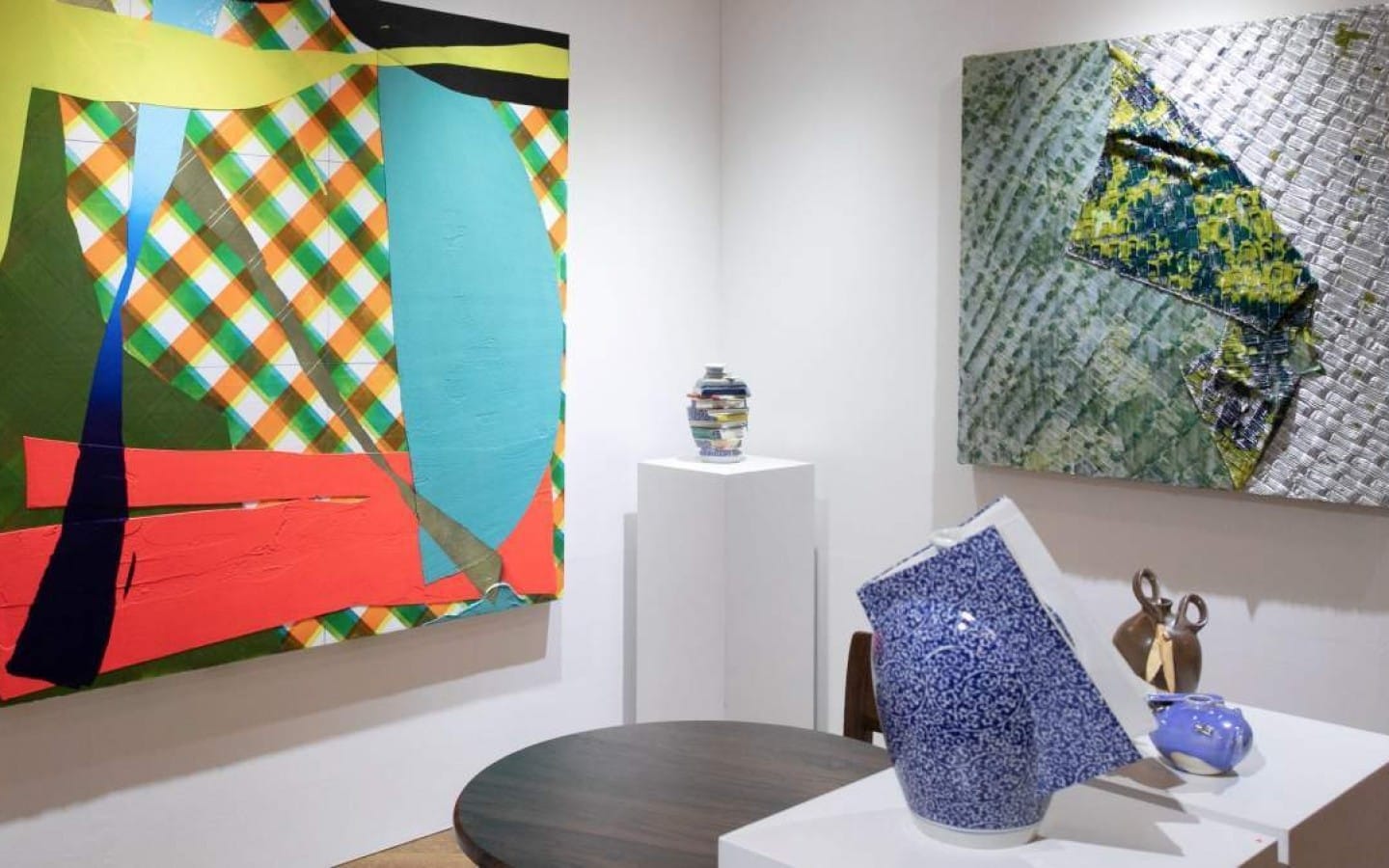
A Confluence of Art in Umekita and Kitakagaya
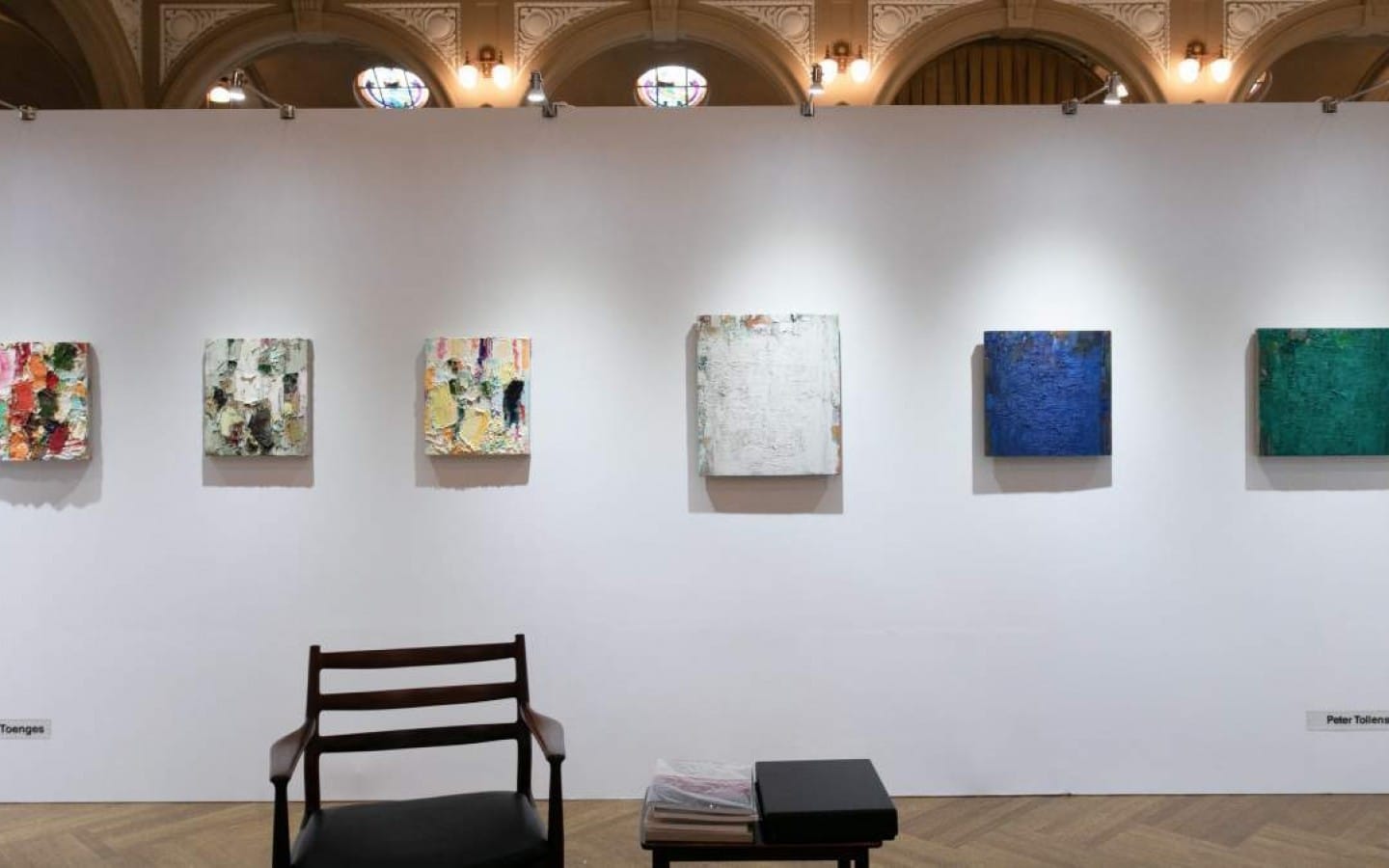
ART OSAKA, established over two decades ago in 2002, is a pioneer in Japan’s art scene. For the 2026 edition, the locations chosen for the fair felt pivotal. At the heart was Congrès Square Grand Green Osaka, a space that seemed to symbolize the fair’s mission: connecting the art economy with cultural conversations. The fair aims to foster an ecosystem where galleries are supported over the long term, understanding the vital role they play in an artist's career. Across the city, the Experimental Section ran at the Creative Center Osaka, housed in spaces once devoted to industry but now brimming with artistic exploration. Both spaces offered a narrative not just of selling art but ensuring its sustainable future by valuing the places from which it springs.
Experiencing ART OSAKA 2026: From Collectors to Cultural Wanderers
There was a sense of discovery as I navigated the Galleries Section. Showcasing artwork from Osaka, Kyoto, Tokyo, and beyond, it attracted not only seasoned collectors but also curious first-timers. Being there felt like flipping through a catalog of what's current and emerging in the Japanese art scene. The intimate conversations I had with gallery owners about both well-known and emerging artists were a highlight. It was enlightening to see works that would challenge the boundaries of marketability co-exist with those oriented more towards the market.
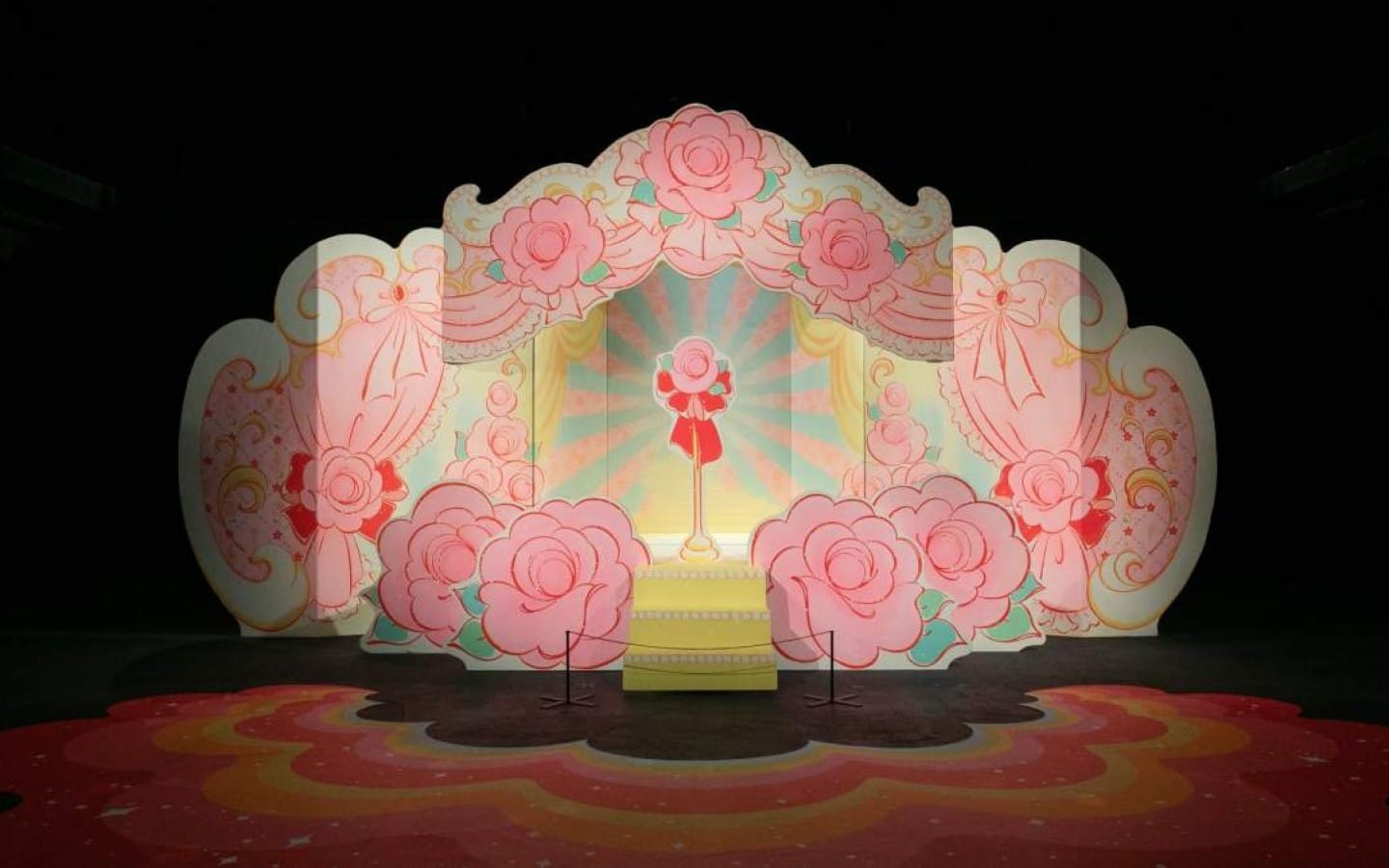
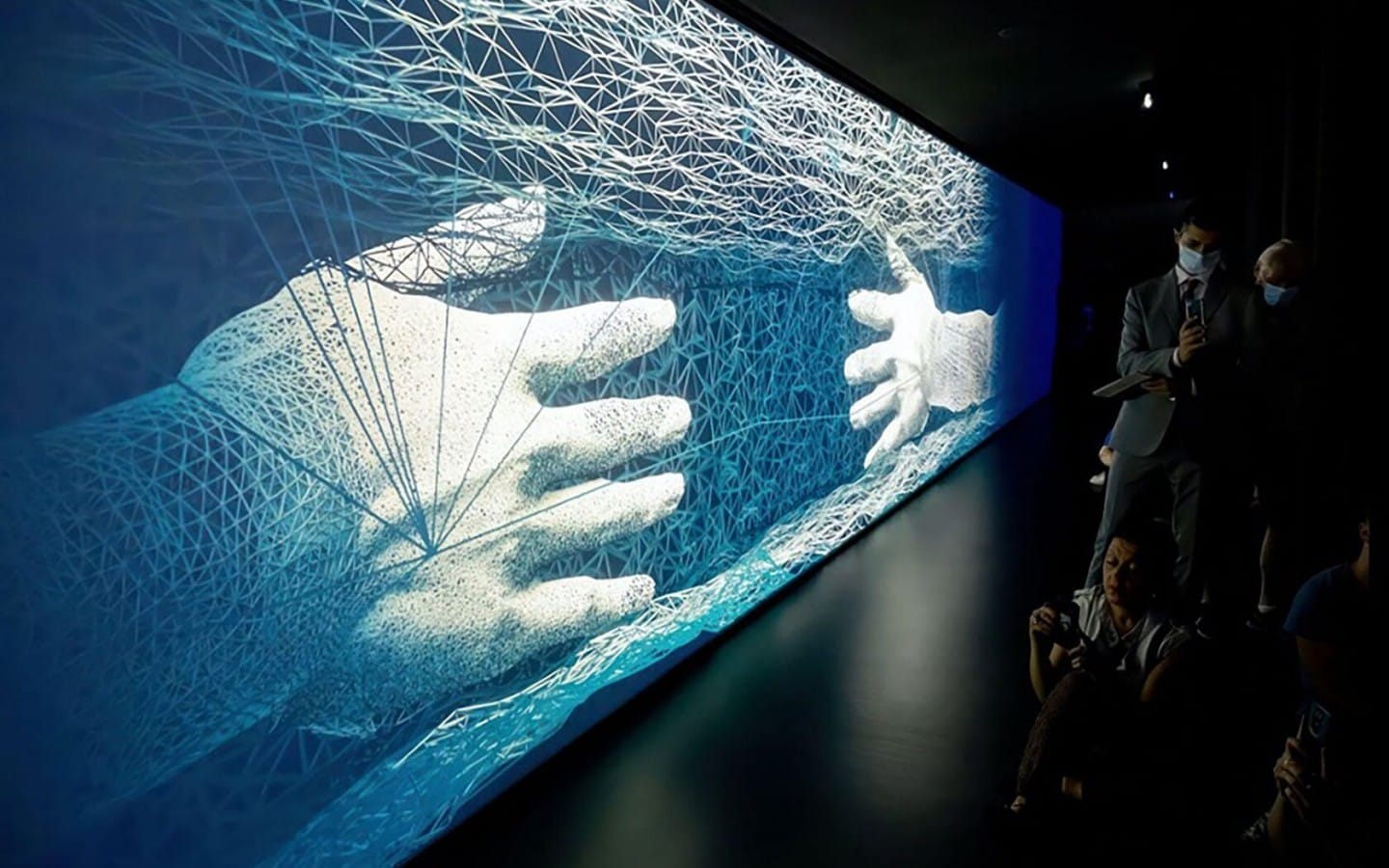
The variety was staggering — from grand paintings to intricate prints, all accentuated by the presence of participants from across Asia, including Korea and Vietnam. This diversity gave the fair an international flair while remaining distinctly tied to the Kansai art community. My visit to the Expanded Section at the Creative Center offered its own allure. The installations there engaged directly with the venue’s industrial past, providing a stark but captivating contrast to the polished spaces of Umekita. For art professionals and curators, these presentations, especially the Focus and Screening displays, offered a deep dive into individual artistic practices and the evolution of moving-image art.
Navigating Osaka's Art Vibrancy
The logistics of reaching ART OSAKA were straightforward, with venues well connected via public transport. The Congrès Square was just a short walk from JR Osaka Station, making it ideal for dropping by at any point during the day. I relied heavily on the train system, easily getting from the fair to other parts of Osaka. Particularly useful was the free shuttle that operated during the fair's main days, traveling between Umekita and Kitakagaya. Comfort was key for extensive exhibitions, and I found the trains not only punctual but an opportunity to see different parts of the city en route to the next artistic destination. This level of accessibility made it feasible to fully explore both sections in a single day, an efficient way to grasp the broader exhibitions without feeling rushed.
Choosing the Right Place to Stay
Finding accommodation was convenient, with several options depending on one’s interests. For a proximity-focused choice, the areas around Umeda and Osaka Station offered accessibility to the Galleries Section. Here, well-connected railways and a bustling neighborhood promised convenience and activity. Prefer a quieter stay? Nakanoshima presented a serene riverside environment perfect for those keen on museums, while those seeking a vibrant nightlife might lean towards Shinsaibashi or Namba. These locations also boasted quick metro access, helping connect visitors to various parts of the city seamlessly. For me, staying in Umeda struck a balance, allowing easy access to both the fair and Osaka’s other cultural gems.
Long-Running Legacy of ART OSAKA
ART OSAKA has a history rooted deeply in the Japanese cultural fabric, nurtured not by global corporations but by local stakeholders keen on fostering a thriving art scene. This grassroots approach highlights the commitment to maintaining a thriving cultural environment that embraces both its independent spirit and traditional influences. The 2026 edition maintained this trajectory, integrating new cultural possibilities within Osaka’s landscape — from the gleaming developments of Umekita to the innovative reuse of Kitakagaya’s industrial precincts. By standing apart from corporate-driven fairs, it offers a more genuine reflection of Japan’s rich cultural narrative.
Visiting Tips for Future Enthusiasts
If you’re planning to visit a future ART OSAKA, it’s essential to see it as an experience spanning multiple venues. Allow time for leisurely exploration. Understanding the local nuances of the art presented enriches the experience, and each piece feels more profound with context. The larger works in the Experimental Section, particularly, demand patience to appreciate fully. Consider practical comforts like wearing good walking shoes for the extensive industrial spaces in Kitakagaya. Remember, too, to engage with the galleries — a question about an artist’s biography or the detail in a painting can lead to unexpected insights. Talking to representatives can often reveal aspects of the artwork’s creation that aren’t immediately apparent.
Insight from Art Professionals
ART OSAKA 2026 was not just an exhibition, but a reminder of Osaka’s unique cultural position. It emphasizes the need to explore local galleries alongside larger themes, uncovering stories that might escape broader headlines. Conversations with local curators can unveil perspectives and histories often overlooked outside Japan. Each dialogue at the fair seemed to hint at a broader narrative of cultural evolution, revealing what makes Osaka a vital part of Japan's artistic landscape.
As I walked away from ART OSAKA 2026, it was clear that the fair had successfully bridged its local origins with a broader international narrative. By rooting itself in the distinctive character of Osaka, it offered not just art, but a deep sense of place, encouraging us to invest not just in artworks but in the stories they carry. ART OSAKA’s careful balance of commerce and creativity made for an encounter that was as educational as it was visually stunning, a true celebration of the power of contemporary art.
Claire Bennett for ArtexpoWorld.com