ArtVilnius 2026
Explore ArtVilnius 2026, a vibrant contemporary art fair in the Baltic States, connecting artists across Europe. Discover my experience visiting this cultural hub.


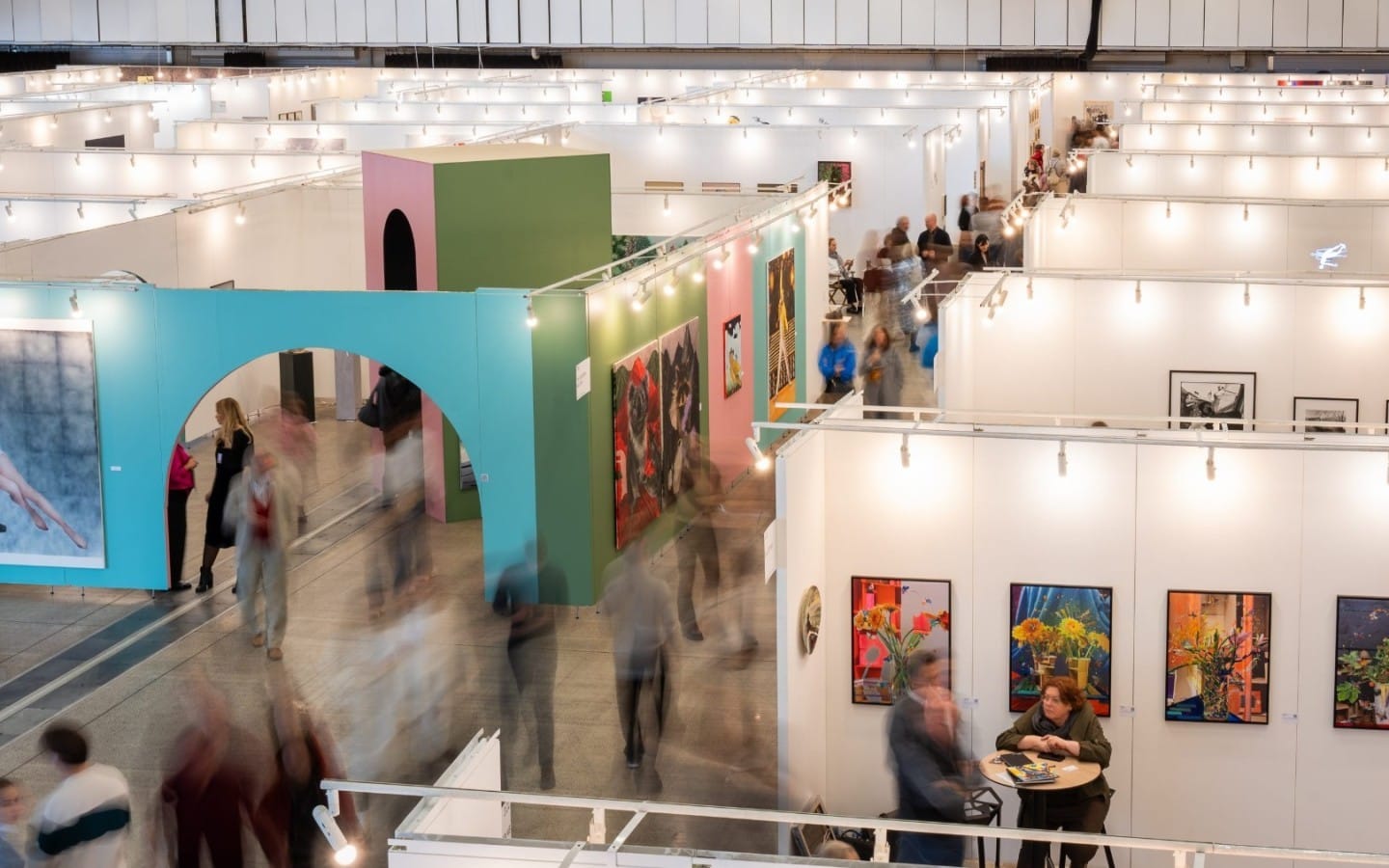
ArtVilnius 2026 was a remarkable experience, showcasing why it's considered the largest contemporary art fair in the Baltic States. Held at the Lithuanian Exhibition and Congress Centre LITEXPO, this 17th edition of the fair presented a vibrant mix of galleries, artists, and cultural activities from October 1-4, 2026. My visit to Vilnius this autumn was a deep dive into the art world, crossing paths with curators, collectors, and fellow art enthusiasts.
Unveiling Contemporary Art Connections
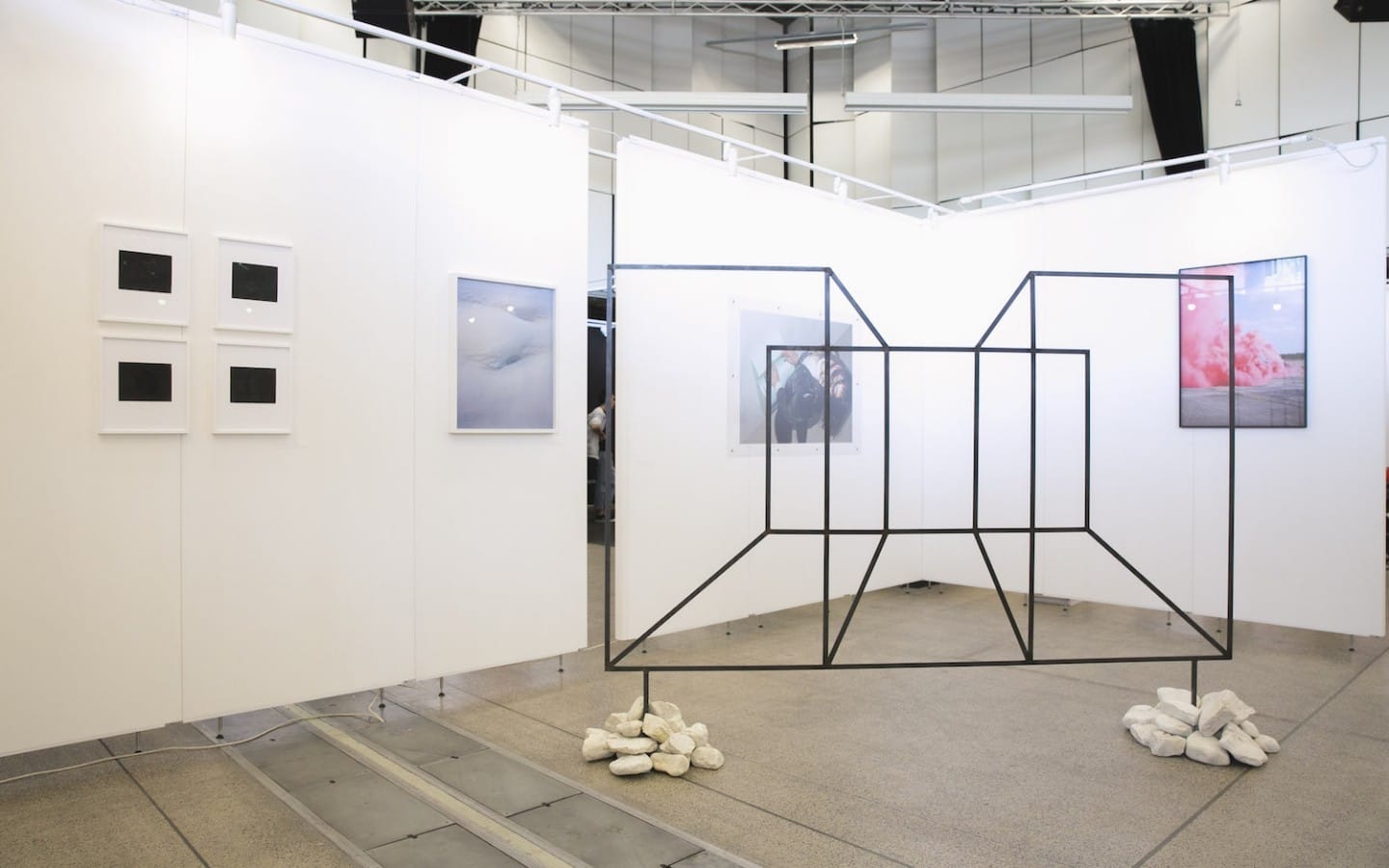
Walking through the halls of ArtVilnius 2026 made it clear how this fair extends beyond merely exhibiting art. Its mission is to amplify the presence of Baltic contemporary art and interlace it with Europe's broader art scene. The fair offered a platform for local artists and galleries to gain international recognition, bridging the cultural gaps between Central, Eastern, and Northern Europe. It was heartening to see future collaborations beginning to form, with artists discussing their work with a diverse array of international curators and collectors eager to bring these dynamic Baltic voices into their collections and exhibitions.
ArtVilnius plays a crucial role in expanding the map of contemporary art beyond traditional Western centers like Paris, London, or New York. This expansion isn't just geographical; it's cultural. By presenting art that arises from unique histories and social contexts of the region, the fair enriches the global art discourse. This year, I noticed an increased emphasis on supporting the culture of collecting art in the Baltic region. Various talks and forums encouraged visitors to see contemporary works not just as temporary eye candy but as treasures to be supported, purchased, and preserved for the future.
Why This Art Fair Stands Out
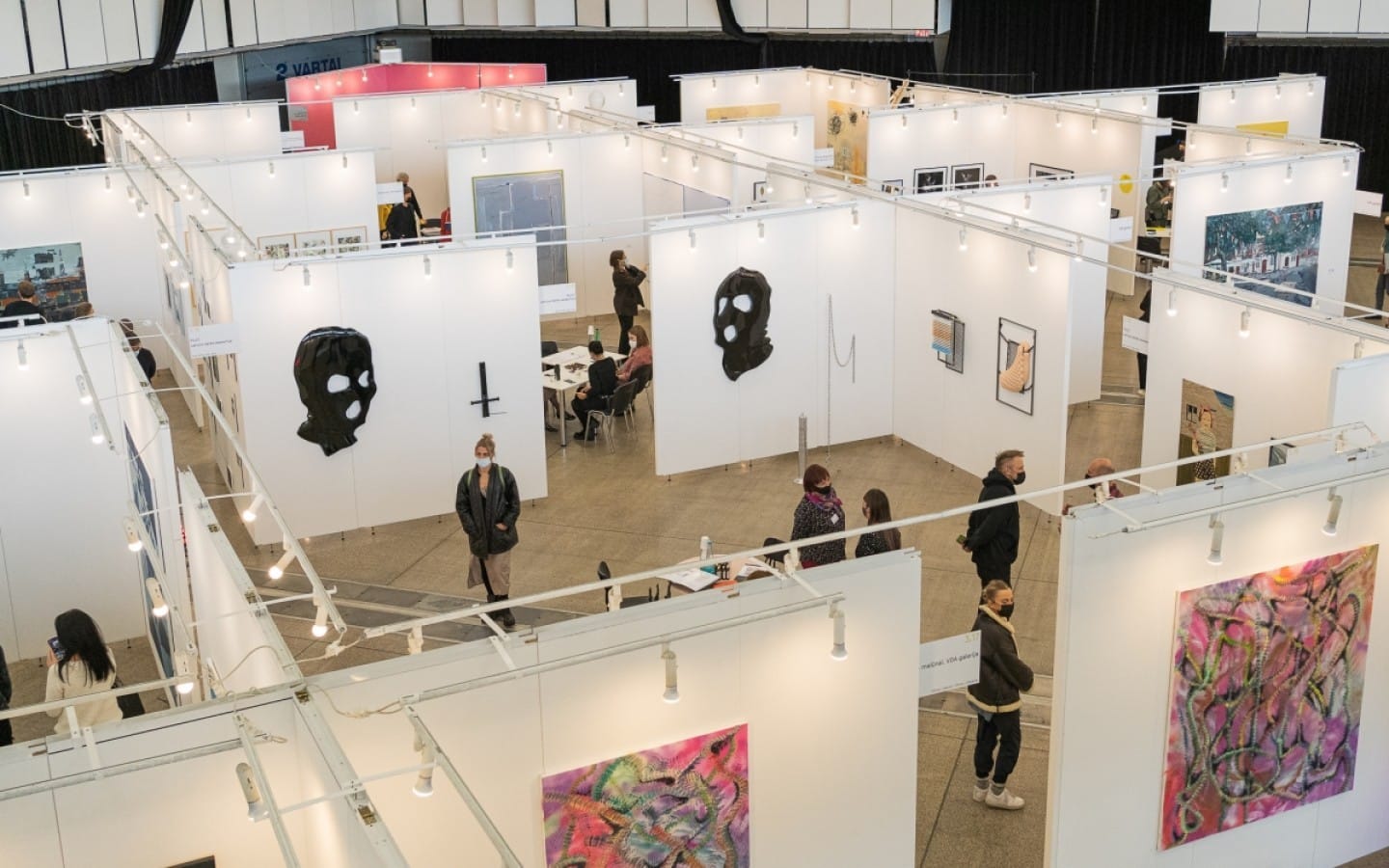
ArtVilnius 2026 was a feast for anyone interested in the unique nuances of Baltic art. Unlike larger Western European fairs, it provided an intimate setting to explore emerging and established voices from Lithuania and neighboring areas. It was a rich hunting ground for collectors seeking culturally significant pieces with growth potential. The fair offered not just an abundance of paintings and sculptures but also video installations, multimedia works, and performances that responded to current global issues with a fresh perspective. Engaging with these works felt like being part of a broader, unfolding conversation that is as much about shared human experience as it is about art itself.
For the wandering art lover, the fair became a gateway to Vilnius's artistic essence, coupling perfectly with the city's treasured museums, historical lanes, and vibrant local culture. Exploring the streets of Vilnius outside the fairgrounds offered a glimpse into how the city's eclectic nature complements the artistic endeavors showcased at ArtVilnius. The historic architecture serves as a backdrop that seems to whisper stories of the city’s evolving identity, harmonizing with the modern art narratives presented at the fair.
Journeying to the Fair
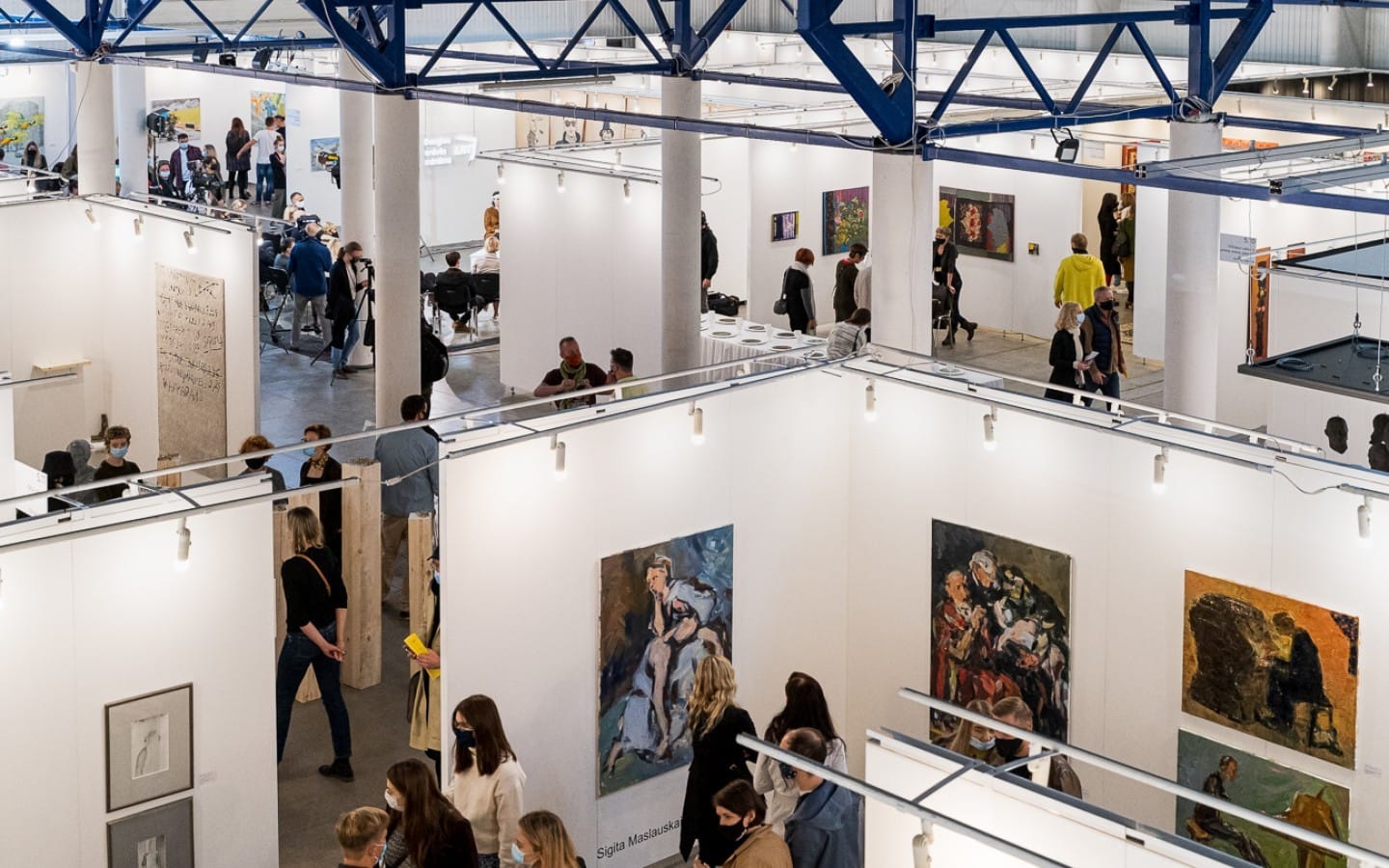
Getting to ArtVilnius was straightforward. Vilnius International Airport, just a short trip from the city center, serves as the main entry point for international visitors. LITEXPO is easily accessible from central Vilnius by public transport or a brief taxi ride, making it a convenient and central location for the fair. Navigating the various options allowed for a stress-free travel experience. I boarded a city bus from the Old Town that ran directly to LITEXPO, offering a comfortable and scenic route.
With efficient transport links to nearby Baltic and regional cities, attending ArtVilnius could easily be part of a larger art-themed trip through the region. I met visitors who were stopping over as part of a tour including Riga and Tallinn, making the most of their travels by integrating ArtVilnius into their cultural itinerary. Such connections emphasize how the fair acts as a cultural fulcrum, not just within Lithuania, but across the Baltic region and beyond.
Finding the Right Place to Stay
While staying in Vilnius for ArtVilnius 2026, I chose accommodation in the charming Old Town. This area is perfect for cultural explorers, teeming with history, cozy cafés, and easy access to the city’s main attractions. It is a joy to walk those cobbled streets, where the architectural layers evoke past eras and signal the city's transformation over centuries. The morning of the fair, I enjoyed a leisurely coffee overlooking the spires of the metropolis, a gentle build-up to the vibrant world of ArtVilnius.
Others might prefer the modern conveniences of the city center or Naujamiestis, particularly if you prioritize practical access to the fairground. Areas close to LITEXPO are also available for those who wish to focus more exclusively on the fair itself. As it was early October, I made sure to book well in advance due to the influx of art lovers, professionals, and gallery representatives. This foresight proved beneficial as the city was buzzing with activity.
Reflecting on ArtVilnius's History and Impact
ArtVilnius is more than just an art fair; it is a pivotal event in the Baltic art scene's calendar. This year's edition reinforced its significance by merging art with the local cultural fabric of Vilnius. The city's eclectic blend of old and new provides a fitting backdrop, making the fair an immersive cultural venture. ArtVilnius highlights the Baltic region's contribution to the global art market, offering a stage for diverse artistic expressions and narratives. By visiting each year, I witness the fair's growth and see how it continues to shape not only the local but the wider European art scene.
Engaging with ArtVilnius 2026 felt like participating in an ongoing dialogue with the city’s history. It allowed me to appreciate Vilnius as both a historical center and a modern cultural hub, intertwining its rich past with its present aspirations. This synergy between place and art is ultimately what makes the fair so vital and engaging.
Essential Tips for Future Visitors
Before visiting, I checked their official website for the final list of galleries, schedule, and other essential details. The VIP Preview on October 1 was an incredible opportunity for collectors and professionals to engage deeply before the public days from October 2-4. Immersed in the energy of important contacts and potential acquisitions, this preview offered a sneak peek into the innovative works that public visitors would soon enjoy.
Visiting ArtVilnius required a few hours, at minimum, to fully appreciate the breadth of work on display and participate in talks and project zones. I particularly enjoyed spending time in the Project Zone, curated by Neringa Bumblienė, which offered intriguing perspectives through interactive and experimental installations. I paid special attention to the focus on Vilnius, Vienna, and Warsaw, which added layers to my understanding of this year’s thematic and curatorial choices. This focus highlighted the unique narratives and cross-cultural dialogues that shape contemporary European art today.
Broadening Your Art Perspective
It's easy to overlook the significance of ArtVilnius if seen merely as a regional gathering. Yet, its true value lies in showcasing underrepresented European art. By observing galleries from Lithuania and proximate countries, I encountered original and powerful narratives often absent in mainstream art fairs. ArtVilnius shone as a crucial venue shedding light on a vibrant yet quieter corner of the art world, fostering a deeper appreciation for regions that the international art world is only beginning to recognize and support.
Claire Bennett for ArtexpoWorld.com