Estampa 2026
Explore Estampa 2026, Madrid's key showcase for Spanish and Portuguese contemporary art.

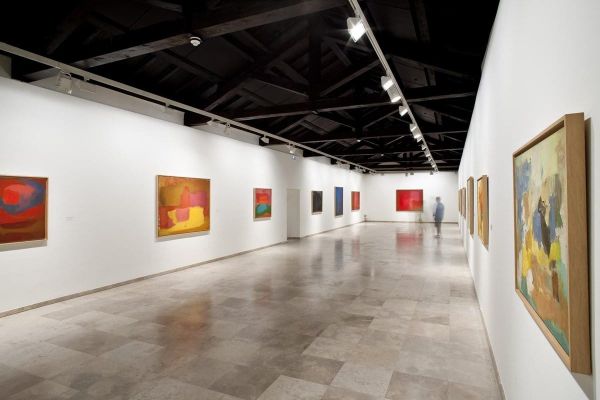
Walking through the bustling halls of IFEMA Madrid during Estampa 2026 was a vivid encounter with the art world in its most dynamic form. This year's fair, hosted at Pavilion 5, continued its mission to elevate contemporary art from Spain and Portugal, connecting local creatives with global art enthusiasts and collectors.
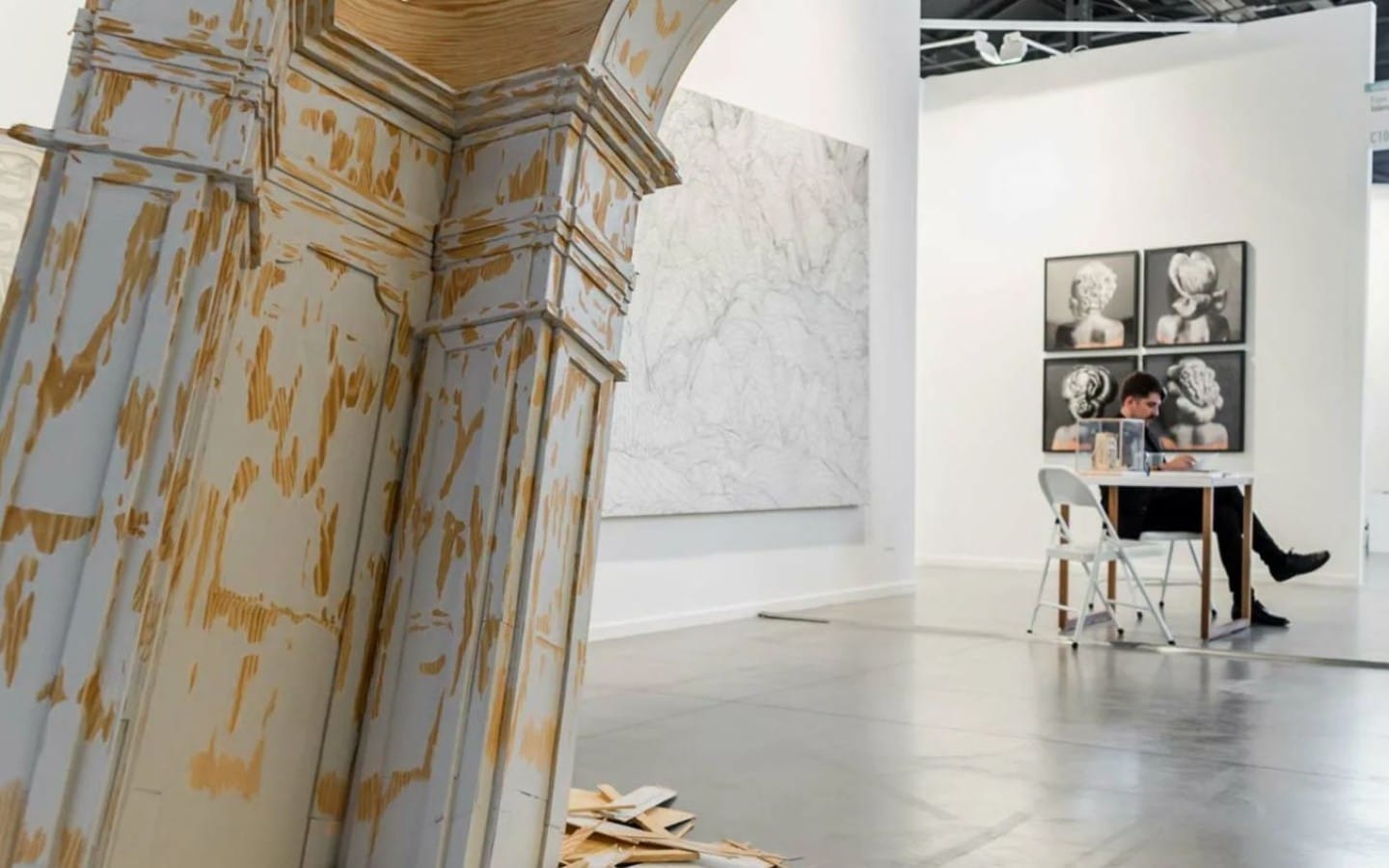
A Platform for Iberian Creativity
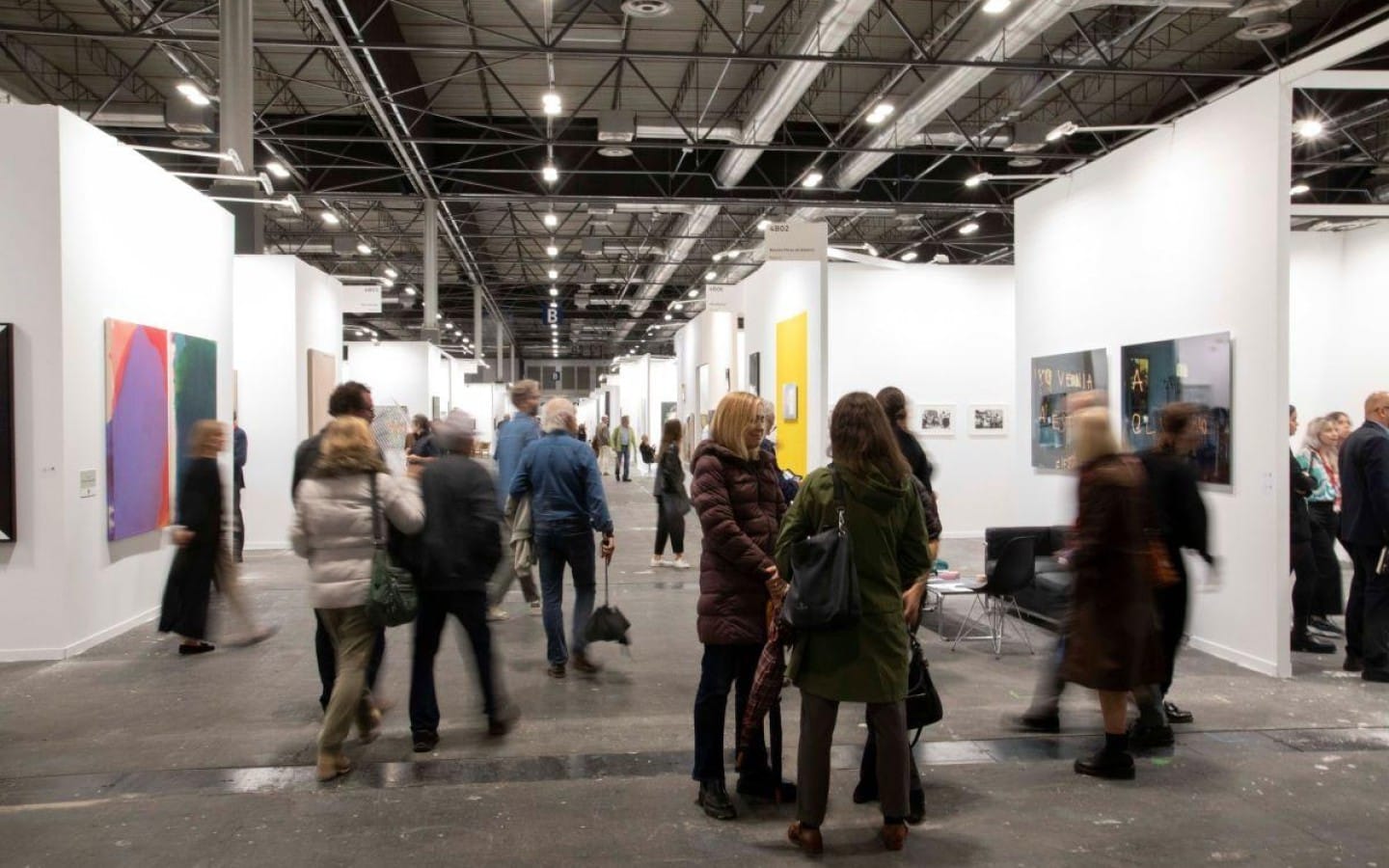
The aim of Estampa 2026 was clear: bolster the local art market by placing Spanish and Portuguese galleries and artists at the forefront of the international scene. This was more than just a marketplace; it was a cultural exchange where the dialogue between creators and collectors flourished. The fair offered a curated journey, illustrating how galleries, artists, and collectors shape the vibrant contemporary art world today. With its range of forums, debates, and specially curated sections, Estampa fostered an environment of learning and engagement, pulling in international perspectives while deeply rooting in Iberian traditions. For those keen on Iberian art, it provided an enriching experience filled with perspectives that transcend borders.
Reasons to Experience Estampa
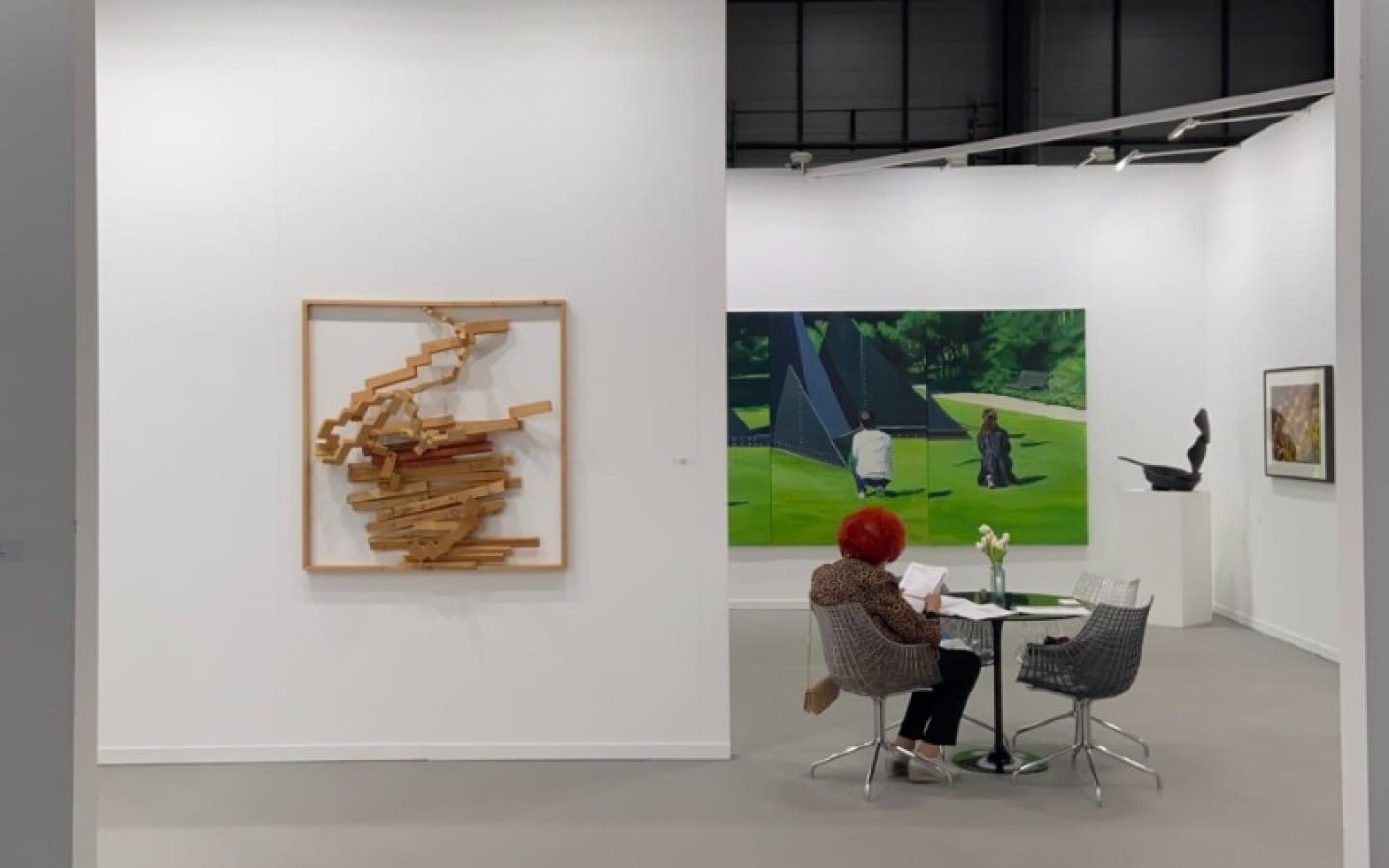
Attending Estampa 2026 was a chance to dive deeper into the lesser-known but richly layered Spanish and Portuguese gallery scenes. For collectors, the fair was a treasure trove, filled with artworks that hold not just immediate appeal but long-term value, reflecting a profound regional depth. The curated sections provided an in-depth look at current themes and practices, which were especially helpful for understanding emerging trends in the Iberian market. Art professionals could gain insights into evolving trends and institutional dialogues, offering a comprehensive view of Spain’s gallery ecosystem. And for travelers like myself, visiting Madrid during September for this event also meant engaging with the city's broader cultural fabric, which includes major museums like the Prado and Reina Sofía, iconic architectural spots, and exquisite dining experiences.
Navigating the Venue
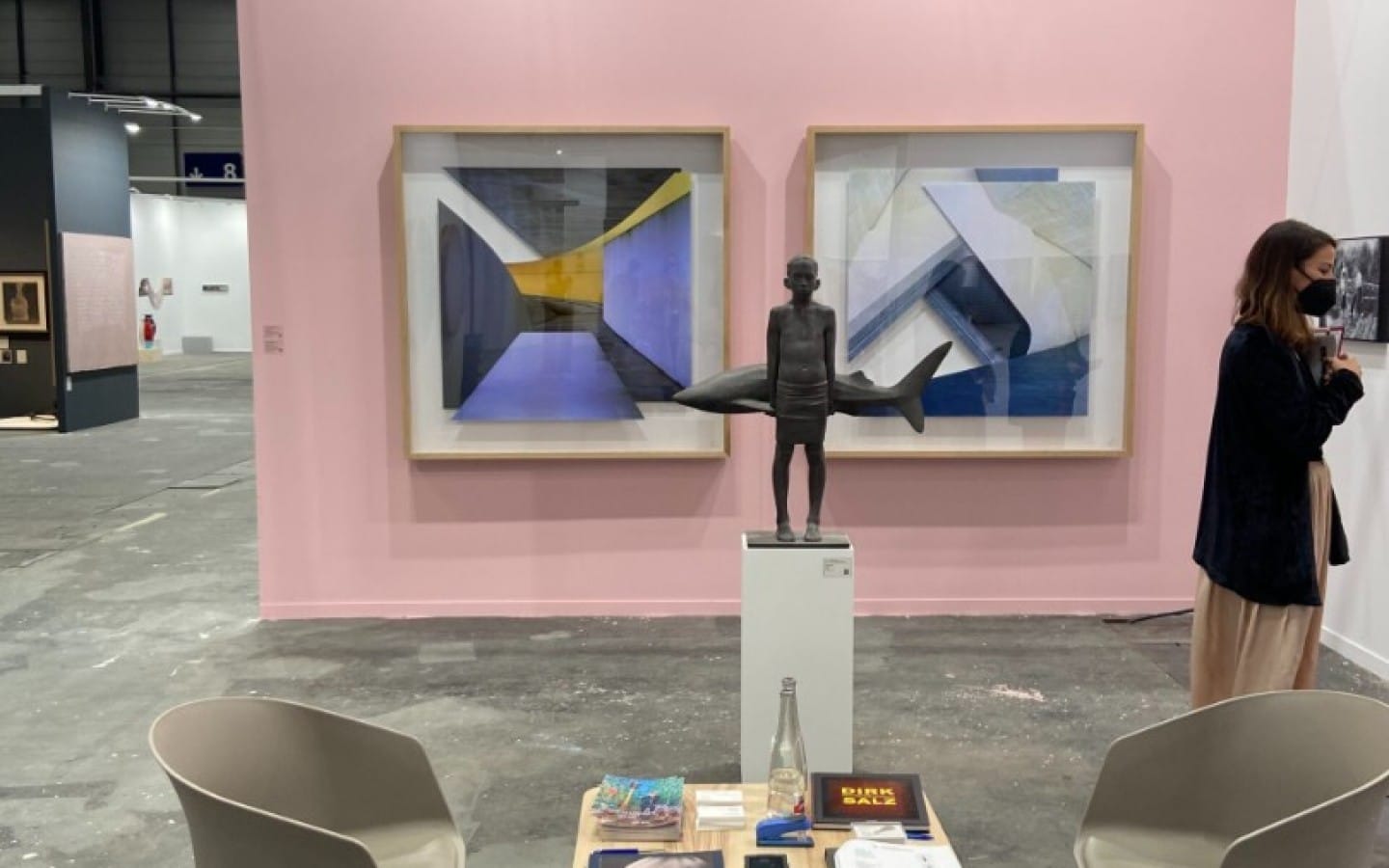
Getting to Estampa at IFEMA Madrid was hassle-free. Located in Madrid's Barajas district, IFEMA was conveniently accessible by various modes of transport, including metro, bus, and taxi. The Feria de Madrid metro station on Line 8 was just around the corner, linking attendees to central Madrid and the airport seamlessly. For international visitors arriving at Adolfo Suárez Madrid-Barajas Airport, the closeness of IFEMA ensured a smooth transition to the fairgrounds. The venue’s location made it a practical choice for both local and international visitors, allowing for an immersive art experience. Accommodation options varied from nearby hotels for those focusing on the fair to more central spots which allowed me to explore more of what Madrid has to offer, from its buzzing art scene to culinary delights.
Where to Stay
Choosing where to stay during Estampa 2026 offered visitors a variety of experiences. Staying in central Madrid was my preferred choice, offering easy access to a host of restaurants, galleries, and major museums. Salamanca stood out as a district for those seeking luxury and style, while Las Letras suited those wanting proximity to cultural institutions. Chueca and Gran Vía were also excellent choices for their vibrant atmospheres and cultural nodes. Chamberí is another neighborhood that offers a mix of historic charm and modern amenities, making it an attractive option. Booking ahead was essential due to the fair's timing in late September, a popular period for cultural events in Madrid.
Diving into Estampa's Contribution to Art
Estampa’s significance lies in its focus on elevating the collecting culture in Spain. As I walked through its spaces, I realized how vital it is within the Spanish art calendar. Unlike ARCOmadrid, which takes place earlier in the year and is recognized for its broader international identity, Estampa signals the onset of autumn in the arts. Its unique Iberian focus set against a backdrop of Madrid's storied art history provides different layers of experience and understanding. The setting of Madrid, with its wealth of museums and art spaces, provided a perfect context for meaningful art conversations and new discoveries, encouraging global dialogues anchored in local narratives.
Tips for Making the Most of Your Visit
Before attending, checking the official website was essential for updates on the programmes and participating galleries. Estampa opened its doors from 11:00 to 20:00 on its first day and from 12:00 to 20:00 for the rest, providing ample time to absorb the offerings. Visitors were advised to allow at least two to three hours to explore fully. For collectors and professionals, additional time for engaging with galleries and attending forums was invaluable. As a visitor, taking the time to explore curated sections was particularly rewarding, often offering insights into current art dialogues and trends. Those interested in collecting were encouraged to ask galleries detailed questions about artists, pricing, and future exhibition plans, turning a visit into both an educational and a potentially profitable venture.
Understanding the Heart of Estampa
Estampa 2026 welcomed visitors into the Spanish and Portuguese art scene’s heart. It’s easy to be swayed by established names, but the real charm lay in the curated sections and forums that highlighted underlying market trends and questions. These areas illuminated the quintessential questions driving contemporary creation in the region, offering clarity on the art market's future direction. Celebrating its 34th edition, the fair solidified its role as the go-to autumn destination for those committed to understanding and participating in the Iberian art market. The fair stood not as a generic global platform but as a cultural beacon for those with an affinity for Iberian artistry.
The experience at Estampa was enriching, offering much more than just a showcase; it was a testament to the strong cultural narratives existing between Spain and Portugal. This fair didn't just display art—it crafted a chronicle of creativity and exchange unique to this region, and I was privileged to witness it all unfold in such a vibrant setting.
Claire Bennett for ArtexpoWorld.com