FNB Art Joburg 2026
Explore FNB Art Joburg 2026, a key platform for African and diasporic art. Peek into the contemporary art scene in Johannesburg through Claire's visit.
Attending FNB Art Joburg 2026 was an eye-opener. Held at the Sandton Convention Centre, the event stretched from 4th to 6th September. It was a dive into the contemporary African art scene. The ambiance was electric, buzzing with galleries and artists from across Africa and its diaspora. The fair, organized by the Art Joburg team under Mandla Sibeko with Kim Kandan managing the details, aimed to place African and diasporic art at the center of the global conversation. The involvement of First National Bank as the headline sponsor also highlighted its significant role in supporting and showcasing African art.
Experiencing the Sections and Their Offerings
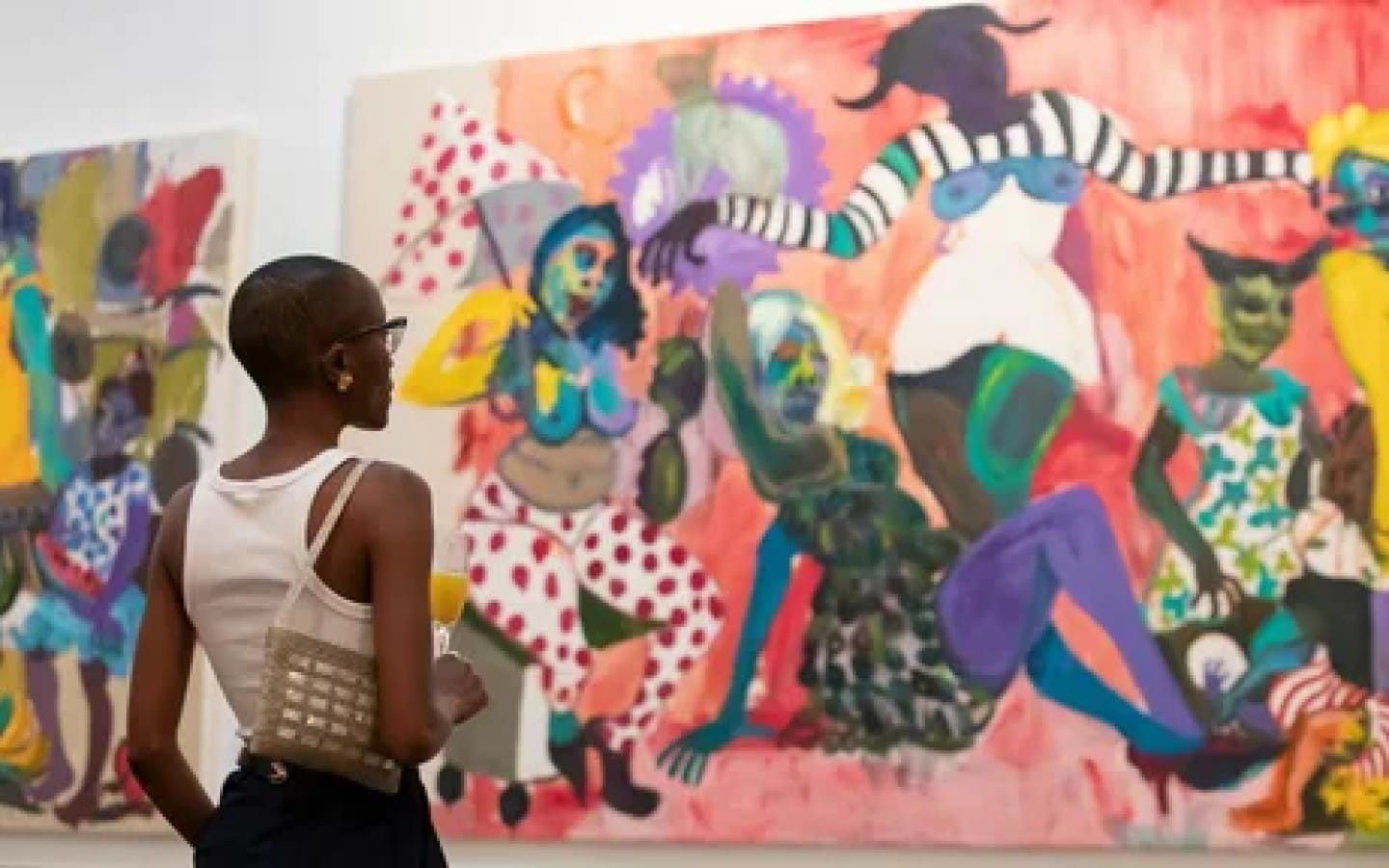
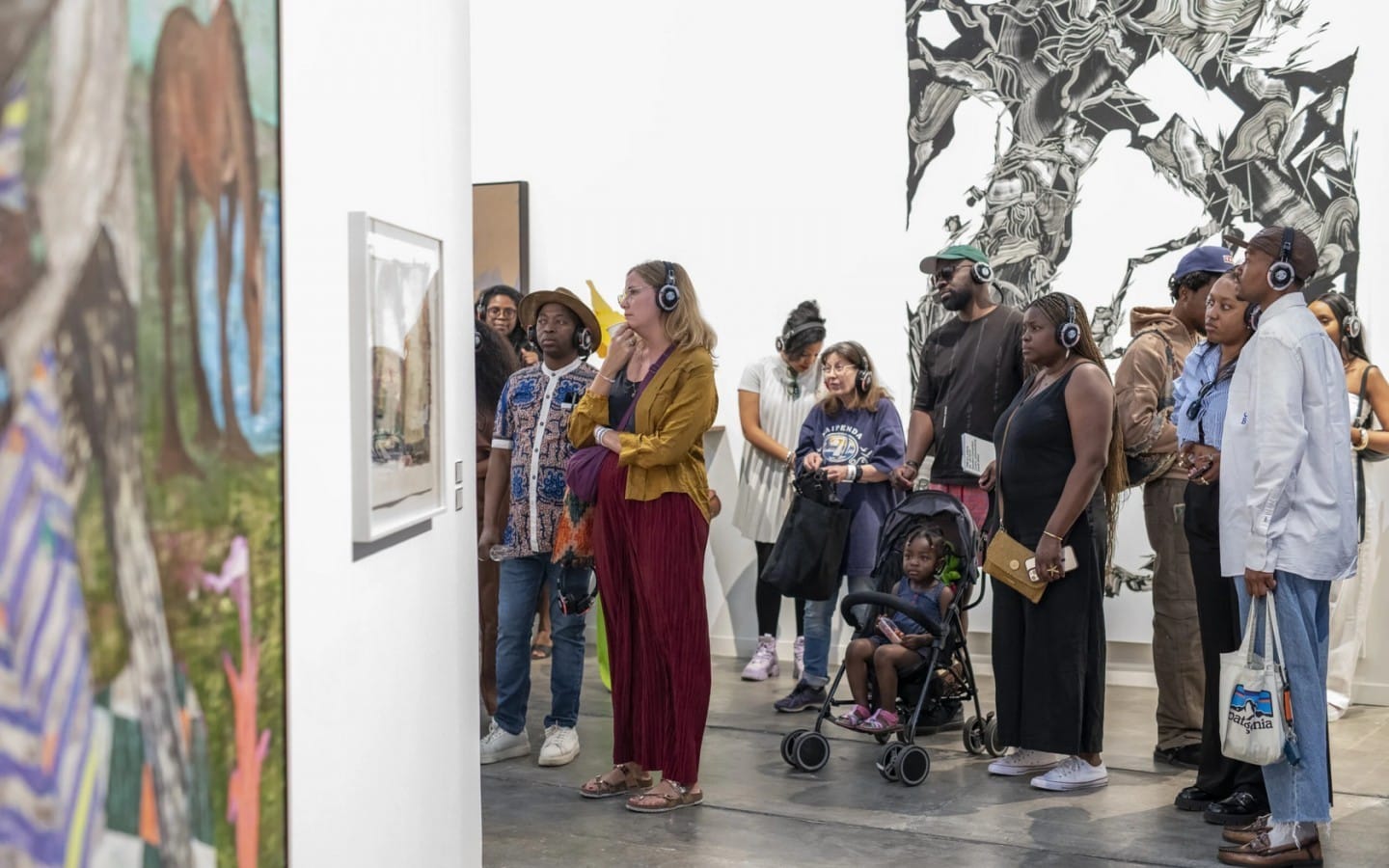
The fair was organized into eight diverse sections. Each corner, a different aspect of the continent's creativity. It wasn't just about commercial galleries. One could find experimental projects, installations, and extensive discussions on art publishing. I loved that museums and universities were woven into the event. It provided a rich texture to the experience, where academic insights met market dynamics. The emphasis was on fostering deep connections. Not only among collectors, but across the full spectrum of those passionate about art in Africa.
Particularly intriguing was the fair's connection with institutions beyond its confines. Collaborations with universities and cultural organizations introduced a more holistic view of contemporary art practices. It wasn't limited to sales; it cultivated a cultural dialogue that was just as crucial. The galleries offered a mix of large installations and intimate solo projects, making each step feel like a new chapter in a broader narrative about African art today.
The Appeal for Collectors and First-Time Buyers
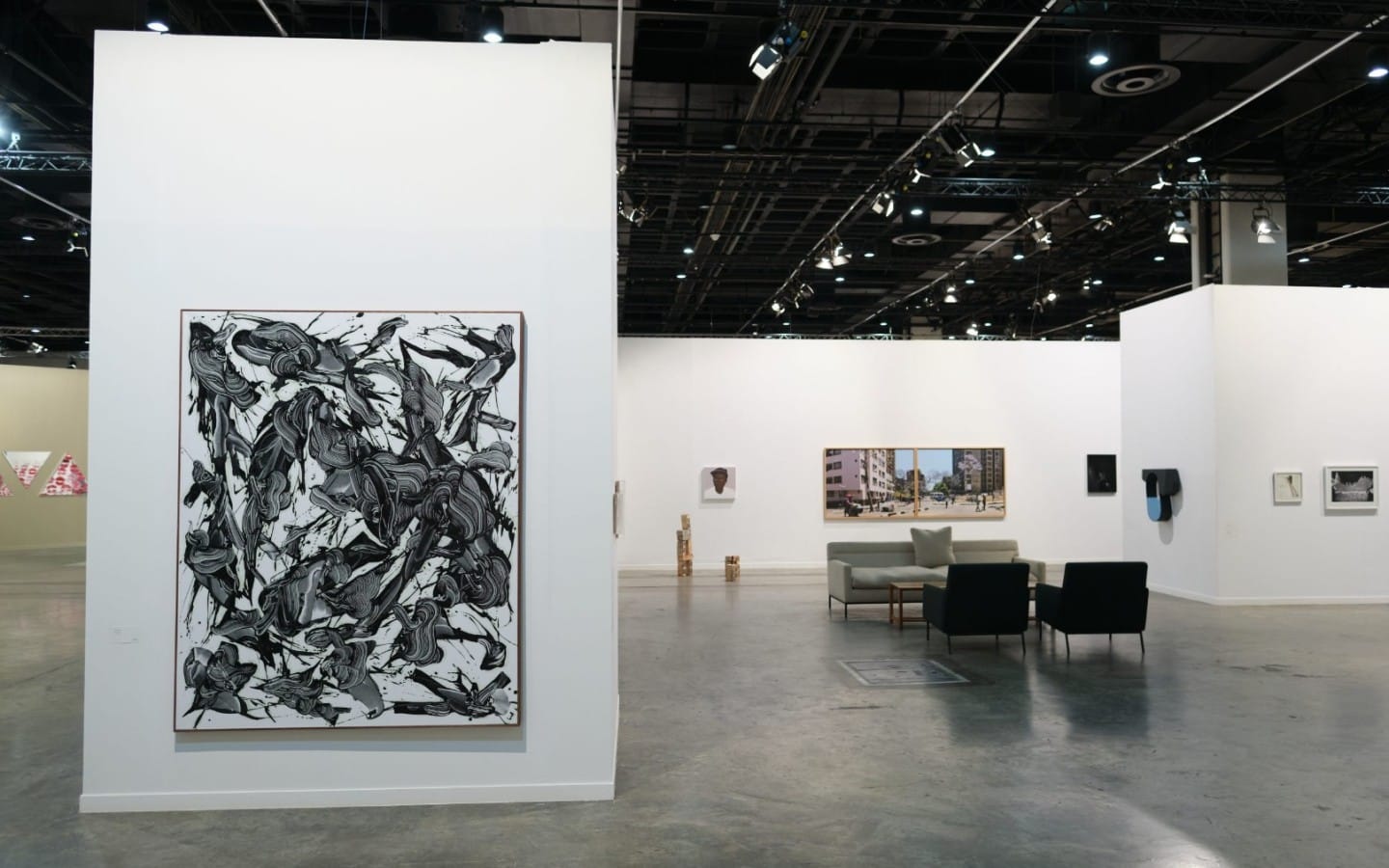
For collectors, the fair offered a direct dialogue with galleries. It felt intimate; an opportunity to understand artworks' stories, from availability to the artistic vision behind them. As for first-time buyers, initiatives like Gallery LAB and INK provided accessible doors into the world of art collecting. Looking at editions and prints felt less daunting. It was like being guided gently into the art world. I appreciated how the fair demystified the process, making it more about discovery than commerce.
Through educational programs and initiatives such as the BMW Collectors Co., new collectors were encouraged to dive deeper into their art interests. This was not just a fair where art was bought and sold. It opened dialogues about the provenance of pieces, the stories behind artists, and the importance of institutional recognition. These conversations deepened the experience, offering both novices and veteran collectors a chance to enrich their understanding of the African art landscape.
Arriving and Navigating Johannesburg
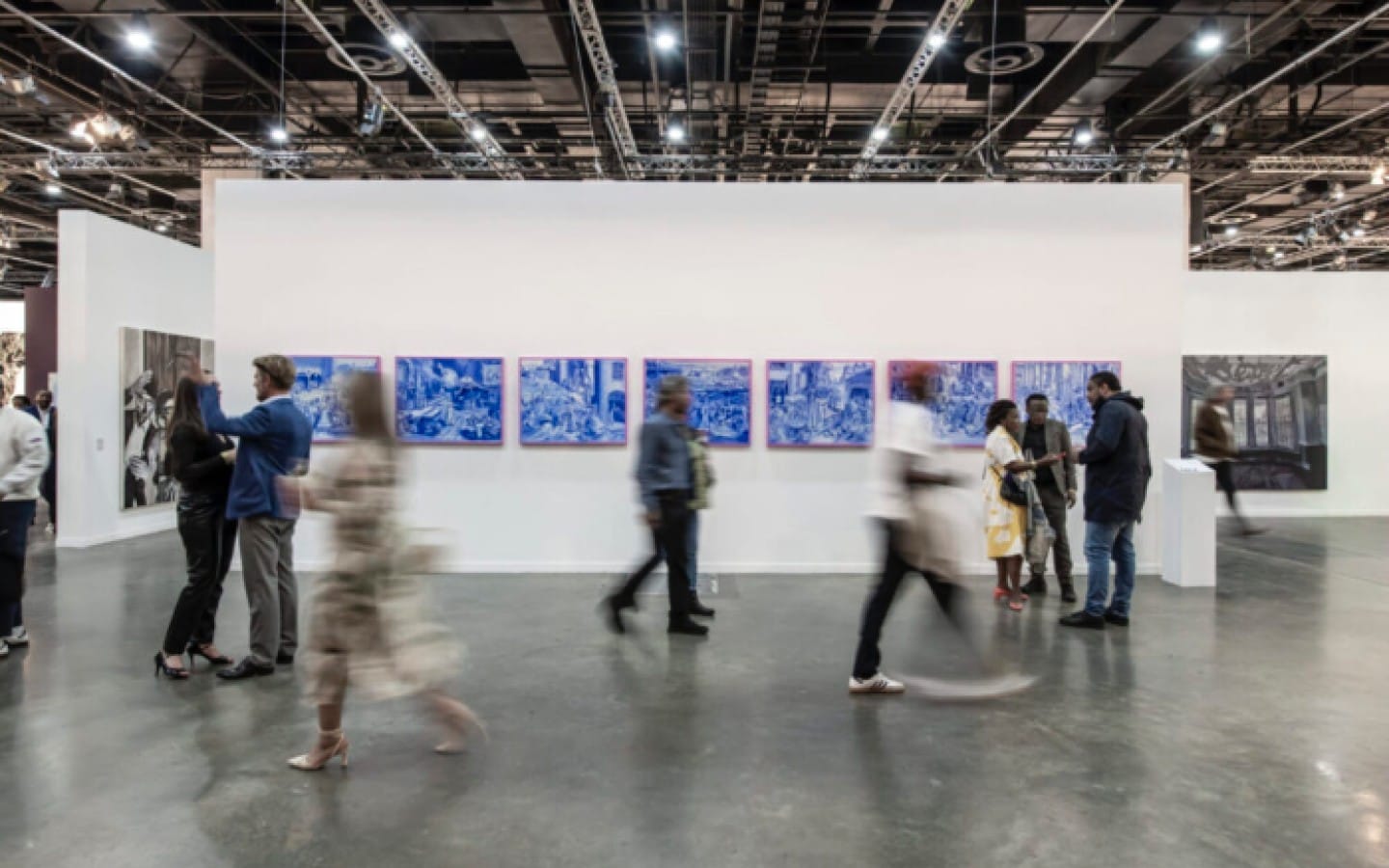
The Sandton Convention Centre is easy to find. It's right in the business heart of Johannesburg, surrounded by conveniences like hotels and restaurants. Getting there was straightforward. The Gautrain from O.R. Tambo International Airport made the journey hassle-free. And yes, parking was available for those who opted for taxis or rideshares. Personally, staying in Sandton worked out fine for me, but I've heard great things about Rosebank too, with its vibrant gallery scene.
The Gautrain proved reliable and efficient, offering quick and comfortable rides not just from the airport but around major hubs in Johannesburg and Pretoria. For international visitors, this connectivity is a boon, making it easier to explore the city beyond the convention center's grounds. Sandton's hospitality sector is also well-equipped to handle the influx of art enthusiasts, given its location in a bustling business district.
Accommodation: More Than Just a Roof
Staying close to the action made things easier. Sandton's proximity meant less travel stress, plus it was a short walk to many eateries and shops. For those seeking more art engagement, Rosebank's galleries and cultural spaces are only a Gautrain stop away and offer a charming alternative. I found Illovo fascinating with its boutique accommodations, and Melrose seemed perfect for those keen on dining and exploring northern parts of the city.
Each neighborhood had its flavor, catering to different tastes and interests. Rosebank, with its artistic emphasis, was a vibrant place for art lovers looking to soak up more than just the fair, while Illovo and Melrose offered quieter escapes with a focus on culinary and boutique experiences. Planning where to stay based on one's itinerary can enhance the overall visit, especially if attending citywide programs like Open City or late-night events.
Keeping the Art Beat Alive Post-Fair
While the fair was a whirlwind, it didn't stop there. Open City, which ran longer, kept the city's artistic veins pulsing. From exhibitions to performances, there was never a dull moment. If you're planning for the evening events or openings spread around Johannesburg, consider booking your transportation in advance. The city, vibrant as it is, can be sprawling, so it's good to plan.
Open City expanded the fair’s influence across different neighborhoods, linking visual art with music, food, fashion, and workshops. This program reflected Johannesburg’s ambition to become a cultural capital beyond just the dates of the art fair. It was heartening to see how art weaved through everyday urban life, transforming the city into a dynamic stage for creative expression.
The Long Legacy of FNB Art Joburg
This fair isn't new to the continent. Over nineteen iterations, it has grown, emphasizing the art narrative from Africa's perspective. Johannesburg, with its mix of finance and culture, provides a backdrop that combines history with modern artistic discourse. Here, African artists are at the center. It's a reminder that while global venues feature them, the grounding of such art in Africa itself brings new dimensions.
The specialized sections of the fair reflected an art ecosystem that thrives beyond just transactions. Universities, experimental spaces, and non-profit organizations showcase the interplay of academia, research, and creative practice in shaping the global art narrative. It’s about who represents African art and how it’s collected and contextualized within and outside Africa.
Making the Most of the Visit
At the fair, allocating at least several hours is key. Starting with the Gallery HUB offered insights into established galleries, a contrast to newer practices I found in Gallery LAB. INK was a delightful surprise, teaching me about the artistic process through prints and publications. ORG and AUX sections illuminated the broader debates that influence the art scene. Dive deep, talk to exhibitors, and don't shy away from asking about logistics if you're purchasing.
Each section of the fair provided a peek into the art world’s various facets, from the basics of art collecting to the deeper cultural conversations that shape the works. It’s important to not just look for the next big name, but to engage with the diverse narratives and histories presented. Speaking with different galleries from across the continent can unearth how local realities and global influences sculpt artistic practices.
Taking Away More Than Art
My visit emphasized how essential it is to engage beyond just buying art. Conversations with galleries, examining how different artists respond to their local contexts, brought this realization. Contemporary African art isn't a single movement. Its richness lies in its diversity, and that's what makes fairs like this invaluable. Johannesburg's dynamic cityscape gave the entire event a vibrant backdrop, injecting energy into the artworks across the fair. It wasn’t just an art event; it was a crash course in the complexities and beauty of contemporary African narratives.
Claire Bennett for ArtexpoWorld.com