Gwangju Biennale 2026
Visit Gwangju Biennale 2026 for transformative art in South Korea, exploring themes of change and civic history.

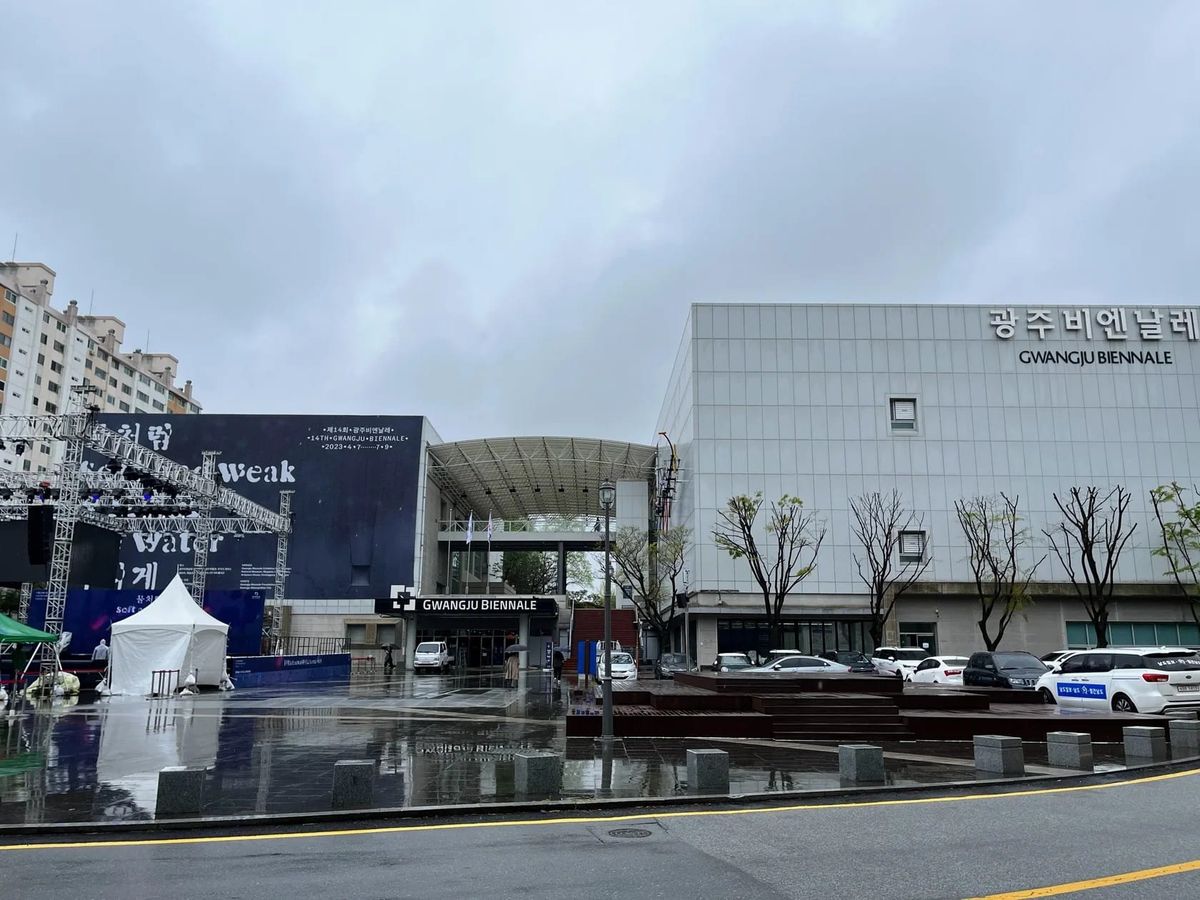
I recently had the opportunity to visit the Gwangju Biennale 2026, a gathering of contemporary art in South Korea that truly lives up to its bold name, "You must change your life." Borrowed from a line in Rainer Maria Rilke’s poem, this title sets the tone for an exhibition that challenges its audience to reconsider how we engage with art and the world around us. Running from September 5 to November 15, 2026, at the Gwangju Biennale Exhibition Hall, the event not only showcases art but also probes its capacity to inspire societal change.
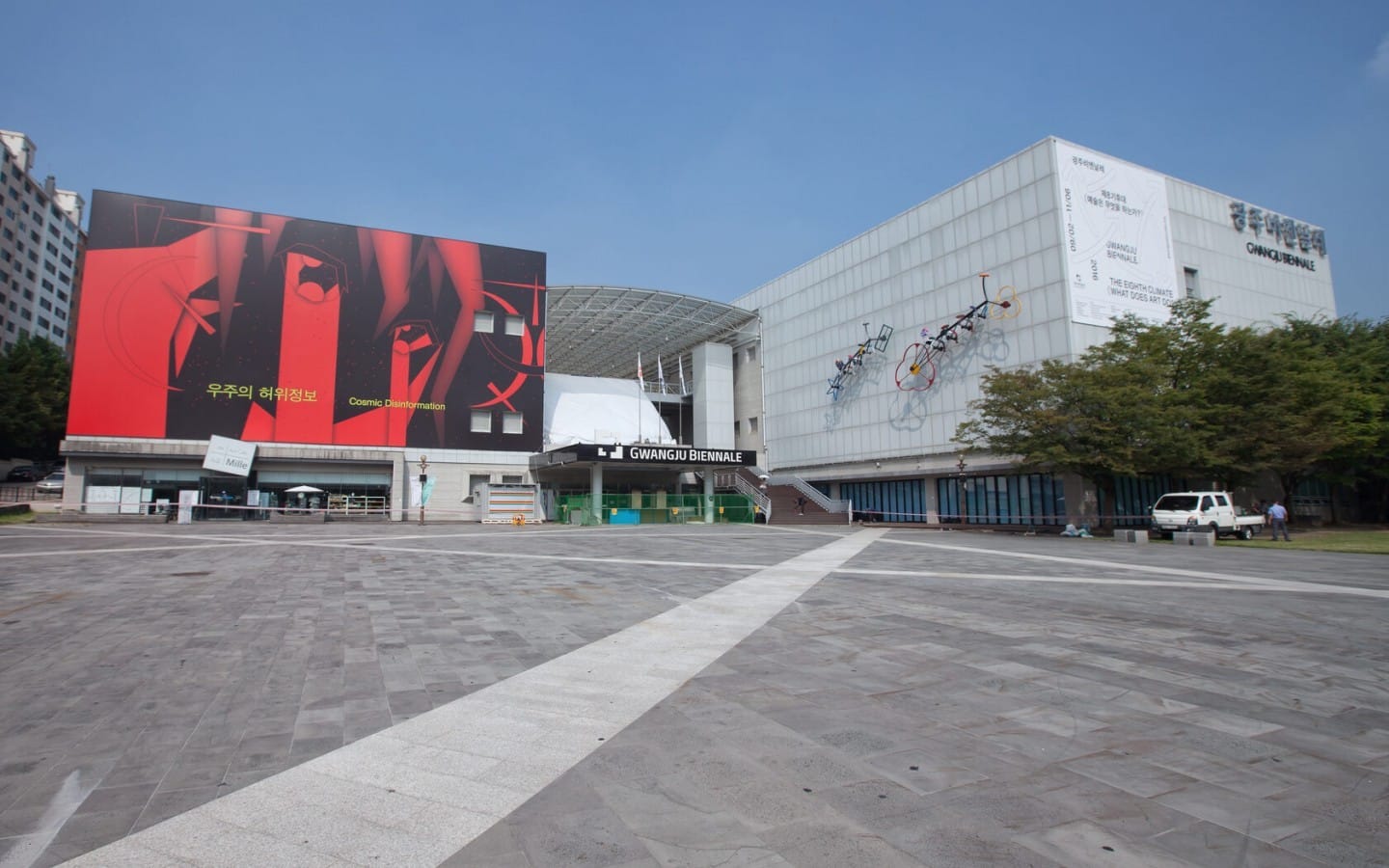
A Deep Connection Between Art and Society
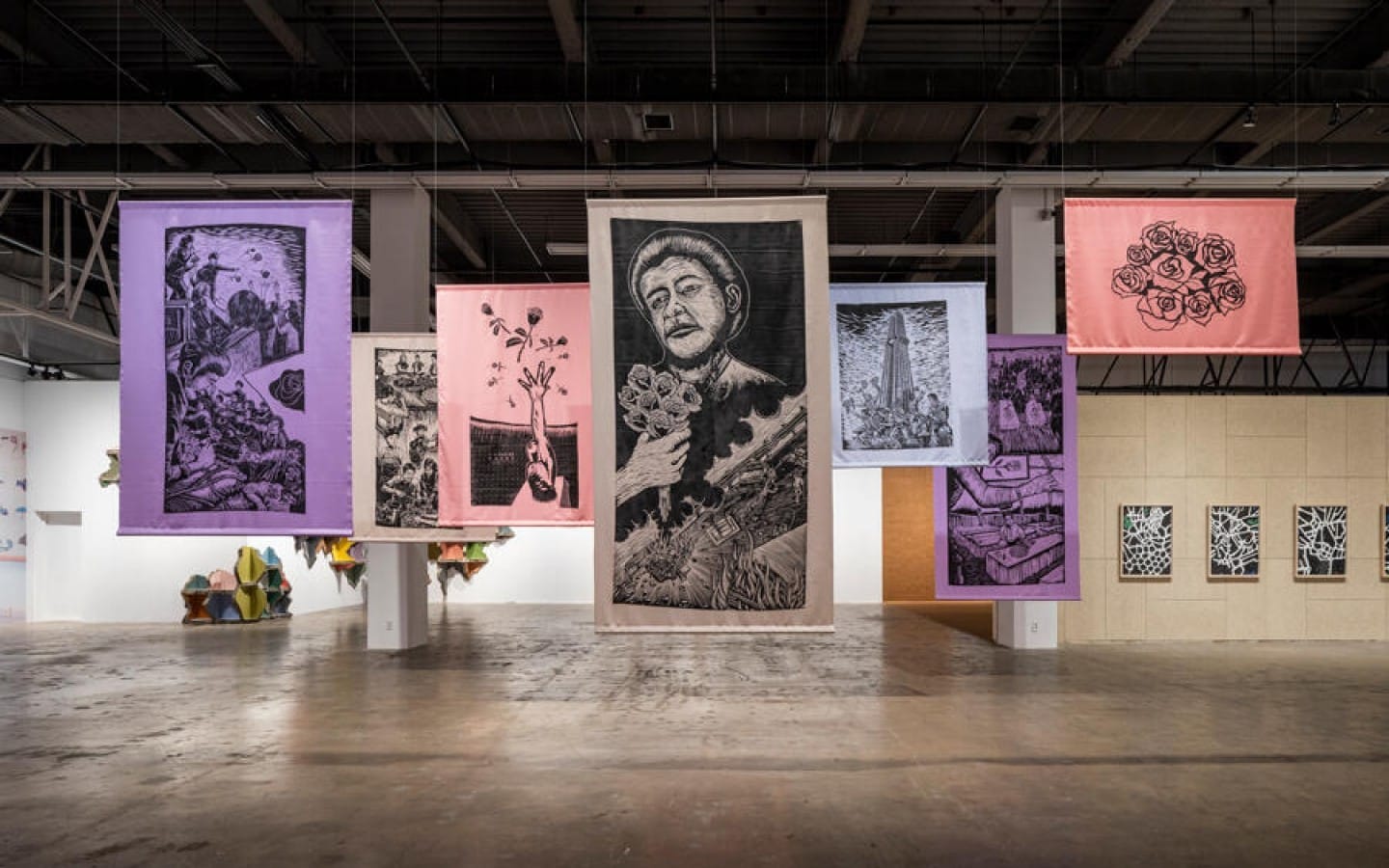
The biennale's theme explores art as a catalyst for transformation. This topic feels particularly resonant in Gwangju, a city known for its profound history of democratic struggle. The exhibition poses pressing questions about art's potential to alter perception, influence memory, and encourage active civic responsibility. Led by Artistic Director Ho Tzu Nyen and curated by Che Kyongfa, Park Gahee, and Brian Kuan Wood, this 16th edition highlights Gwangju as a pivotal venue for contemporary art and international dialogue. It connects history with the present in a way that's rare and thought-provoking. The Biennale doesn’t merely present art; it demands a response, encouraging viewers to think about what art asks from society.
Why Gwangju Biennale 2026 Stands Out
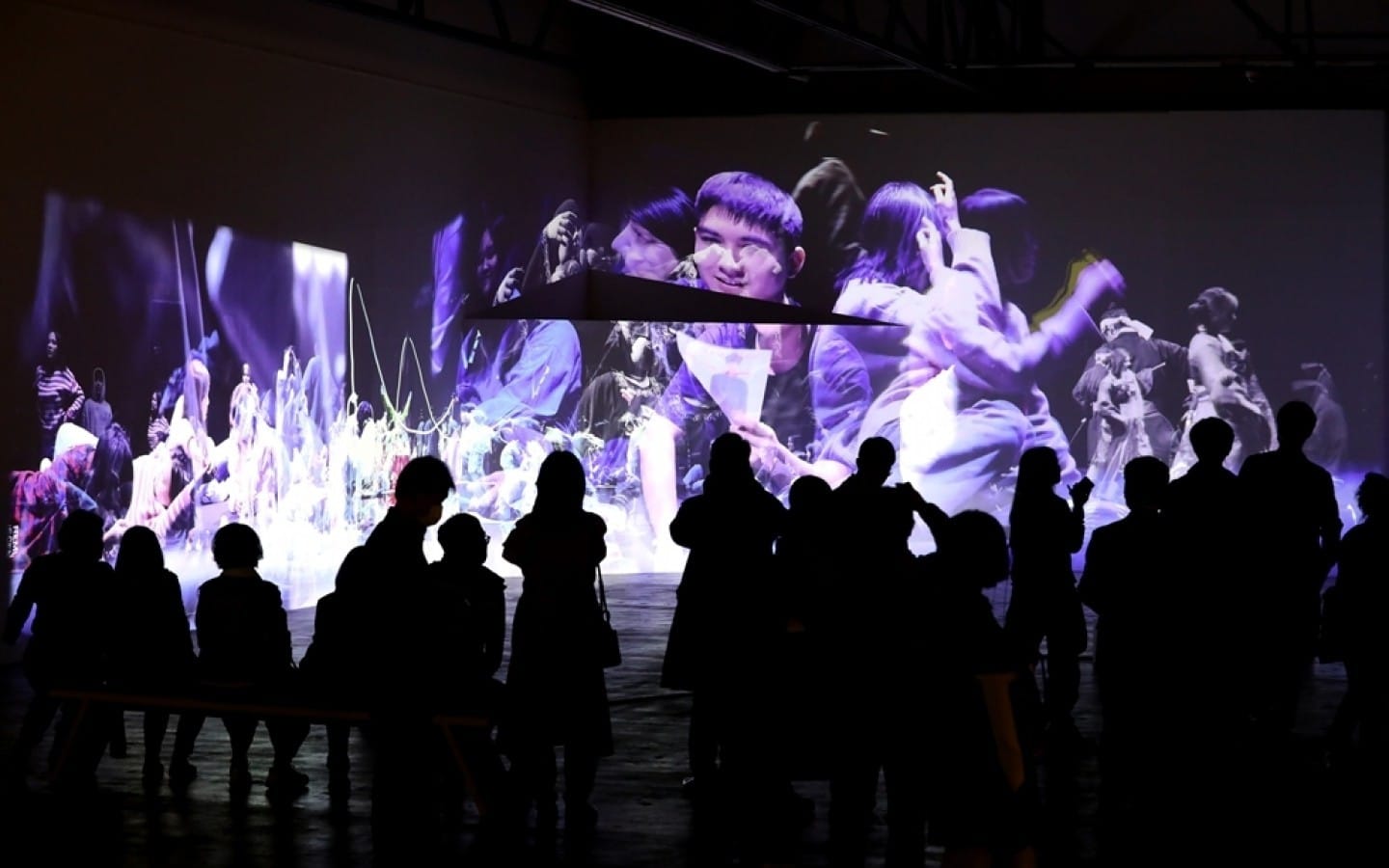
My visit to the Gwangju Biennale 2026 was an enriching experience steeped in deep intellectual context. It's refreshing to explore art that extends beyond the conventional Western-centric narrative. This biennale presents a platform where artists and ideas challenge the status quo, forging a richer global art conversation. For those venturing beyond Seoul, Gwangju offers a different side of South Korean culture. It's a chance to delve into its enduring democratic spirit, local culture, and identity, which all beautifully echo the city's culinary and artistic tapestry. For anyone interested in politically engaged art, the biennale's focus on lived change rather than mere slogans offers a profoundly meaningful exploration.
Traveling to Gwangju
Reaching Gwangju is straightforward with several options available. While visiting, I found the KTX high-speed train from Seoul efficient and comfortable. It arrives at Gwangju-Songjeong Station, from where local taxis or buses make it easy to reach the biennale venue. Although Gwangju does have its own airport serving domestic routes, international visitors typically transition through Seoul before heading further south. The exhibition hall itself is a significant cultural hub, so make sure to familiarize yourself with local transport systems and plan your schedule accordingly. It's wise to allow ample transit time given the city's expansive layout.
Where to Stay During Your Visit
Choosing central Gwangju for accommodation can enhance the well-rounded experience the biennale offers. Not only is it convenient for travel to and from the exhibition, but it also places you near a concentration of local eateries, coffee shops, and cultural points of interest. I stayed near Gwangju-Songjeong Station for easy train access, but those wanting to soak up more of the city’s distinctive cultural vibe might consider lodging closer to downtown districts. Given the biennale's international draw, I suggest booking your accommodations well ahead of your visit. Whether you're a cultural traveler or an art lover, the synergy between Gwangju's vibrant neighborhoods and the biennale can’t be missed.
The Gwangju Biennale's Historical Roots
First held in 1995, the Gwangju Biennale has become a cornerstone of Asian contemporary art exhibitions. Its ongoing dialogue connects artistic expression with South Korea's political backdrop, particularly the weighty memory of the 1980 Gwangju Uprising. This year's theme, "You must change your life," feels particularly poignant against this historical landscape, urging viewers to consider how art can provoke thought and demand ethical and social responsiveness. The biennale draws deeply from Gwangju's identity as a city of resistance, ensuring that art remains intertwined with its cultural and historical narrative.
Tips for Making the Most of Your Visit
If you're planning to visit the biennale, do allocate a full day to immerse yourself in the main exhibits. The depth and complexity of the works presented benefit from time spent reflecting and revisiting pieces that resonate. Before heading there, glance at the official biennale website for any last-minute updates on schedules, artist lists, and public events. Gwangju’s rich past is woven into the exhibition, so visiting sites like the May 18th National Cemetery can enrich your understanding. Additionally, watching out for public talks or curator-led tours can complement the exhibition experience, offering insights you might not gain from the artworks alone.
The Gwangju Biennale's Unique Impact
Don't go to Gwangju Biennale solely for the artworks. Go for the way it marries art with its setting — its persistent and meaningful dialogue with Gwangju’s historical narrative. The theme, "You must change your life," asks you to engage with art as an active participant in change rather than a passive observer. In doing so, it challenges visitors to embrace discomfort and reconsider their place in the world around them. The exhibition isn't just a display; it's an invitation to dialogue, making the experience compelling and relevant.
The Significance of Gwangju Biennale 2026
The 2026 biennale stands as a tribute to change in its most honest and challenging form. In Gwangju, transformation isn't an abstract concept. It's a lived reality, embedded in the city's identity. This edition of the Gwangju Biennale successfully links contemporary art with memories and questions about society, making it an essential experience for those interested in art that seeks to not just inform but transform. Under the guidance of Ho Tzu Nyen, known for his work on the themes of history and Asian modernity, the exhibition delivers a powerful reminder of art's potential for prompting life-altering change. It’s a rare chance to see art demand more from its audience, urging reflections on how we might change our lives in response.
Claire Bennett for ArtexpoWorld.com