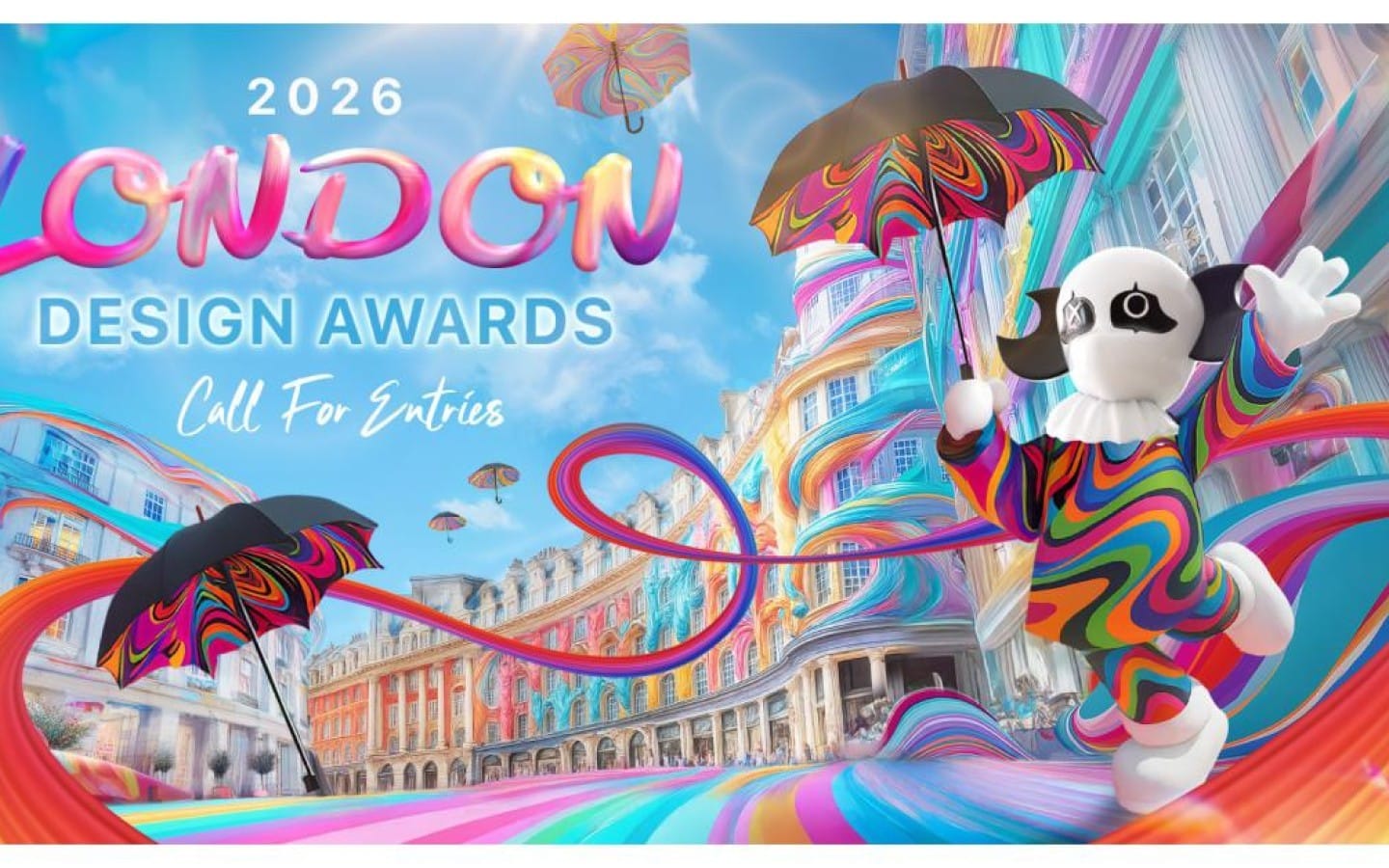
London Design Festival 2026
Exploring visionary design at London Design Festival 2026. Discover how the city transforms into a hub of innovation, sustainability, and collaboration.


During my recent visit, the London Design Festival 2026 stood out as a remarkable celebration of creativity and forward-thinking. This event spans an entire month, filling London with vibrant installations, thought-provoking talks, and innovative exhibitions that spotlight the cutting-edge of design. Hosted across various key districts like South Kensington, Shoreditch, and Chelsea, each area seemed to echo with a distinct energy, turning the city itself into a tapestry of ideas and possibilities.
Exploring a City as a Canvas
The festival transforms London into a living lab of modern design. Strolling through the different neighborhoods felt like walking through chapters of a book that reveals the narrative of our future spaces and interactions. You can see how design challenges and reimagines the way we live, move, and think about our environment. It's a space where innovation isn't just showcased, it's lived and breathed. The diverse settings also add different flavors to the experience. King’s Cross offered dynamic displays that seemed to call for interaction, while Chelsea presented quieter, reflective pieces that invited contemplation. South Kensington, with its concentration of museums, added an educational layer, encouraging visitors to connect history with the present. Shoreditch, known for its edgy art scene, was buzzing with avant-garde installations that pushed traditional boundaries. The Design District at Greenwich Peninsula introduced futuristic concepts, making you ponder over how urban spaces will evolve.
Why the Festival Stands Out
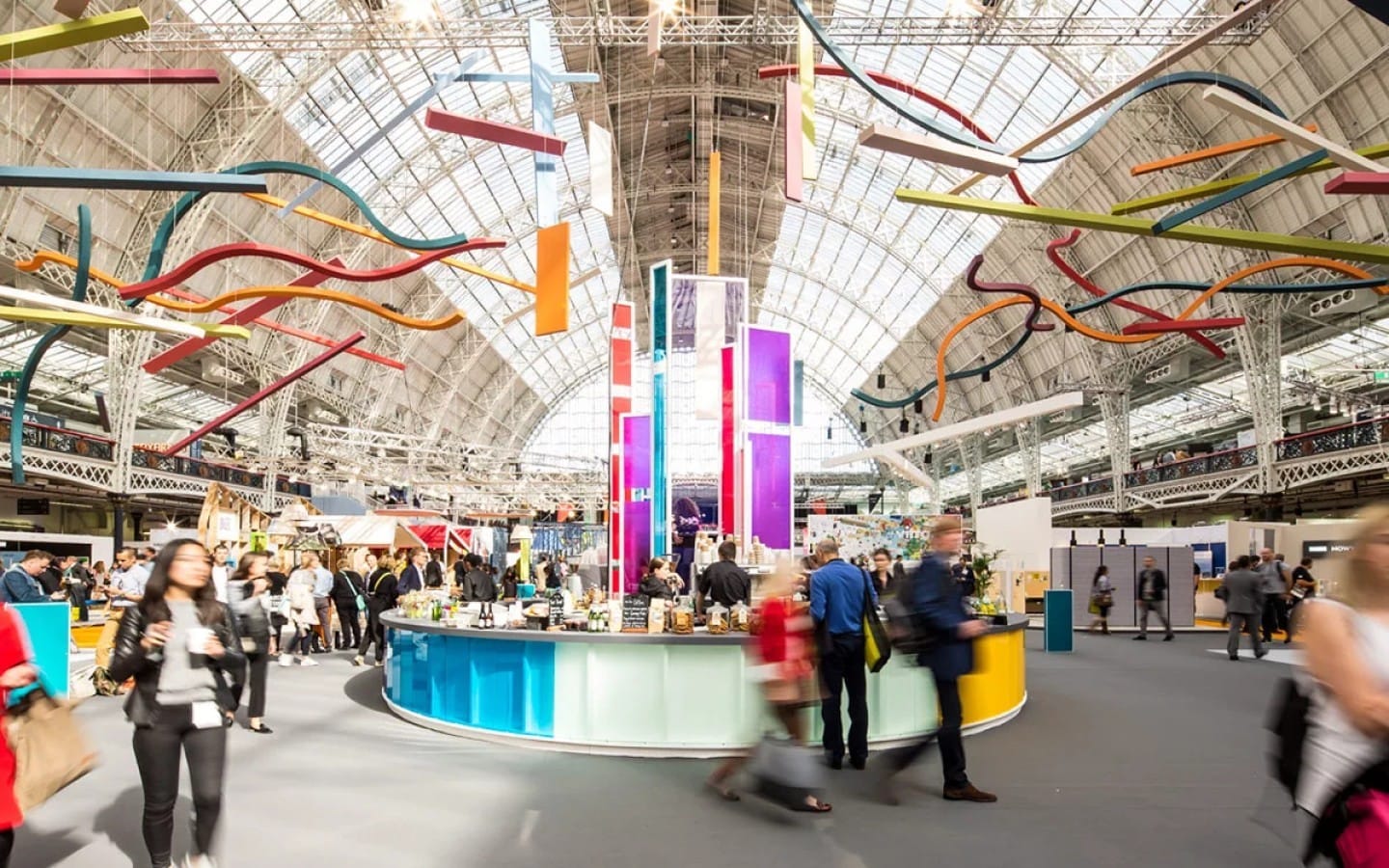
One of the most compelling reasons to dive into the London Design Festival is the chance to see world-class design in action throughout a storied city. You get to explore ideas that are still bubbling under the surface, straight from the minds of those who shape tomorrow. Workshops and panels brought together leading and upcoming designers, fostering dialogues on sustainability and the digital age. These discussions didn’t only dwell on design aesthetics but also delved into broader social issues, such as climate responsibility and technology's role in society. The holistic approach the festival takes prompts you to experience London from a fresh perspective, blending cultural immersion with design insight. This year, the emphasis on cross-disciplinary collaboration was clear, illustrating how design intersects with technology, science, and even philosophy to create a more sustainable and inclusive world.
Navigating the Festival
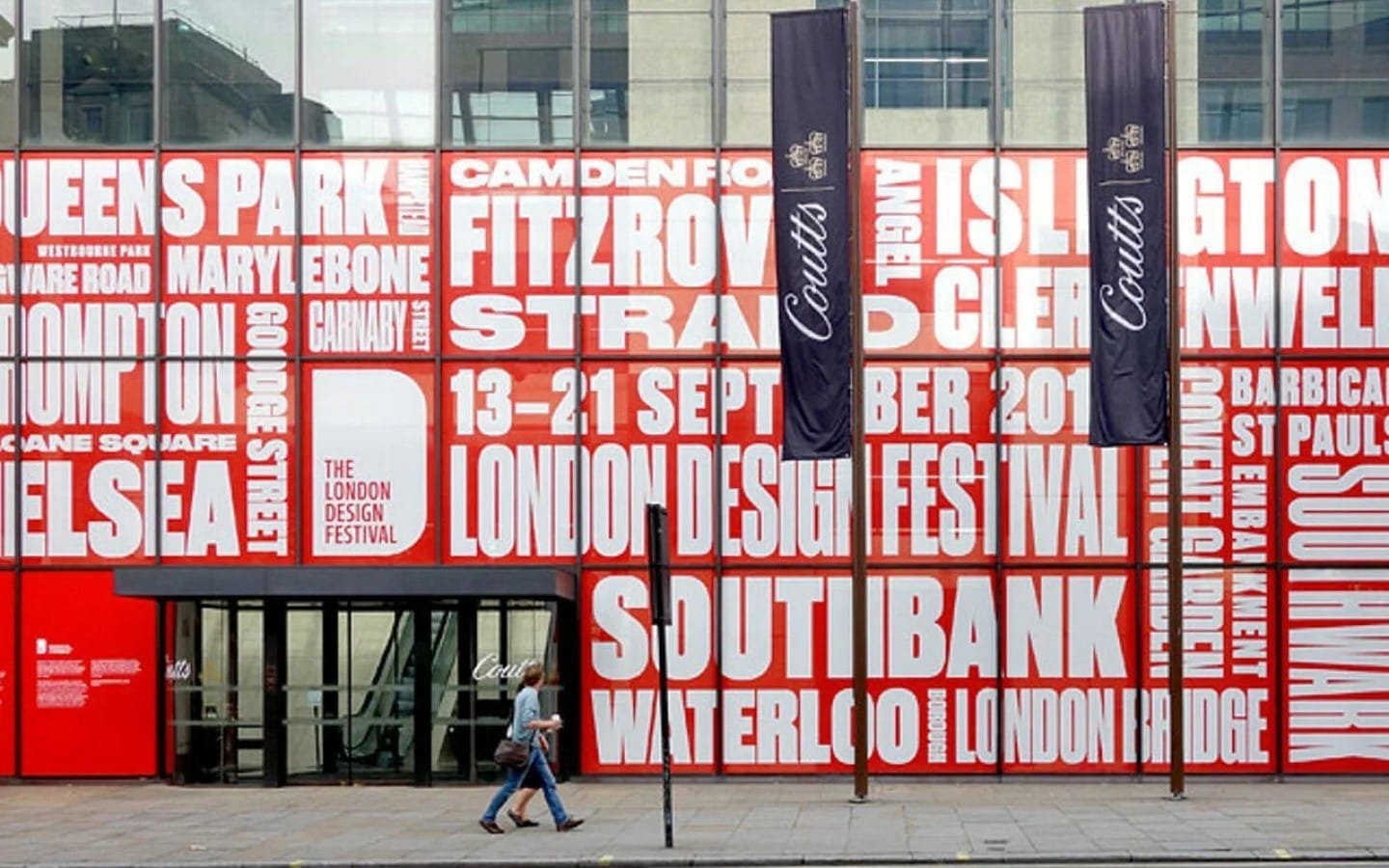
Getting around during the festival is easy, thanks in large part to London’s impressive public transport system. Trains, buses, and the iconic Underground link all the main districts, ensuring you can stay flexible and spontaneous in your plans. Walking between sites in central London was a delight, offering not only the chance to view installations up close but also moments of serendipity as unexpected exhibits popped up along the way. The city itself becomes part of the experience. For those keen on reducing their carbon footprint, cycling offers an eco-friendly alternative, allowing you to absorb the festival’s richness at a leisurely pace.
Stay Updated with Exhibitions
Keeping up with the festival's schedule is a breeze if you're plugged into social media channels for updates. While I was navigating different events, following the festival on platforms like X helped ensure I didn’t miss out on new installations or pop-up talks that weren’t on the original schedule. This digital engagement made the experience more interactive, allowing visitors to share recommendations and insights in real-time. Joining official festival groups or subscribing to mailing lists provided an additional way to stay in the loop, offering updates on changing schedules and emerging designers to watch. Being tuned into these platforms can also offer a behind-the-scenes look at the creative processes of some highlighted designers—adding depth to the viewing experience.
A Bit of History and Its Impact
Since its inception in 2003, the London Design Festival has cemented its importance in the global design calendar. The event doesn't just reflect current trends—it often directs them. The discussions and exhibits prove time and again that design isn’t just about creating objects. More importantly, it’s about influencing policy and cultural narratives, highlighting how deeply interconnected design and everyday life have become. Over the years, it has showcased a relentless pursuit of innovation, positioning London as a global hub where emerging and established talents can experiment and exchange ideas. This year, the festival continued its tradition of being a breeding ground for cutting-edge concepts, challenging both participants and viewers to think about the evolving role of design in tackling pressing global challenges like resource scarcity and social inequality.
Making the Most of Your Visit
A bit of pre-planning goes a long way at the festival. I found it helpful to map out a rough itinerary by district, which allowed me to not only cover larger events but also stumble upon smaller, lesser-known exhibitions. Booking talks and workshops in advance is vital, yet I tried to remain flexible, ready to deviate from plans and explore unexpected pathways that the festival offered. Allocating time for spontaneous discoveries led to some of the most memorable experiences, such as uncovering a small gallery hosting an experimental showcase or catching an impromptu street performance influenced by the festival's themes. Exploring beyond the main festival highlights to soak in district-specific characteristics enriches the overall experience, offering different lenses through which to view design's pervasive influence.
Editorial Reflection
The London Design Festival 2026 was an eye-opener. It’s not just about creating pretty things but rethinking systems—how we live, interact, and sustain ourselves responsibly. From climate issues to digital transformation, the talks pushed designers to address urgent themes. Instead of isolated creations, the festival emphasized collaboration across disciplines. It is where design shifts from luxury to necessity, proving essential for anyone wanting to grasp the evolving cultural landscape of the 21st century. It was fascinating to observe how the festival's format allowed for this shift, inviting not only industry experts but also the general public to engage actively with these concepts. The festival didn't just present answers but provoked questions, encouraging all attendees to take an active role in shaping the future through design.
Claire Bennett for ArtexpoWorld.com