Lyon Biennale 2026
Discover the intersections of art, history, and social value at Lyon Biennale 2026. A unique journey through the city's venues.

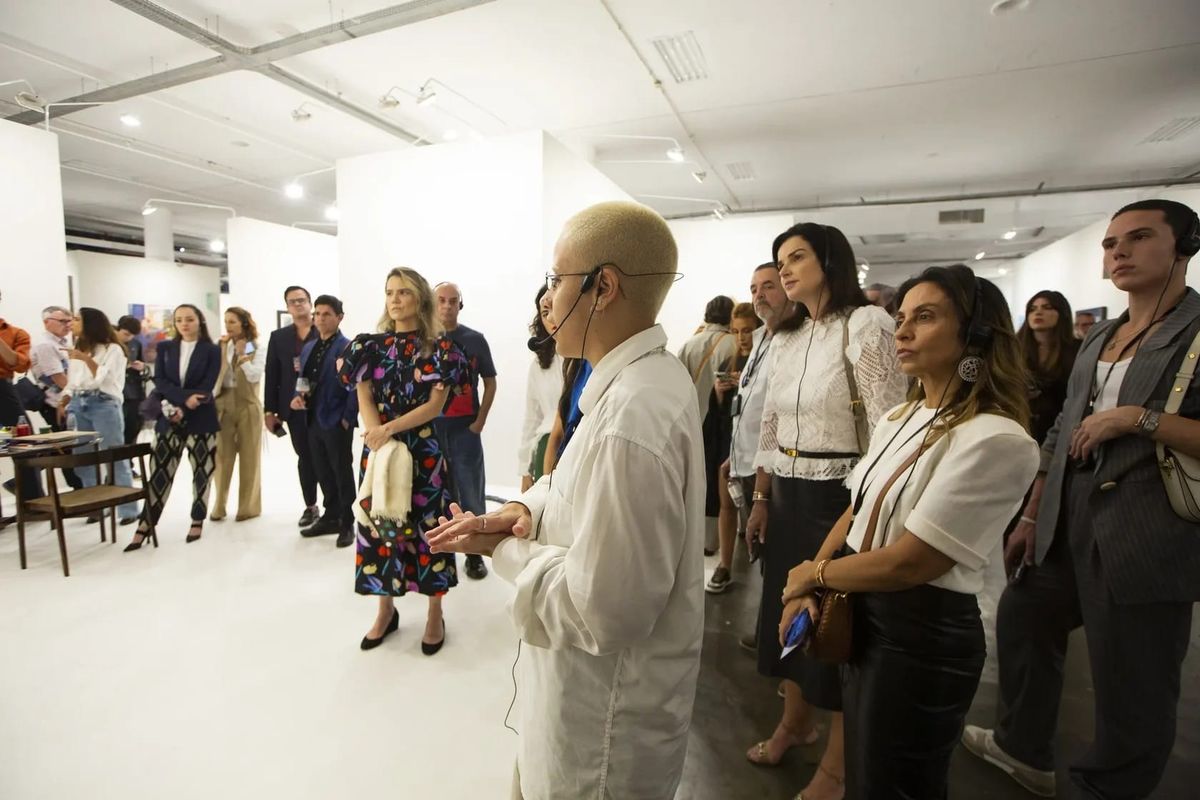
My time at the Lyon Biennale 2026 was a captivating experience. Spanning from September 19 to December 13, this biennale spread across various locations in Lyon and Greater Lyon, France, truly lived up to its theme, 'To Pass from One Dream to Another'. The city’s historical traboules inspired this year’s title, serving as a metaphor for interconnectedness, reflecting the Biennale's aim to question traditional values like profit and productivity. Instead, it focused on care, community, cultural heritage, and environmental stewardship. This marriage between Lyon’s industrial past and the art world felt natural and insightful.
Why the Biennale Stands Out
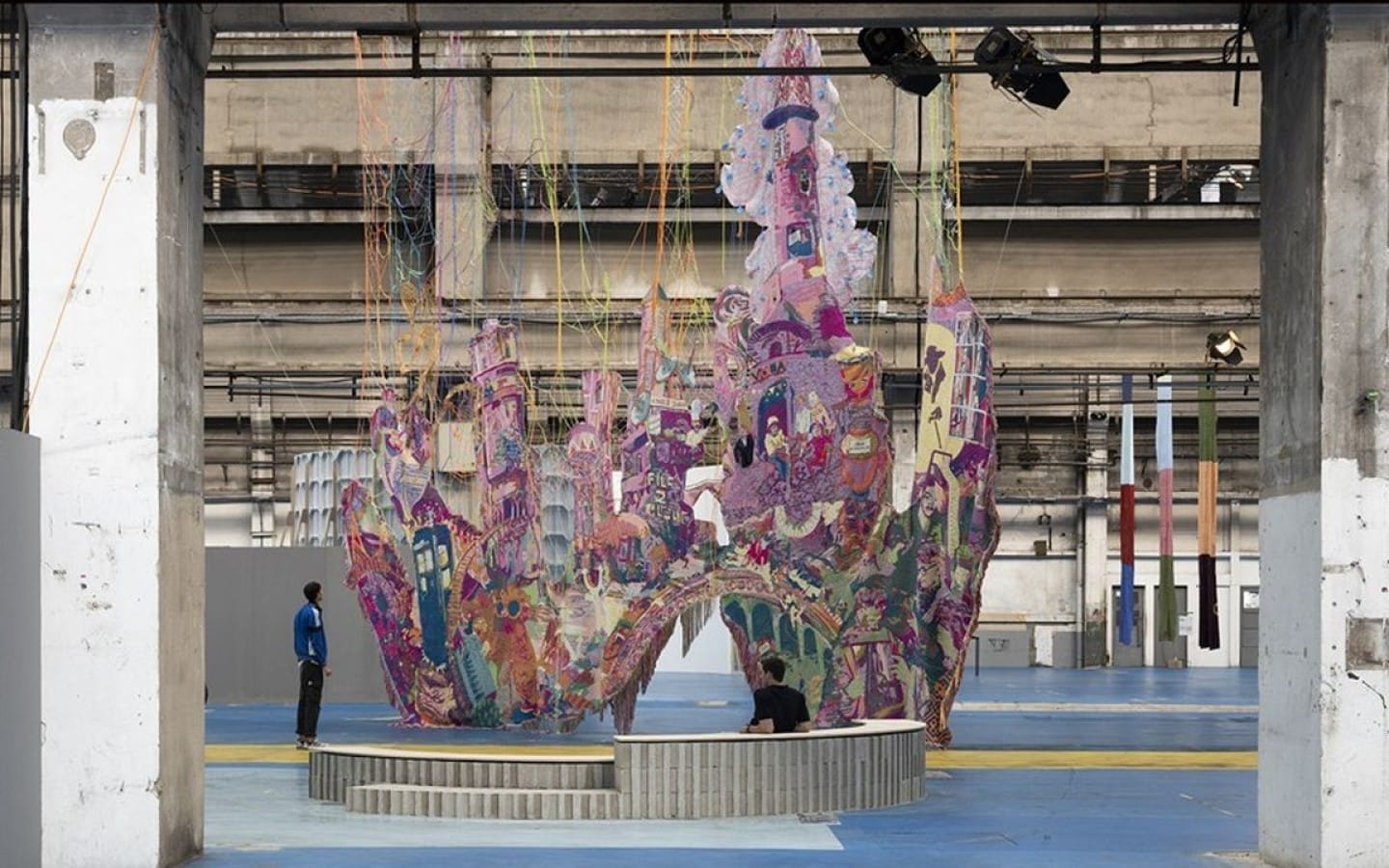
The Lyon Biennale is unique because it blends local culture and history with global contemporary art. As I wandered through the city, from the industrial vibe of La Mulatière to the elegant Musée des Tissus, I found myself immerged in Lyon’s historical narrative. The cityscape became a part of the artwork, not just a backdrop. Its mission was clear, questioning the notion of value grounded only in economic terms while highlighting human connections and cultural memories. Art professionals would find much to admire here, from fresh artistic perspectives to innovative expressions by emerging talents.
Cultural travelers will also appreciate how the Biennale ties together Lyon’s rich history in silk and commerce with cutting-edge art. Walking through the different districts felt like a curated tour of Lyon itself, each step accompanied by artistic commentary on the city's economic and social development. The exploration doesn’t just enhance one’s understanding of art but also offers a substantive connection with the city's identity.
Traveling to Lyon Made Easy
Getting to Lyon was straightforward. The city is well-connected with high-speed trains from major European cities like Paris and Geneva. Most trains arrive at either Part-Dieu or Perrache, making it easy to reach the venues. For those flying, the Lyon-Saint Exupéry Airport is a convenient entry point, with connections right into the city center via tram or other transport options.
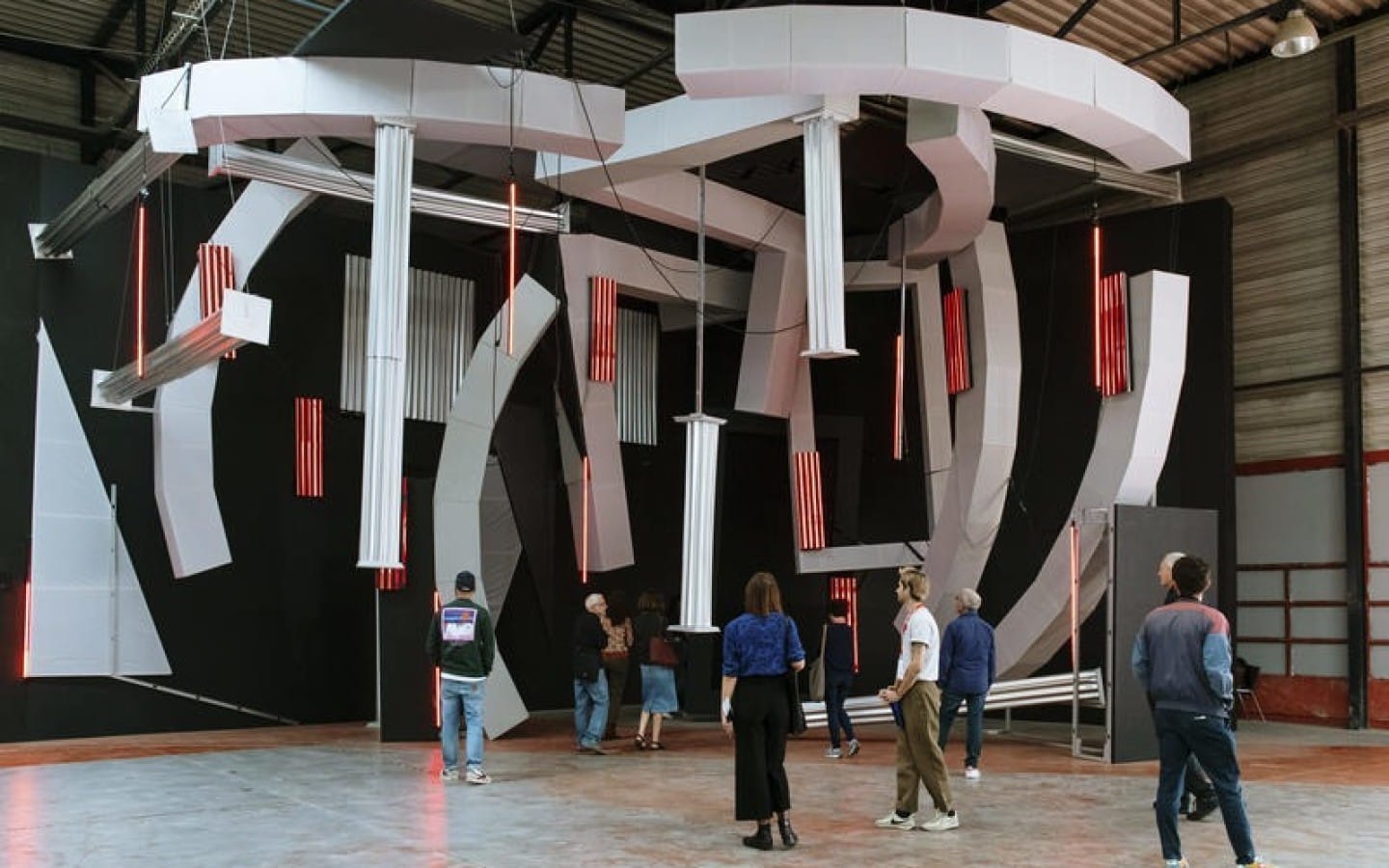
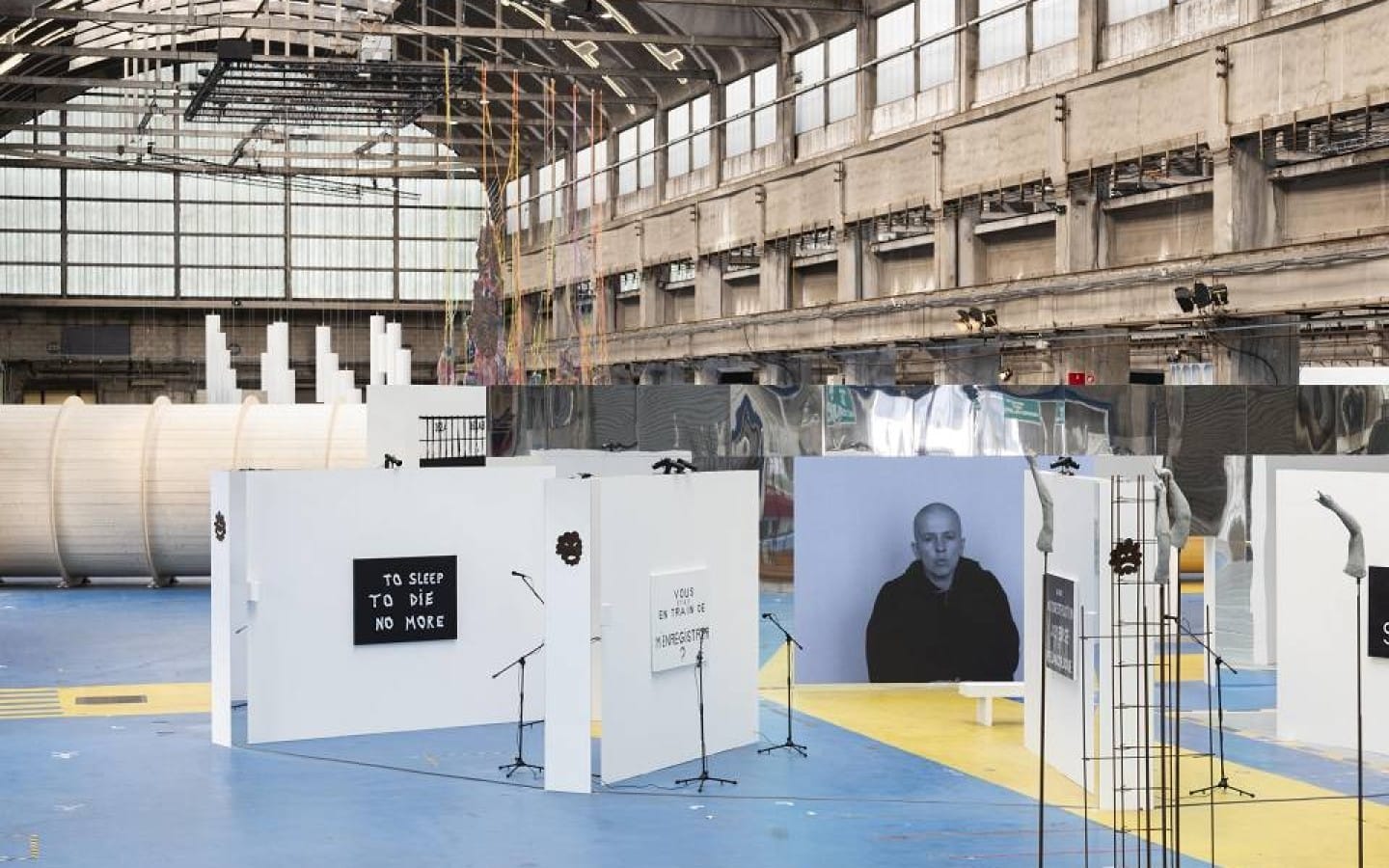
The Biennale’s major venues were spread out, each offering its own unique character. Les Grandes Locos, where I began my visit, is accessible via Metro Line B, followed by a short walk from Gare d’Oullins. This sprawling industrial hall suited larger installations. Musée des Tissus is ideally placed near Ampère–Victor Hugo, offering a journey into the historical context of textiles. Meanwhile, macLYON sits conveniently in the Cité Internationale, surrounded by contemporary architecture. It's wise to map out which sites are near each other to maximize your time efficiently, as these areas reflect the diversity of artistic themes explored in the biennale.
Rest Your Weary Feet
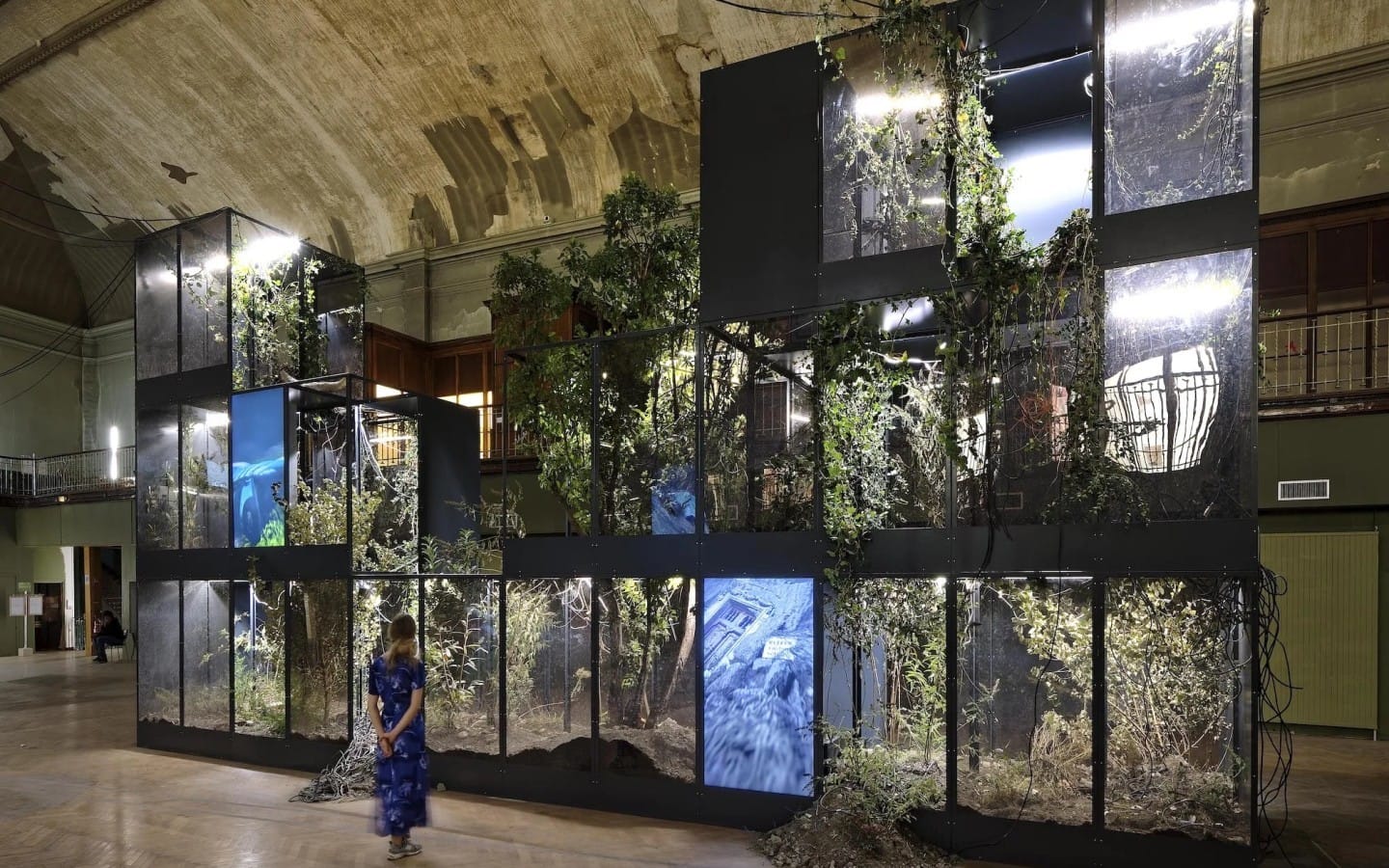
Finding a suitable base in Lyon wasn’t difficult. For first-timers, the Presqu’île area is buzzing with life, complete with restaurants, historic sites, and excellent transport links. Staying near Perrache put me within walking distance to central attractions and provided easy access to the Musée des Tissus. The accessibility here offers a chance to conveniently dip into the rhythm of the city.
For those with a passion for the textile history, which deeply influences the biennale, Croix-Rousse is a dream. This district brims with the city's vibrant past, offering historic traboules and a charming neighborhood atmosphere. I found that wherever you choose to stay, proximity to a metro or tramline made navigating the city's expansive layout much easier, ensuring more time enjoying the art rather than finding your way around.
A Rich History of Cultural Exchange
Lyon Biennale has a storied past that dates back to 1991, following in the footsteps of the Paris Biennale. Conceived by the then-director of Lyon’s new Museum of Contemporary Art, it has grown to become a significant fixture on the international art scene. The Biennale alternates yearly with the Dance Biennale, allowing each to shine and evolve within its own context.
In 2026, the event connects history and contemporary thought like never before. The former railway workshops and textile museum contribute meaningfully to the exhibition’s conversation about how economies impact communities, examining issues such as labor and urban history. Jeune Création Internationale remains a vital part of the Biennale, introducing fresh talent to the world stage. This year, it showcased eleven emerging artists, spotlighting both local creatives and international newcomers in a shared creative process. Projects often connected directly with community life, embarking on themes such as informal trade and the economy within neighborhoods, illustrating art's powerful role in everyday discourse.
Plan Your Visit Wisely
Having explored the Biennale thoroughly, rushing through it isn’t advisable. I dedicated two days to taking in the principal exhibits, with a third day focused on the rich programs in public spaces and the engaging Resonance events. Starting at Les Grandes Locos laid a strong foundation for grasping the industrial context of the works. Spreading visits to Musée des Tissus and macLYON over different days allowed me to savor each venue’s unique ambiance and the historical weight they carry within the city.
Public transport was invaluable. With cycling and walking between venues supplemented by reliable buses and trams, I felt connected yet relaxed. As enticing as taxis might be, they missed offering the experience of moving naturally within this art-infused city landscape. Using local passageways added a level of depth to the visit, bringing the biennale's themes of movement and connection to life.
Reflecting on the Biennale's Core
Lyon Biennale 2026 prompted me to reflect deeply on what we value as a society. The exhibition encouraged a meaningful shift away from capital-driven definitions of worth toward more human-centered values like care and collective creativity. It embraced Lyon, its storied architecture, and vibrant communities to redefine how art, history, and urban life coexist.
Experiencing the Biennale wasn’t simply about viewing art; it was about living it, questioning the familiar, and dreaming of new possibilities. An enriching endeavor for anyone, especially for those of us who believe art should challenge and enlighten, not just decorate our lives. It left me eager to see how future editions might continue this dialogue and reconnect us with the vital themes of our times.
Claire Bennett for ArtexpoWorld.com