Nikolay Pak: The Depth of Symbolic Realism
Explore the symbolic realism of Nikolay Pak, a Russian painter, through his intriguing works like "Entry into the Lords Temple."
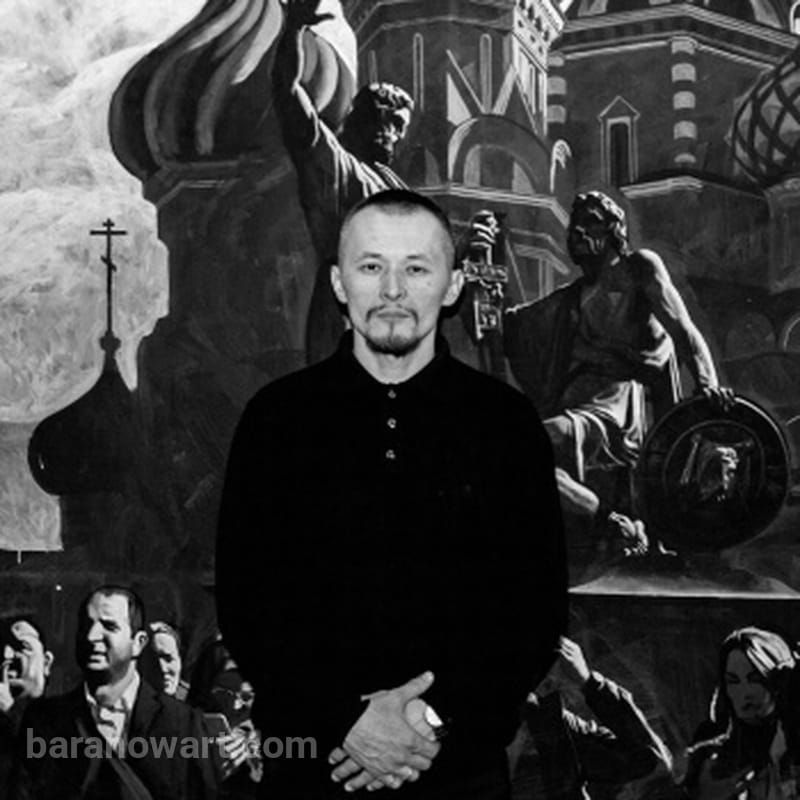
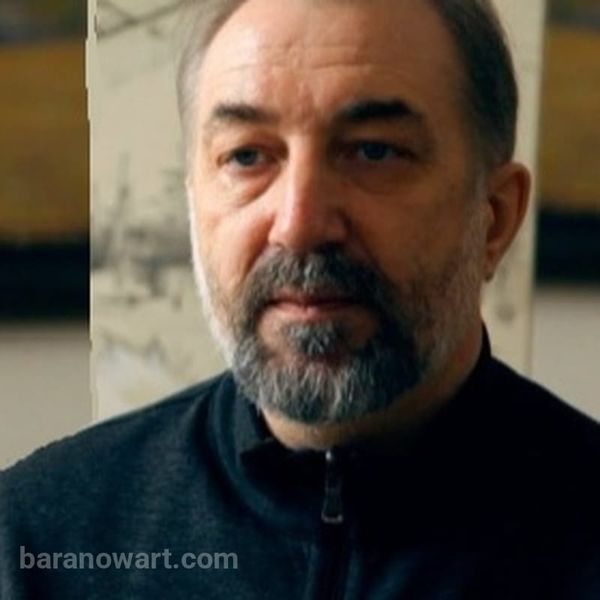
Art has a way of finding you when you least expect it. This was certainly true for me with Nikolay Pak. At first glance, his paintings might seem rooted in traditional techniques, but there's a unique twist that demands further attention. Born in 1983 in the ancient city of Bukhara, Pak now lives and works in Rostov Veliky. His journey from the historical crossroads of Central Asia to the serene landscapes of Russia seems to have shaped his nuanced approach to symbolic realism.
Pak's work captures the essence of what lies beneath the surface. What drew me was his ability to blend the everyday with the symbolic in ways that challenge the viewer's perception. His canvases are layered, both in literal and metaphorical senses, inviting you into a world of deeper meaning. It’s not just about what you see; it’s about what you feel. Let’s explore some of his works that are currently available here at Baranow Art.
"Entry into the Lords Temple": A Play with Understanding
"Entry into the Lords Temple" is one painting that commands your attention. Measuring 141x200 cm, this piece is done in acrylic. The scale alone makes it stand out, but it's Pak's technique that truly invites exploration. His brushstrokes are deliberate, creating a texture that plays with light and shadow. It's an invitation to step into a visual dialogue about faith, community, and introspection all at once.
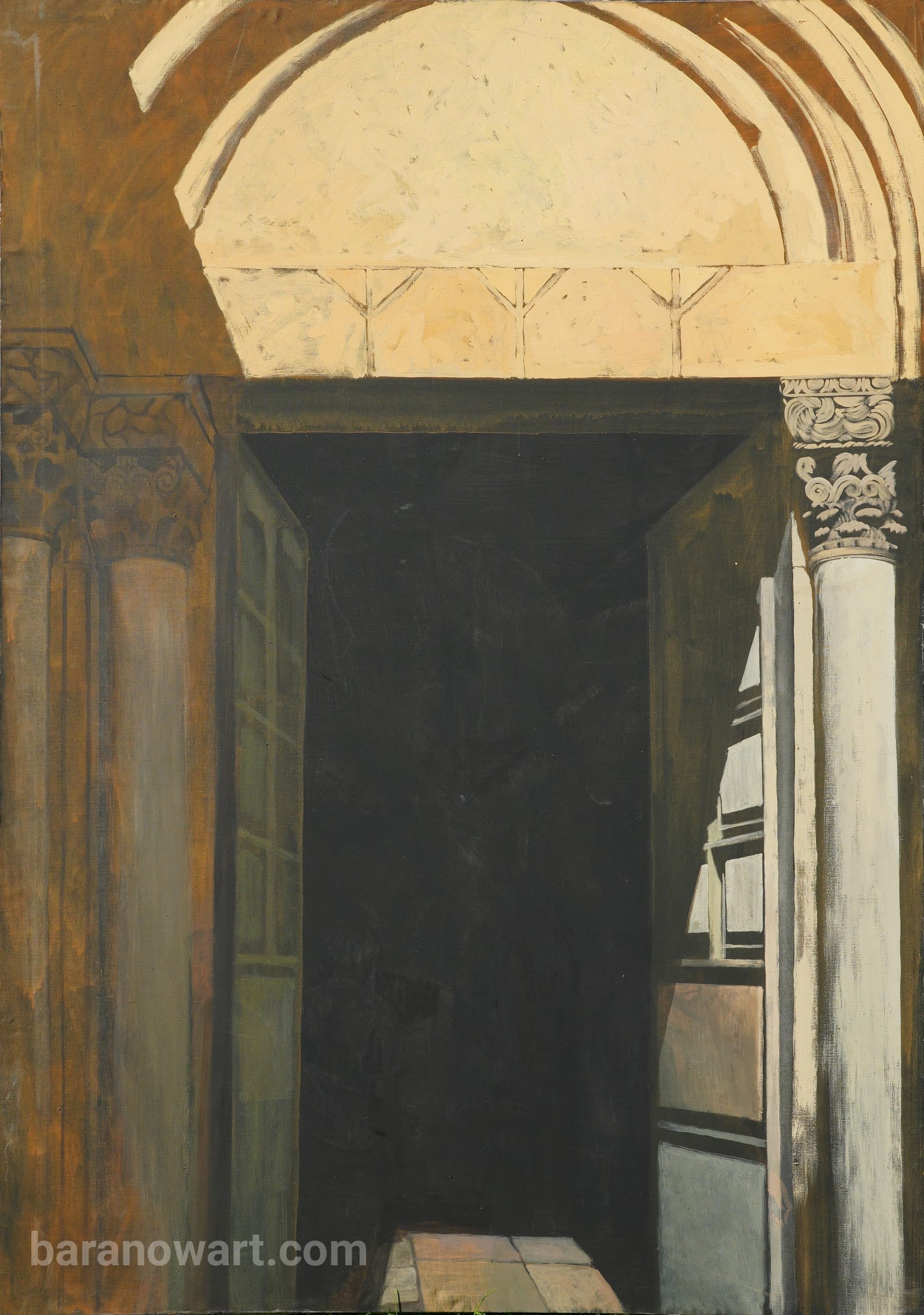
The first thing that struck me about this painting was its use of space. Pak plays with architecture in a way that draws the eye up and forward, as if leading the viewer into the painted temple itself. Yet, it's not just the grandeur that impresses; it's the intricate details of the figures populating the scene that bring it to life. These figures seem caught in a moment of profound spiritual significance, yet their expressions suggest a complex mix of anticipation, reverence, and perhaps a touch of doubt. The play of light across the temple adds to this atmosphere. He uses subtle shifts in tone to imply time passing, almost as if the scene is alive and breathing.
The blending of colors in the temple's structure also offers a lesson in Pak's skill. He layers hues to suggest shadows and depth, giving the building a three-dimensionality that you can almost walk into. This piece, available at Baranow Art, demonstrates how Pak uses minimal color variations to achieve maximum impact.
The Subtle Narrative of "Pigeons"
Nikolay Pak’s "Pigeons" uses oil on a 135x200 cm canvas to create an entirely different mood. At first sight, you might think it's just a serene snapshot of everyday life. However, spend a little more time with it, and you’ll notice a subtext filled with symbolism. The pigeons become messengers, moving between realms of reality and metaphor.
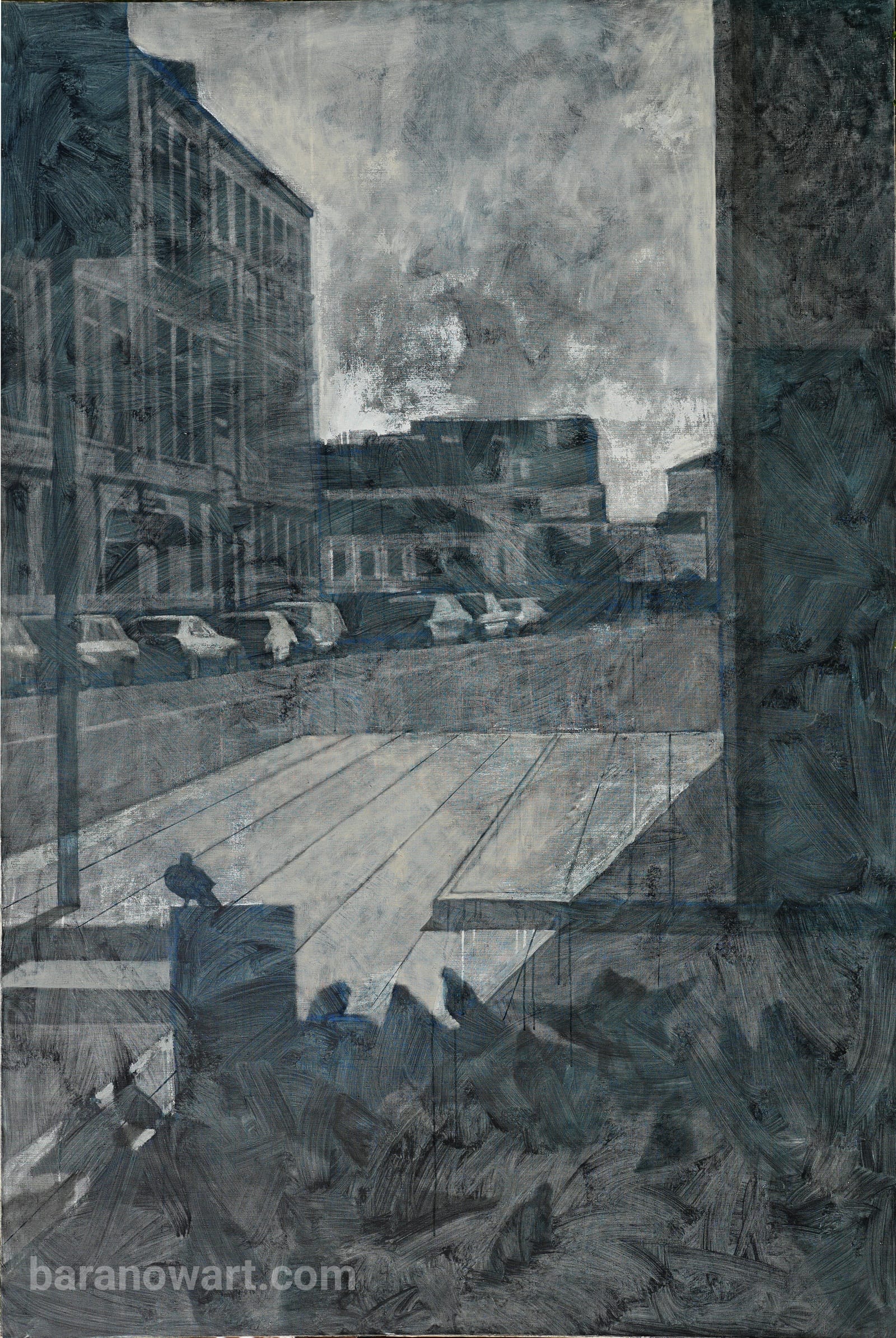
What I find engaging is the way Pak uses color to convey emotion. The muted tones provide a peaceful backdrop for the vivid, almost tactile, portrayal of the pigeons. They appear both mundane and mysterious, urging the viewer to consider their symbolic significance. Are they simply birds congregating, or are they representations of peace, community, or even vigilance? Pak’s deft use of space around these birds tells yet another story. He places them in environments that suggest stories — rooftops, plazas, or open skies — each context a potential narrative in itself. This careful placement allows viewers to interpret the scene from multiple perspectives.
Pak's detailed feather work adds another layer of complexity. Each bird’s feathers are individually captured, suggesting movement and life. The environment around them allows light to play differently with each bird, creating a dynamic yet harmonious composition. His use of soft outlines sets the pigeons apart from the background, emphasizing their unique presence in the world he paints. "Pigeons" is available now at Baranow Art.
Unveiling Layers in "The Being of Blindness or the Parable of the Sower"
The title "The Being of Blindness or the Parable of the Sower" hints at the complexity within this 170x116 cm acrylic piece. When I first saw it, it struck me as enigmatic and profound. The painting reveals layers, both visually and theoretically, as it references parables that deal with vision and enlightenment on a philosophical level.
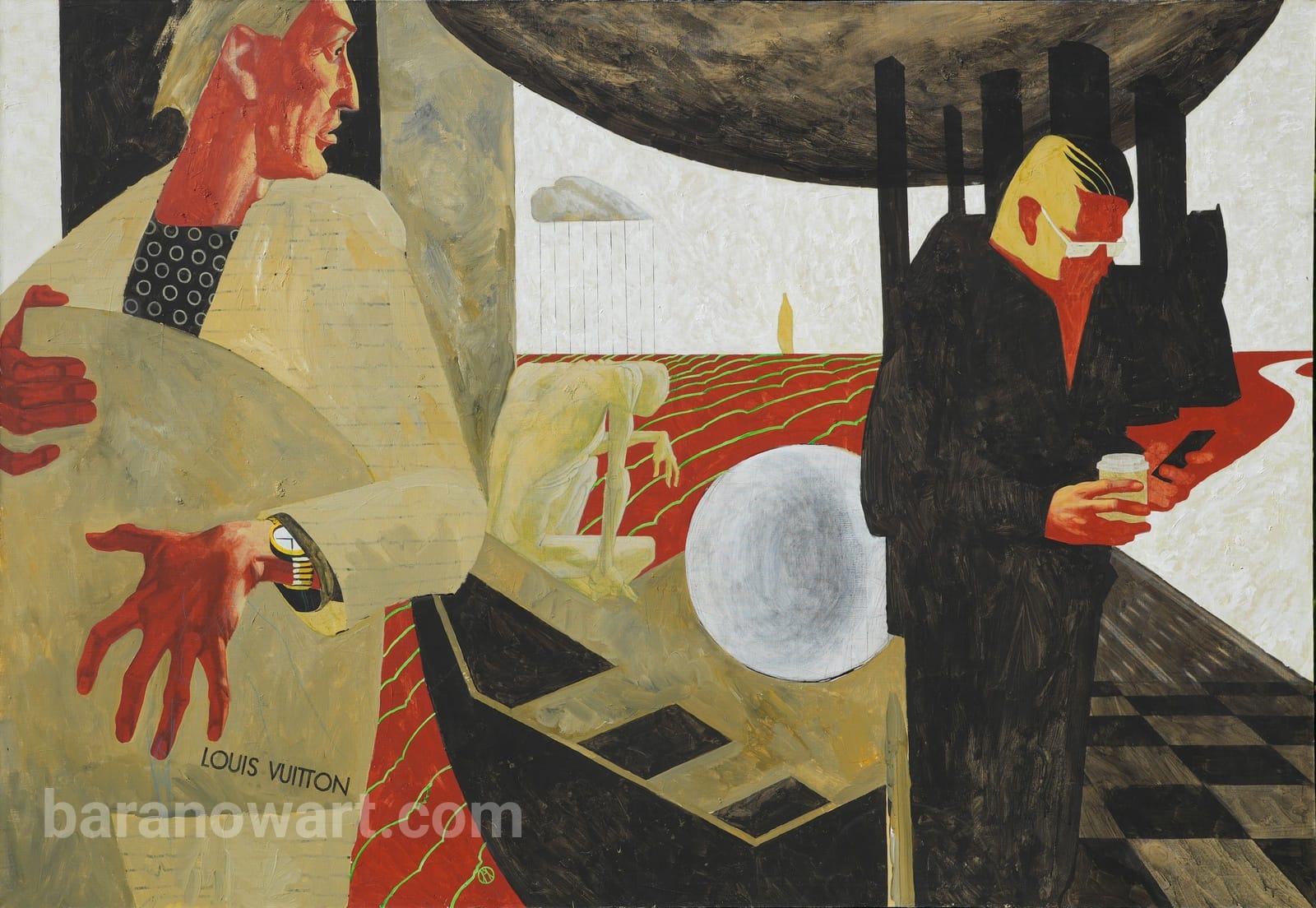
Pak’s use of light and dark across the canvas suggests a tension between ignorance and wisdom. The sower, a central figure, seems almost caught in motion. Every stroke seems placed with intention, guiding the viewer's eye across the painting in a rhythmic dance. What stands out is the detail in the sower's form — it's at once robust and ethereal, adding to the painting's mysterious allure.
The texture Pak achieves through his brushwork lends an almost tactile quality to the fields, as though they could be touched. It's the subtle variations in the sower's posture and the suggestive landscape that provoke thoughts of human effort and reward. The fields themselves are dappled with shadows that hint at depth and mystery, effectively drawing viewers into a meditation on the nature of insight and growth. Currently displayed at our gallery, this work is a must-see to truly appreciate its depth.
Reflecting on Nikolay Pak’s work, I find myself returning to his journey as both an artist and an individual who bridges cultures. His symbolic realism speaks not just to Russians, but to a universal audience striving to find meaning in the everyday. It's a reminder of the power of art to transcend borders and touch the human spirit. His ability to evoke emotion and provoke thought through his nuanced symbolism is what makes his work so compelling. As someone who has followed his career, I am eager to see how his work continues to evolve and speak to those who encounter it.