Nikolay Reznichenko: Minimalism and Expressive Form Baranow Art
Explore Nikolay Reznichenko's minimalist yet profound paintings at Baranow Art, blending simplicity with depth through rich visual storytelling.
A Rising Name in Russian Minimalism
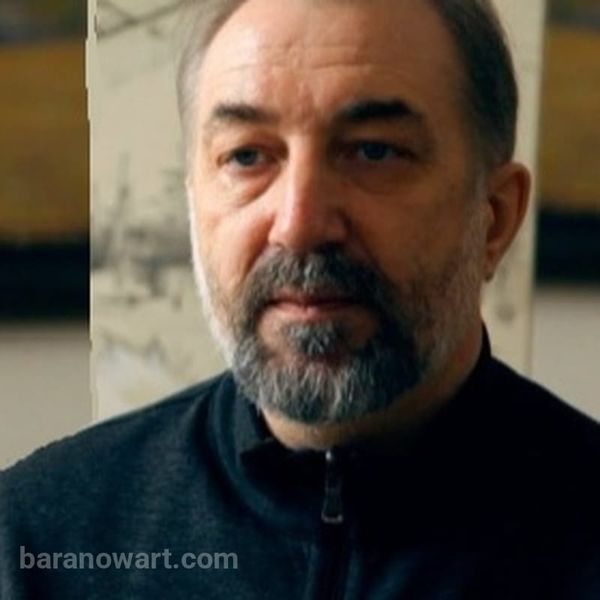
Nikolay Reznichenko is making waves in the contemporary Russian art scene with his unique artistry that focuses on the intricate dance between minimalist form and expressive content. Situated at the Baranow Art Gallery, he is increasingly being noted for how he captures intensity through simplicity. For collectors who appreciate art that whispers rather than shouts, Reznichenko’s paintings offer calm strength and thoughtful imagery.
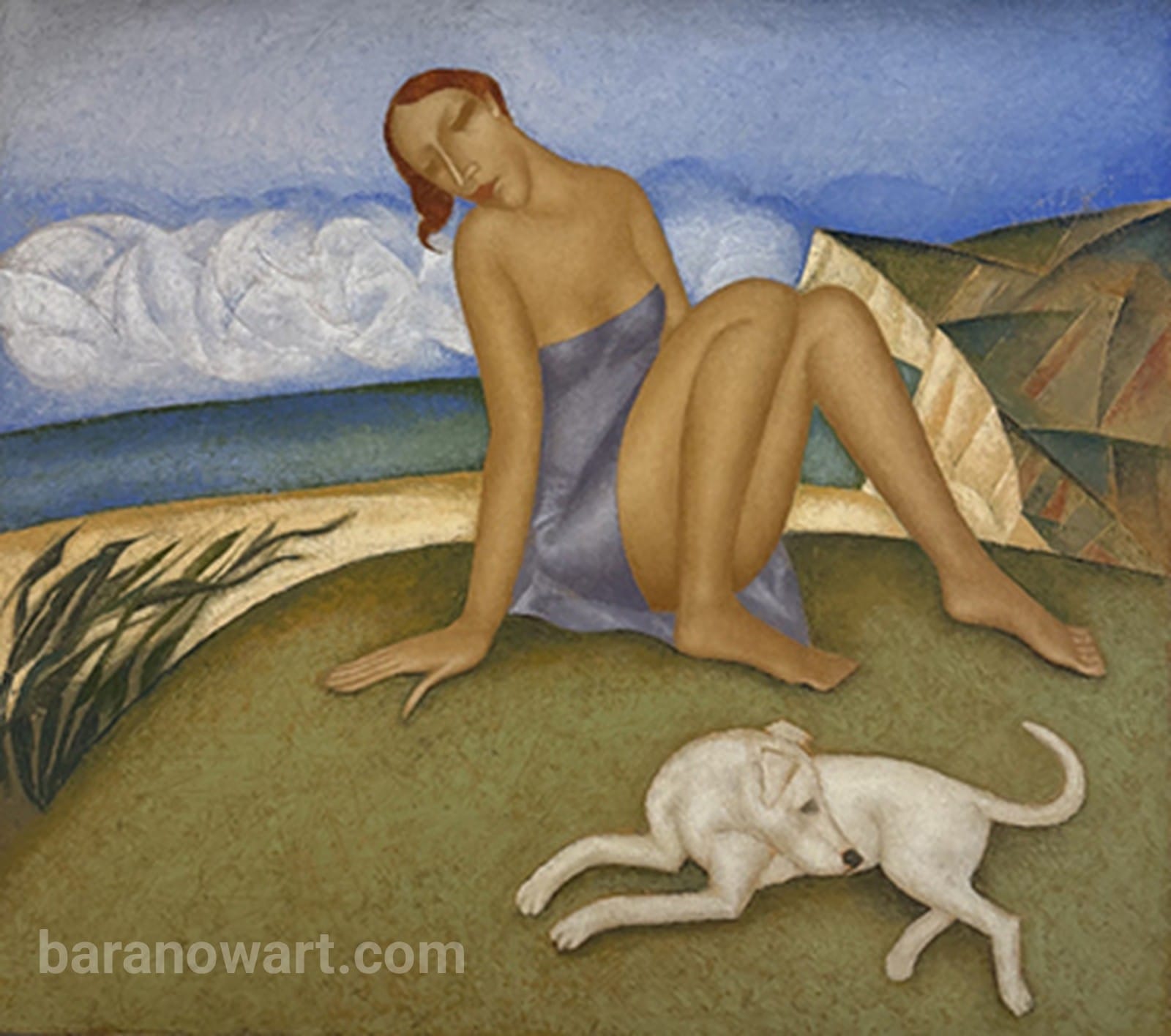
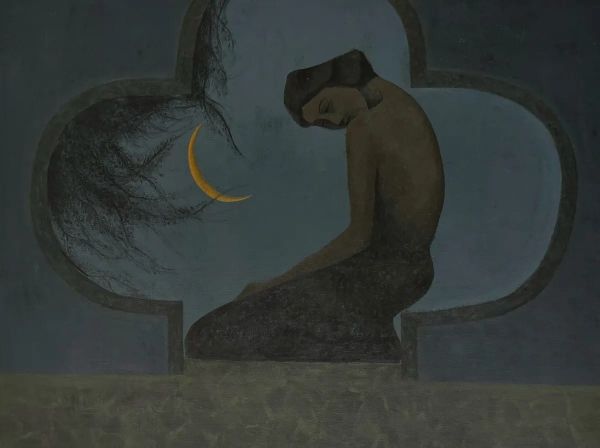
His work stands out because it concentrates meaning through minimalism. Instead of diluting his message, Reznichenko distills his ideas into clear, visual forms. This approach allows the subtle power of his imagery to emerge, inviting viewers into a contemplative space where each element of the painting has been carefully considered. He shows that minimalism does not have to be synonymous with emptiness - his paintings are filled with quiet power and depth.
A Journey from Sea to Canvas
Born in 1958, Reznichenko did not follow a traditional path to art. His life began with a different kind of adventure, studying at a maritime college which he followed with a stint in military service. These early experiences perhaps reflect a discipline and structure, traits evident in his later work. It wasn’t until the early 1980s that Reznichenko found himself entrenched in the world of art, landing in Karelia where he balanced teaching with construction work.
It was in Kostomuksha, amidst the Karelian landscapes, that he first exhibited his work in a significant way in 1986. This initial exhibition was crucial to his evolution as an artist. By 1989, Reznichenko settled in St. Petersburg, where he continues to develop his craft. His background in restoration, particularly with icons, has deeply influenced his artistic approach. This work required meticulous attention to detail, line quality, and color application, all of which have become signatures in his own painting.
Though his lessons in icon restoration have informed his technique, Reznichenko’s paintings are not bound by the religious themes of his practice as a restorer. Instead, they transcend these origins, crafted to speak directly to the viewer without need for prior knowledge of religious symbolism.
Crafting a Unique Visual Language
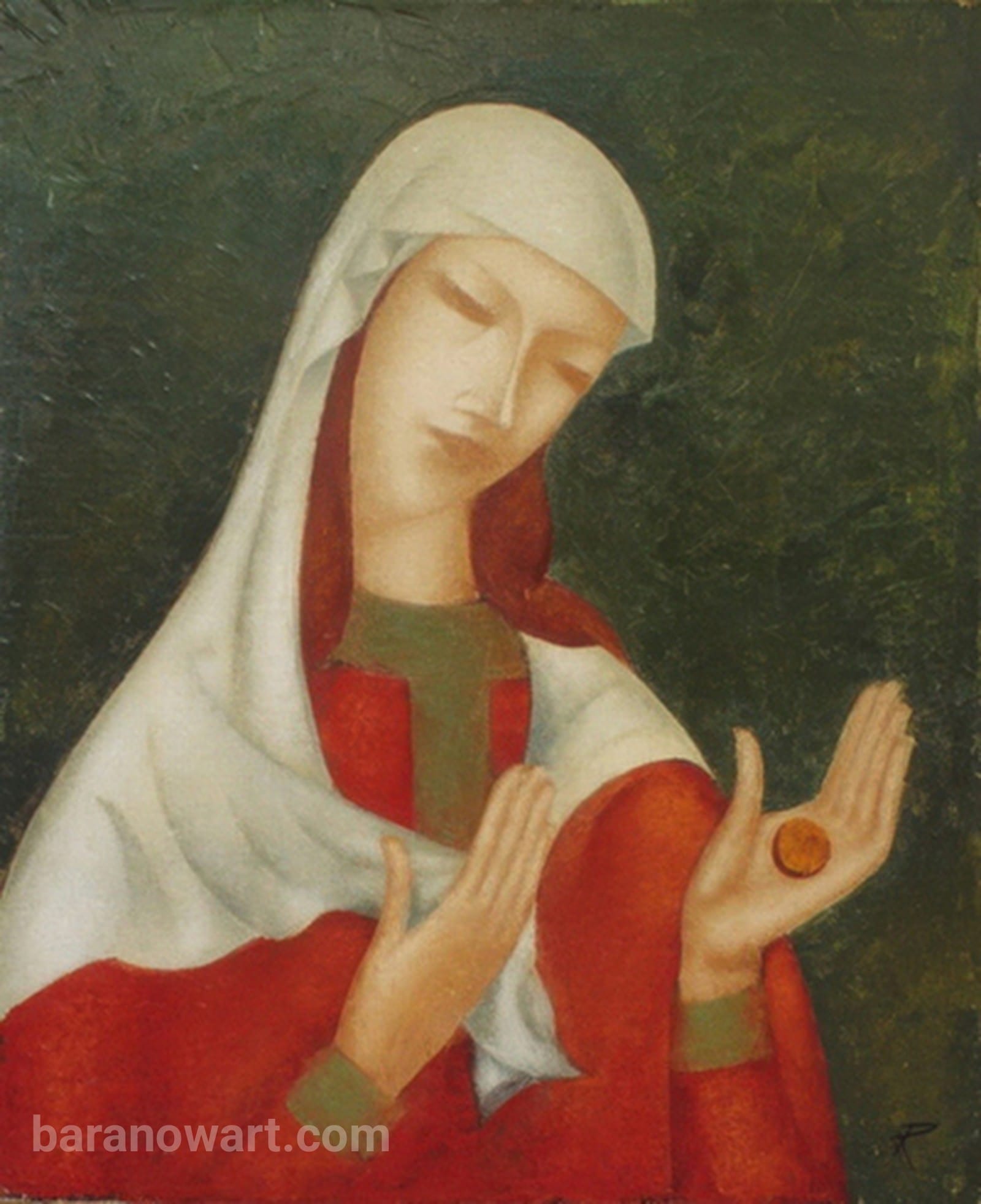
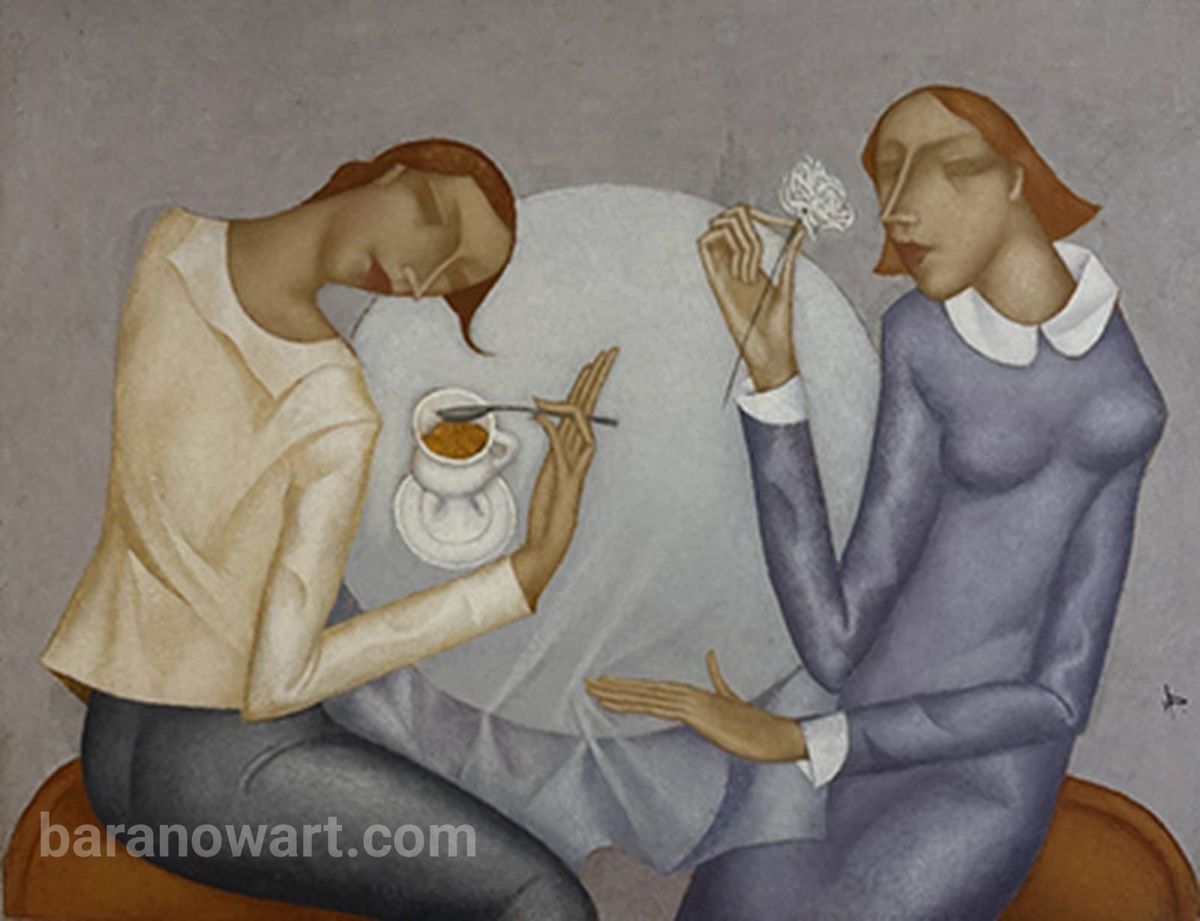
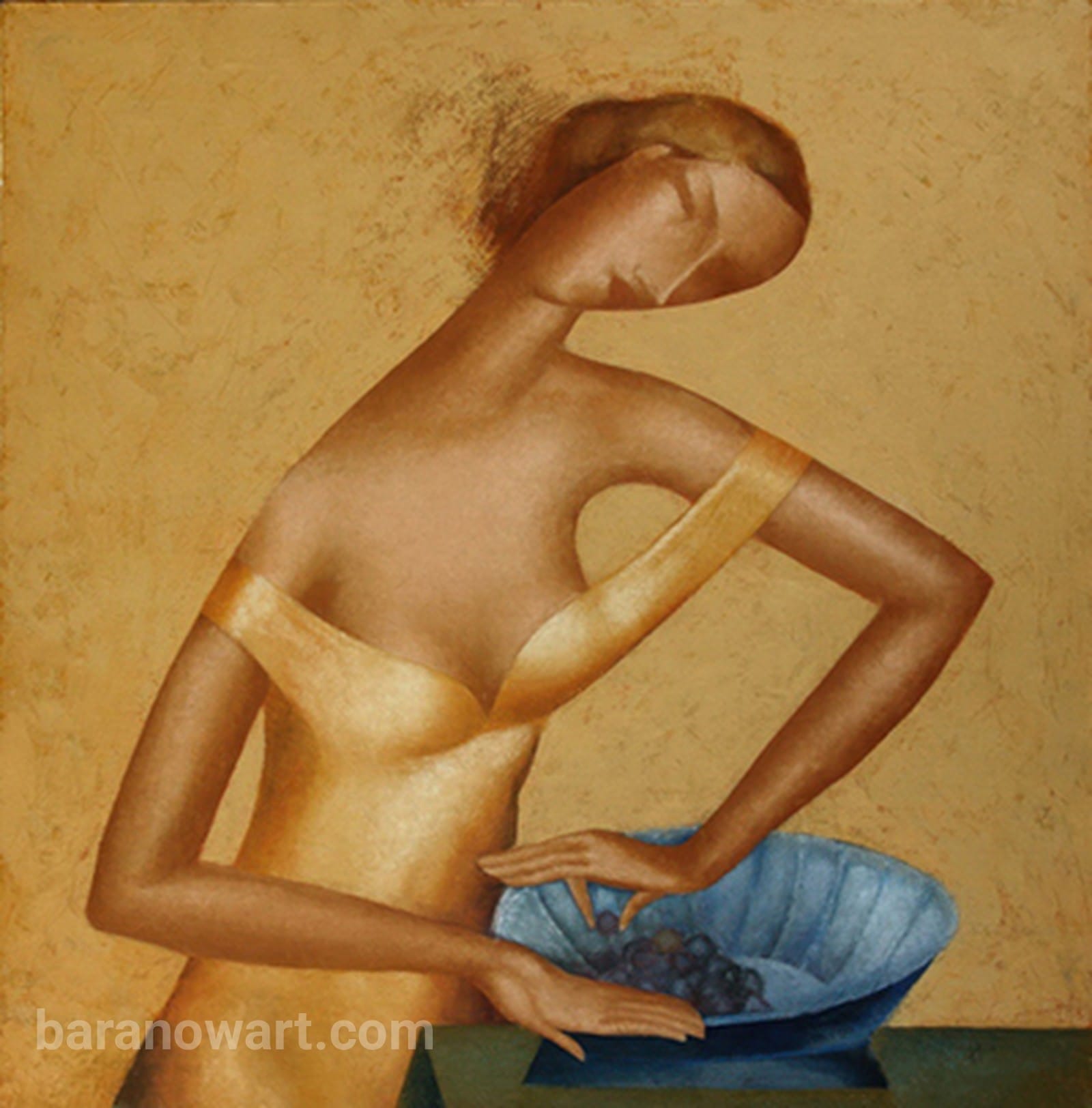
Embracing the grammar of traditional iconography, Reznichenko uses its tools - such as flat perspectives and color symbolism - to build something secular yet deeply human. His method is not about reproducing icons but about using similar constraints to focus emotional and semantical weight into the canvas. Reznichenko’s work is characterized by an elegance that emphasizes line and silhouette, inviting viewers to explore personal interpretations within the boundaries he has defined.
Minimalism in his art does not limit the expression; rather, it channels the full richness of human emotion through carefully selected visual cues. A masterful balance of line and color maintains a delicate interaction that encapsulates significant meaning. Reznichenko’s style is noted for its restraint - it avoids overcomplication, allowing the viewer to engage more deeply with the intent and emotion behind each piece.
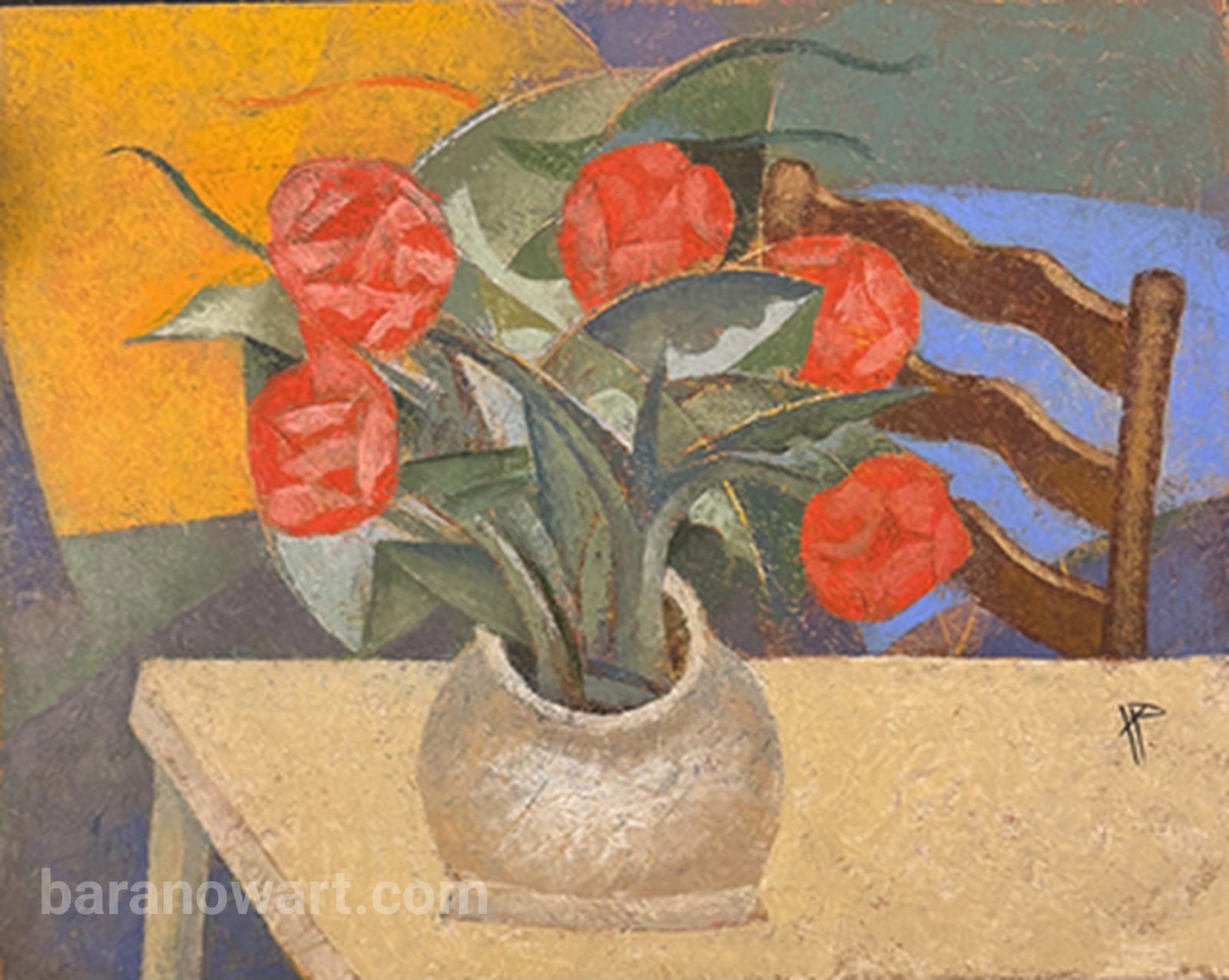
His color palette is another distinguishing feature, bringing warmth and a serene sense of comfort. The absence of superfluous details directs attention to what remains - a powerful narrative told through clean, deliberate strokes. This emphasis on simplicity connects back to the core of artistic expression, focusing on the essence rather than the embellishments, and invites viewers to immerse themselves in a space of reflection.
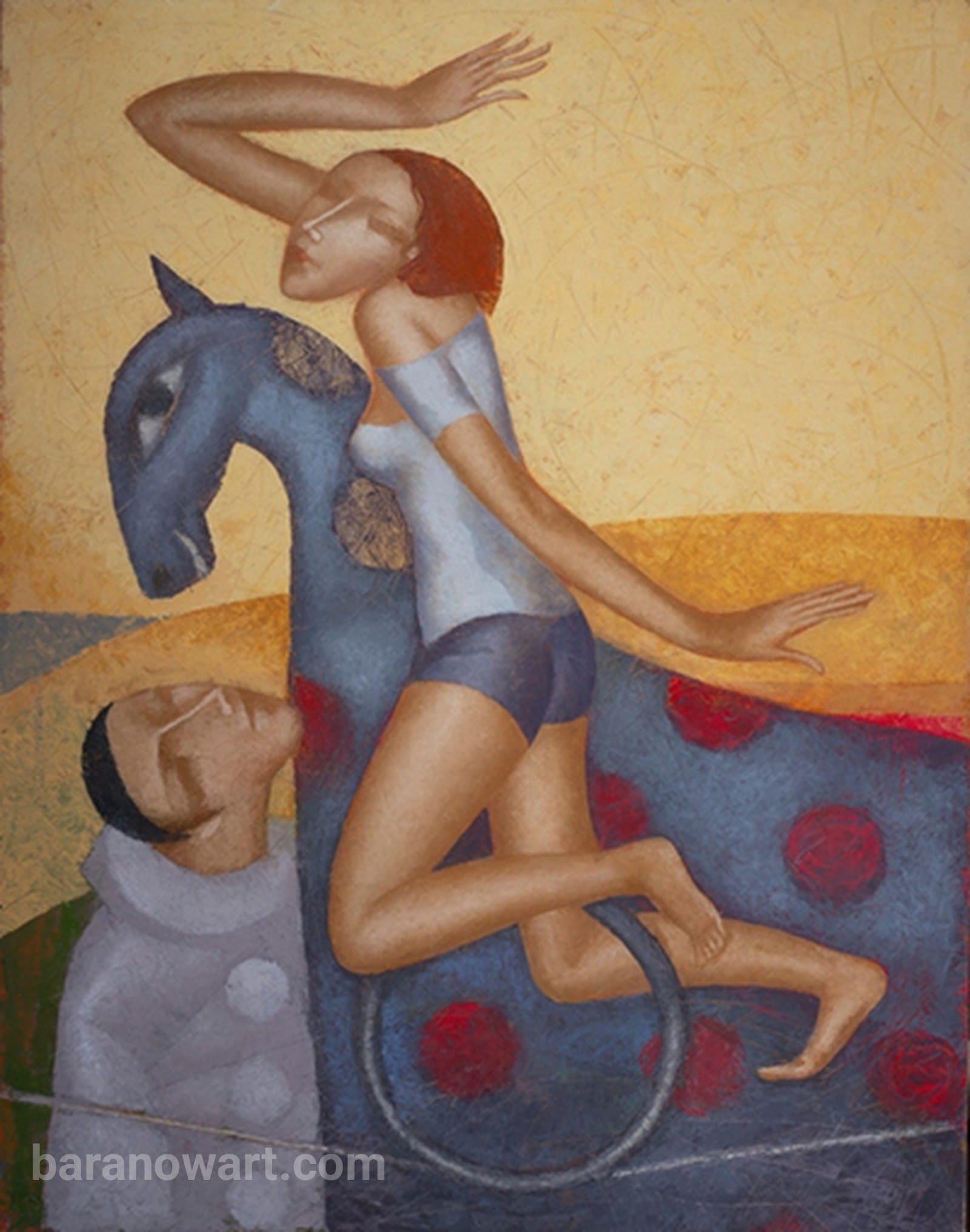
Reznichenko crafts a kind of visual language that does not require translation. His art communicates universally, touching on innate human experiences and emotions. The figures in his work often seem to exist in their own world, interacting with one another in scenes that convey a quiet yet profound sense of being. The simplicity of these scenes encourages viewers to bring their own narratives and interpretations, making each encounter with his work a personal experience.
Why Reznichenko is a Gallery Favorite
Nikolay Reznichenko’s art has a quiet charm that makes it a favorite in galleries around the world. His ability to bring tranquility into the viewing experience positions his work as ideal for thematic and group exhibitions exploring the slower, more introspective facets of art. His paintings create a meditative center, offering a pause in a busy world, and connect seamlessly with themes that intersect cultural heritage and contemporary minimalism.
For collectors, his appeal lies in the blend of simplicity and depth. Reznichenko crafts scenes that appear straightforward - characters engaged in everyday acts of love, dance, and song - yet these images resonate with viewers on multiple levels. With each piece, the artist strikes a balance between the visible and the conceptual, where every line contributes to the overall narrative without the need for overt explanations.
His works enjoy a broad international audience and can be found in numerous private collections across Russia, Kazakhstan, Germany, Great Britain, France, Switzerland, and the USA. At Baranow Art Gallery, Reznichenko serves as a conduit between differing artistic traditions, marrying the historical depth of icon painting with the clarity of modernist principles. Collectors value his art for its timeless quality - a treasure that doesn’t age but remains relevant, voicing a quiet assurance that resonates through time.
For those who collect art not by trends but through a desire for authentic expression, Reznichenko’s work is invaluable. His paintings whisper truths and invite a prolonged engagement, rewarding viewers with layers of meaning discovered anew with each viewing. This dedication to authenticity and attention to emotional detail ensures that Reznichenko’s work will continue to speak to audiences, providing them with a constant touchstone of artistic reflection amid the ever-changing tides of art trends.