Open City Johannesburg 2026
Explore the vibrant art and culture of Open City Johannesburg 2026 with Claire Bennett's firsthand account of this citywide cultural celebration.
Open City Johannesburg 2026 was a remarkable experience, transforming the city into a lively hub of cultural activity. For over two weeks, the event extended beyond the typical boundaries of an art fair, filling Johannesburg with art, music, performances, and food events. As the festival coincided with FNB Art Joburg, every corner of the city buzzed with creativity, pulling together galleries, museums, studios, and local communities. Seeing how Johannesburg embraced its cultural life during this time left a profound impression on me.
A Festival that Engages the Entire City
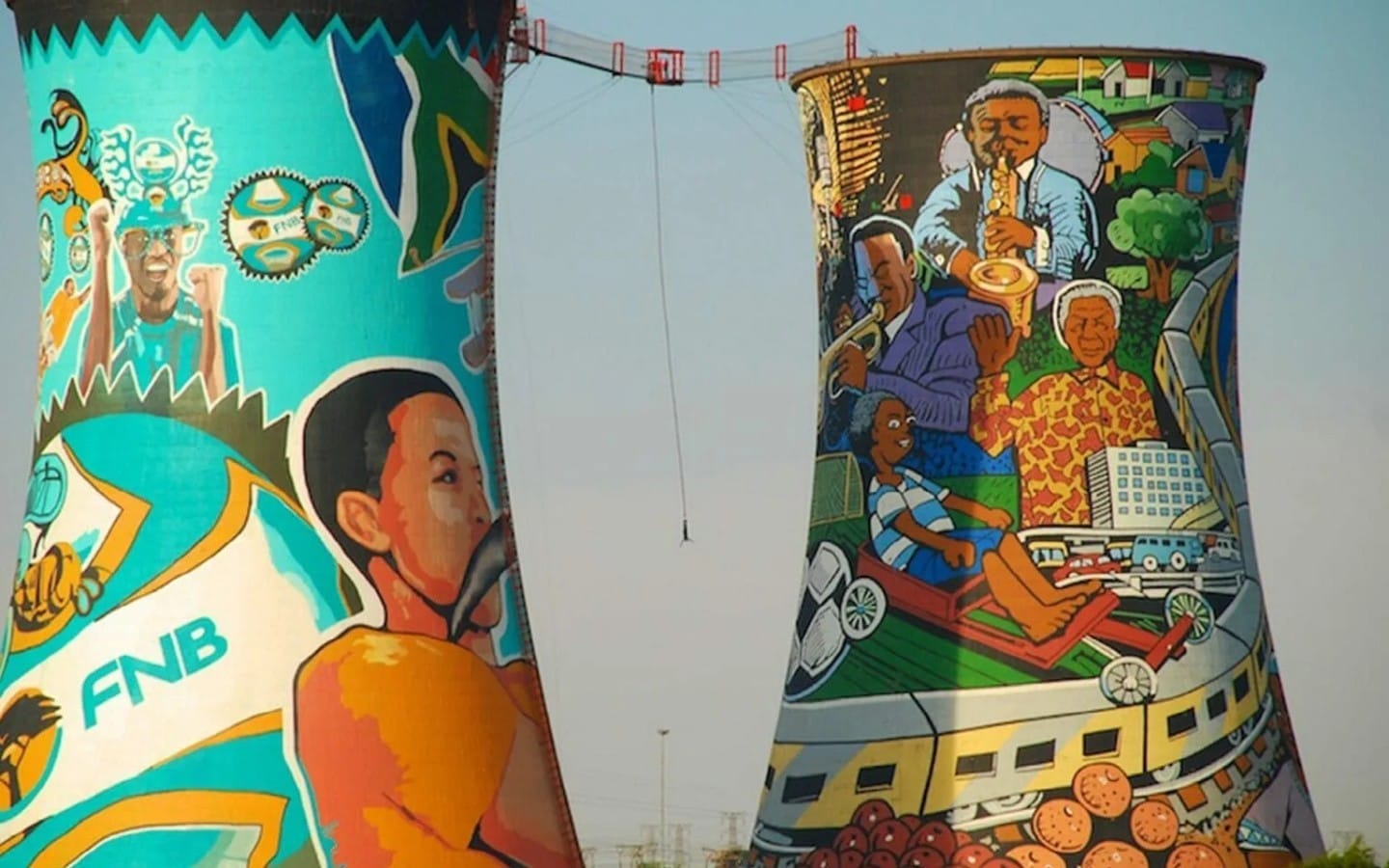
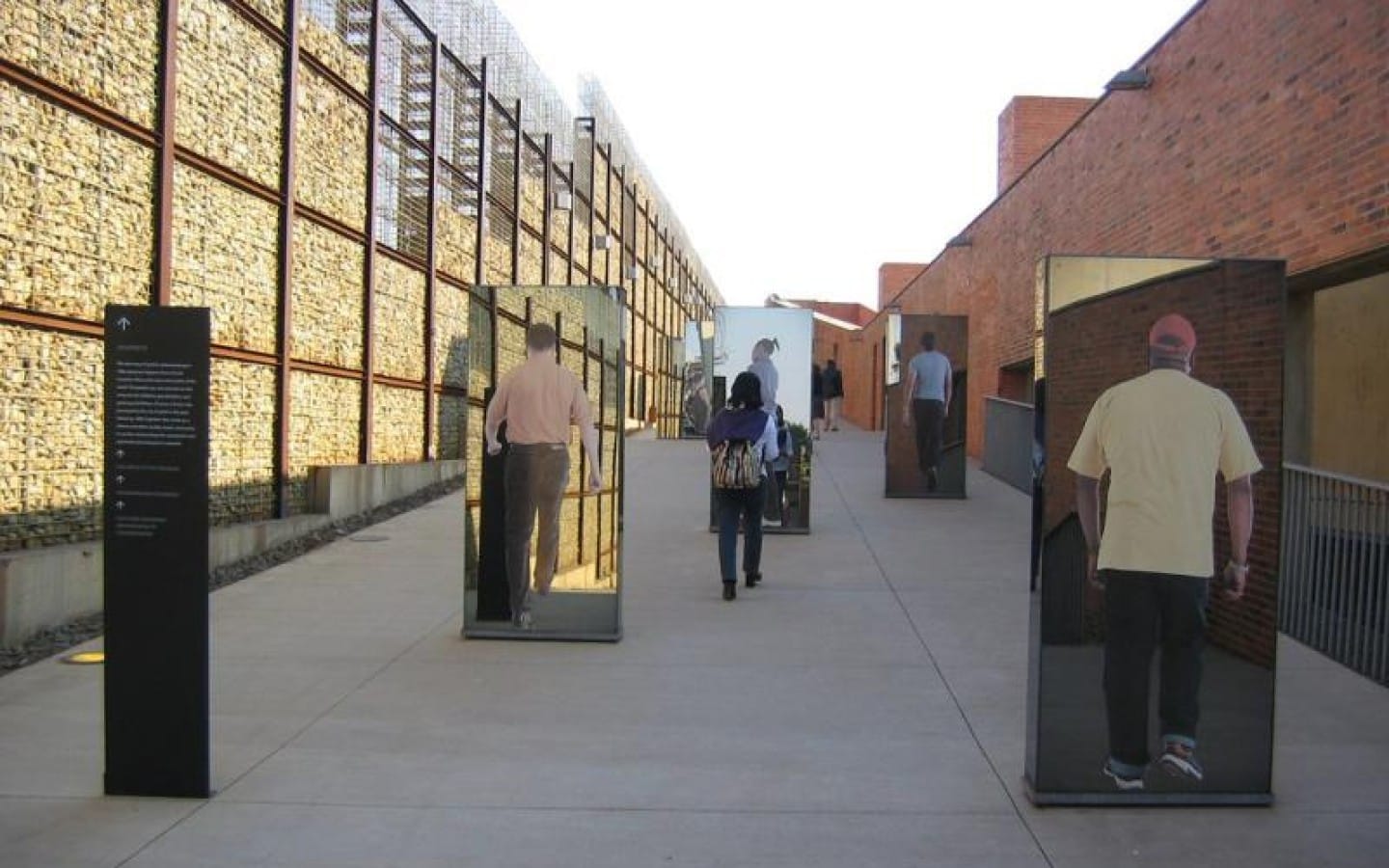
The most striking feature of Open City Johannesburg 2026 was how it embedded art and culture into the daily lives of both locals and visitors. I wandered through various neighborhoods where I found art everywhere — in galleries, on the walls of restaurants, and even as street performances. The festival promoted inclusivity, making art accessible to those who might not typically attend a conventional art fair. Walking through the city, I noticed how the festival was not just about visiting a gallery or museum but also about community-centered gatherings and local markets catering to all. Events were spread across Johannesburg’s diverse cultural venues, merging everyday city life with extraordinary artistic encounters. The festival aimed to blend seamlessly with the cityscape, involving local businesses and spaces, turning the whole city into a canvas.
A Unique Event for Art Enthusiasts
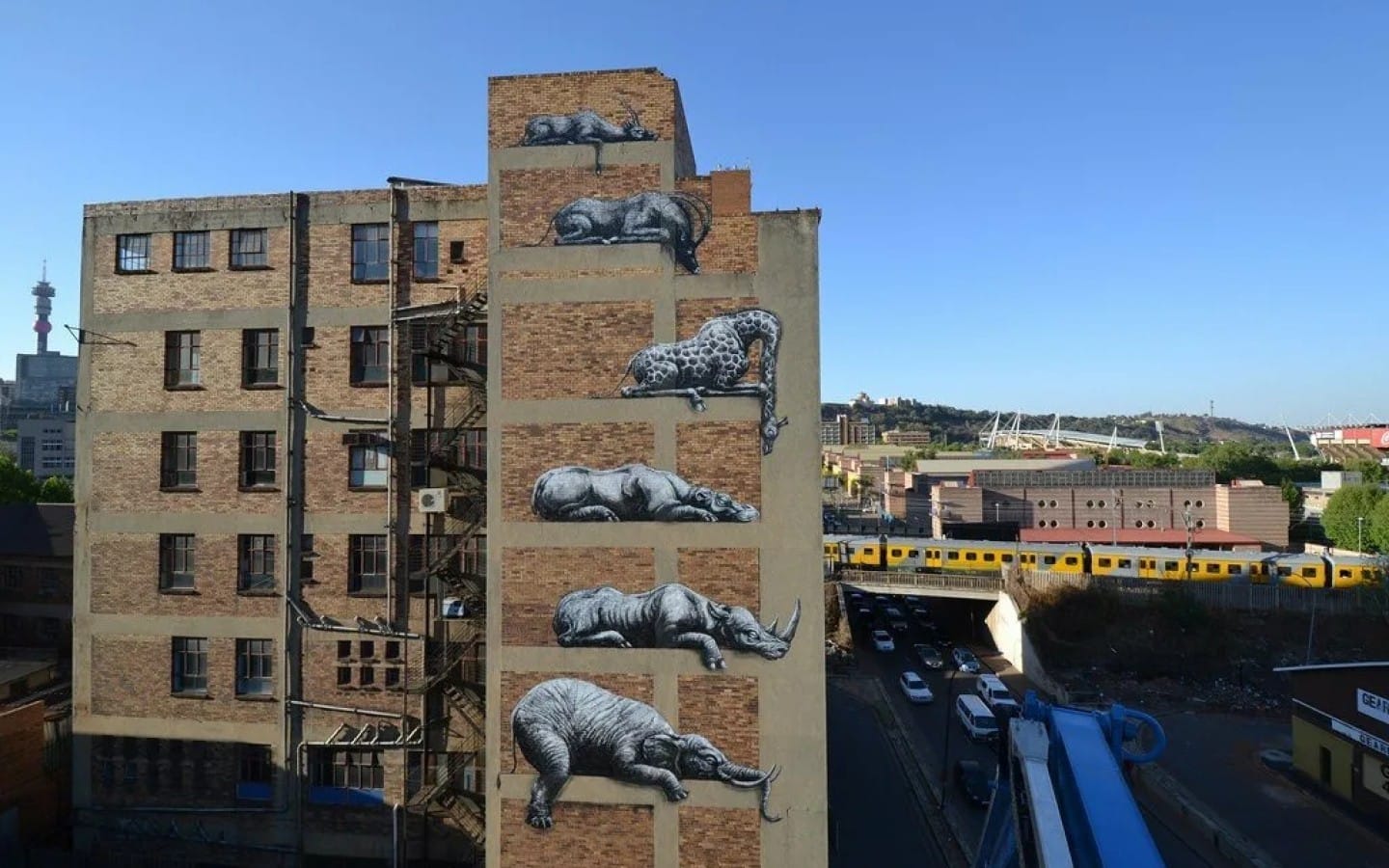
What made Open City Johannesburg 2026 particularly interesting was how it catered to a diverse audience. Art collectors could explore galleries in their complete form, while cultural tourists like myself had the chance to wander through Johannesburg's neighborhoods beyond Sandton. The festival opened up lesser-known parts of the city, encouraging visitors to engage with the local scene authentically. Open City brought art out of its traditional confines and into interactive environments. For art professionals, this was an opportunity to connect with independent artists and emerging talent in settings outside the usual commercial venues. It felt like I was discovering Johannesburg's creative pulse one exhibition at a time, revealing how artists are shaping their collective future.
Navigating Johannesburg's Expansive Art Scene
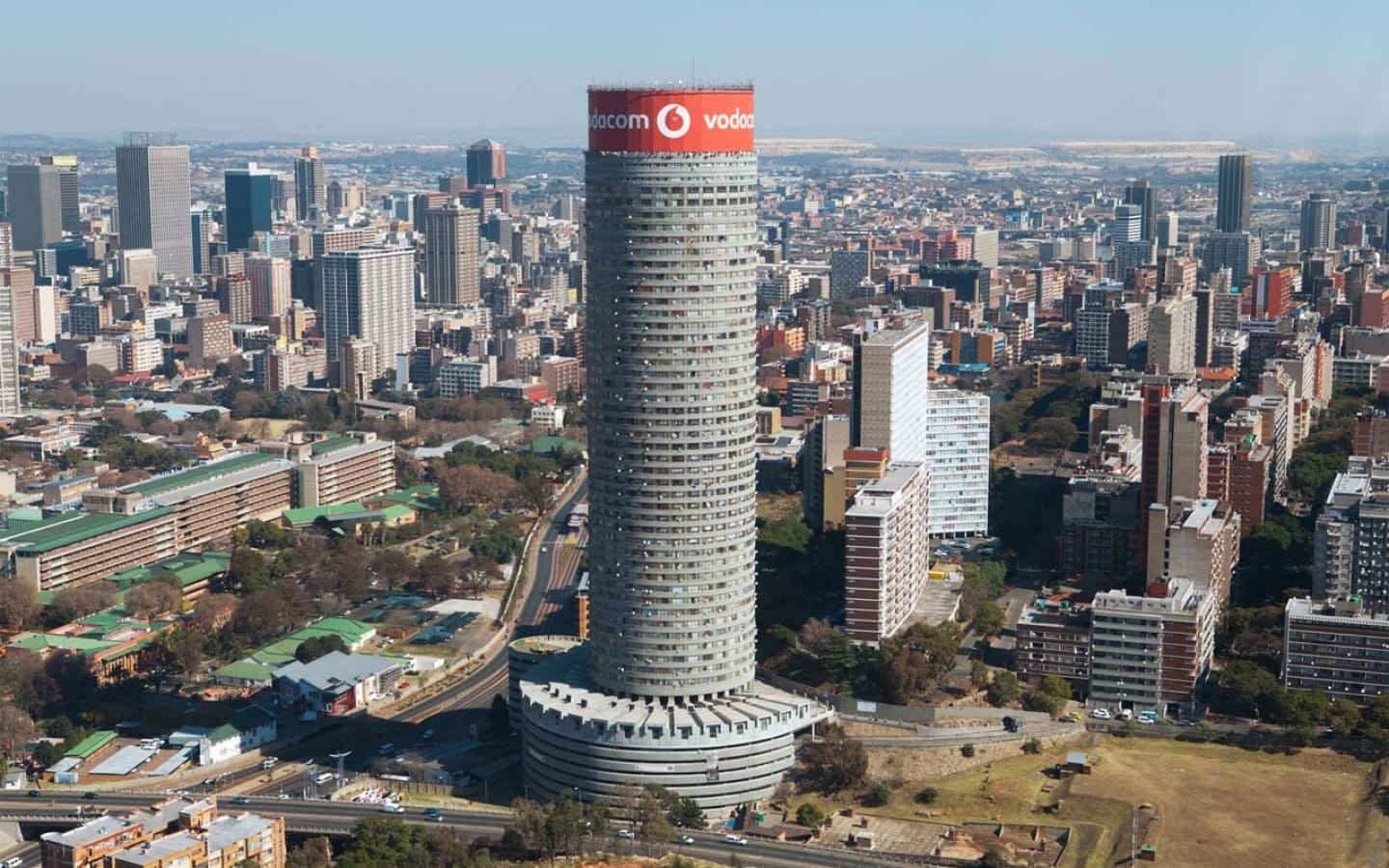
One of the challenges I faced was the sheer size of Johannesburg. The events were scattered across the city, which meant traveling was necessary. Thanks to the Gautrain and rideshare services, moving from one cultural hub to another was manageable. However, I found that planning my itinerary by area made the most sense, allowing me to fully immerse myself in each neighborhood rather than spending too much time in transit. Organized tours and gallery routes were available, providing insight into the city's art districts. I’d recommend focusing on specific neighborhoods like Rosebank for an entire day to truly appreciate what Open City has to offer. Evening openings were particularly exciting, though traffic could be heavy, so advance transport arrangements were a must to make the most of the night-time events.
Places to Stay During Your Visit
Finding accommodation that suits your festival agenda is crucial. I based myself in Sandton, which was convenient for accessing both the main fair and other Open City events. For visitors interested in Johannesburg’s gallery circuit, Rosebank and its surrounding neighborhoods like Parkwood and Parkview offered charming boutique options that put you right in the heart of the cultural action. Rosebank's proximity to numerous art spaces made each morning start with ease, while Melrose and Illovo provided more choices between Sandton and the central cultural districts. Each area had its appeal, depending on which events were on your priority list, so it was worth considering your accommodation location carefully in relation to your festival plans. Wherever you choose, booking early is wise. The influx of international visitors for FNB Art Joburg can make last-minute arrangements difficult, as accommodations fill up quickly with the convergence of artists, collectors, and culture enthusiasts.
Understanding the Festival's Origins
Open City Johannesburg 2026 emerged from FNB Art Joburg's desire to create broader cultural engagement. As the fair has grown to be the longest-standing contemporary art event on the African continent, this festival provides a more holistic approach by involving various cultural streams. It connects the art market with the city’s rich tapestry of music, theatre, fashion, and community activities. Johannesburg’s layered history and vibrant present offer a perfect backdrop for such events, helping to highlight the city's dynamic cultural life through its many voices and talents. The city’s unique history, marked by migration and continuous change, offered the perfect context for this kind of integrative cultural event. It was fascinating to see how its complex past lives in this bustling, creative present.
Planning a Rewarding Festival Experience
To make the most of Open City Johannesburg 2026, I focused on curating my itinerary with care. Grouping events by neighborhood allowed me to relax and enjoy each location. Making reservations in advance for performances and workshops ensured I didn't miss out on special experiences. I also left room for serendipity, as some of my favorite moments came from unexpected discoveries in smaller galleries and community spaces. These often offered more intimate encounters with artists and locals, providing deeper insights into Johannesburg’s artistic dialogues. Exploring these spaces revealed a side of the city that felt far more personal and engaging than sticking to the main attractions, capturing the grassroots spirit of the event.
Find the Profound Connections, Not Just Events
It's easy to get caught up in ticking off a list of places to visit. However, the essence of Open City Johannesburg 2026 lies in meaningful connections with the city's cultural landscape. Taking the time to converse with artists, explore independent endeavors, and engage with local audiences turned the festival into an enriching narrative rather than a series of gallery stops. As I left Johannesburg, I carried with me not just memories of art but also a deeper understanding of how this city breathes life into its creative expressions. The blend of professional showcases with community projects showcases a model of cultural tourism that respects and celebrates the city’s spirit in a way that a traditional art fair might not achieve on its own.
Claire Bennett for ArtexpoWorld.com