PHotoESPAÑA 2026
Discover the innovative scope and dynamic energy of PHotoESPAÑA 2026. Dive into Madrid's vibrant photography scene with Claire Bennett's firsthand insights.

PHotoESPAÑA 2026 has been a vivid journey through the world of photography here in Madrid. Walking through the festival’s many venues, I was struck by how it turns the city itself into a sprawling gallery. This year, the theme 'Reimagining' brings fresh perspectives that challenge our views on the photographic medium.
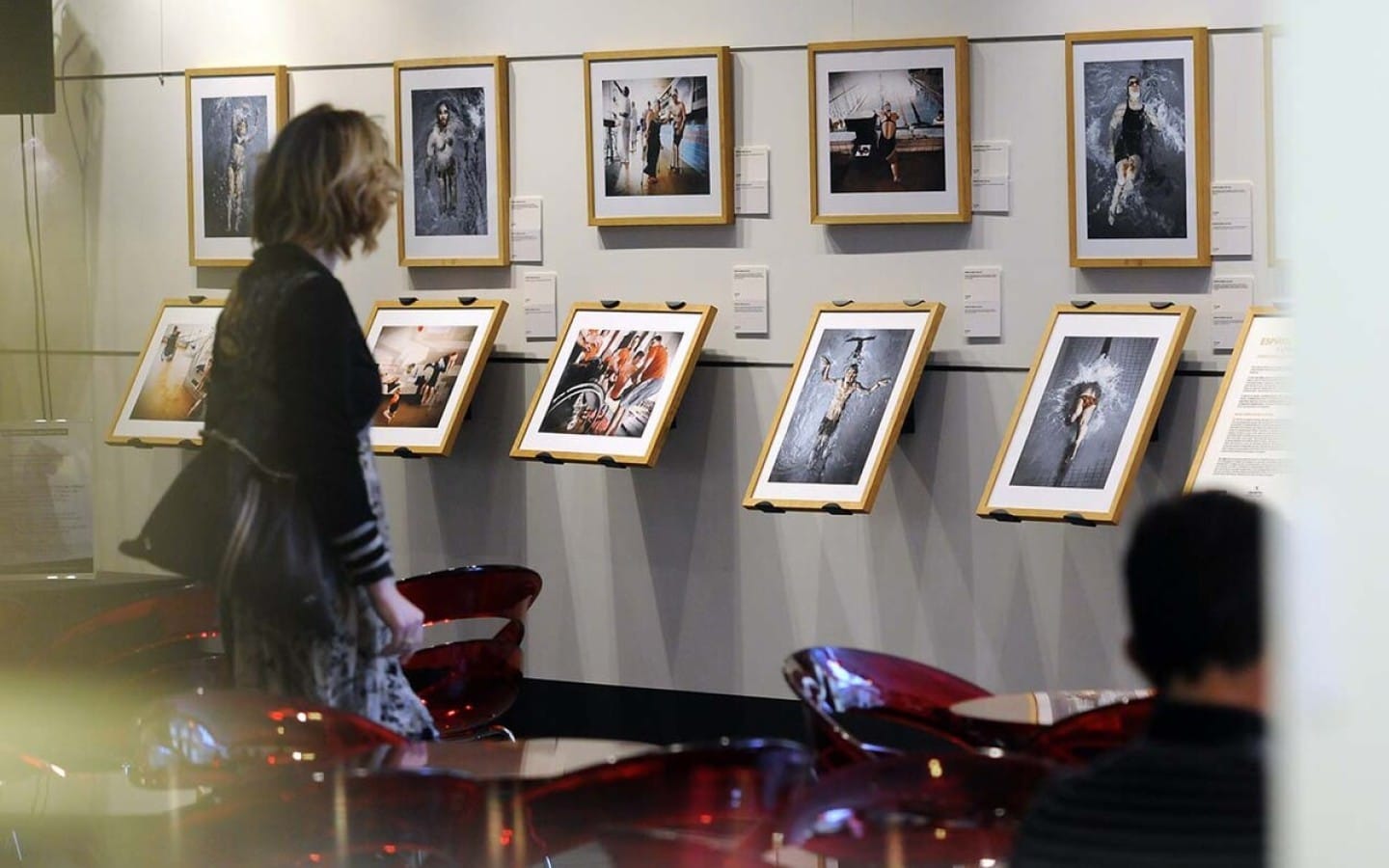
A Rich Program of Diverse Visual Voices
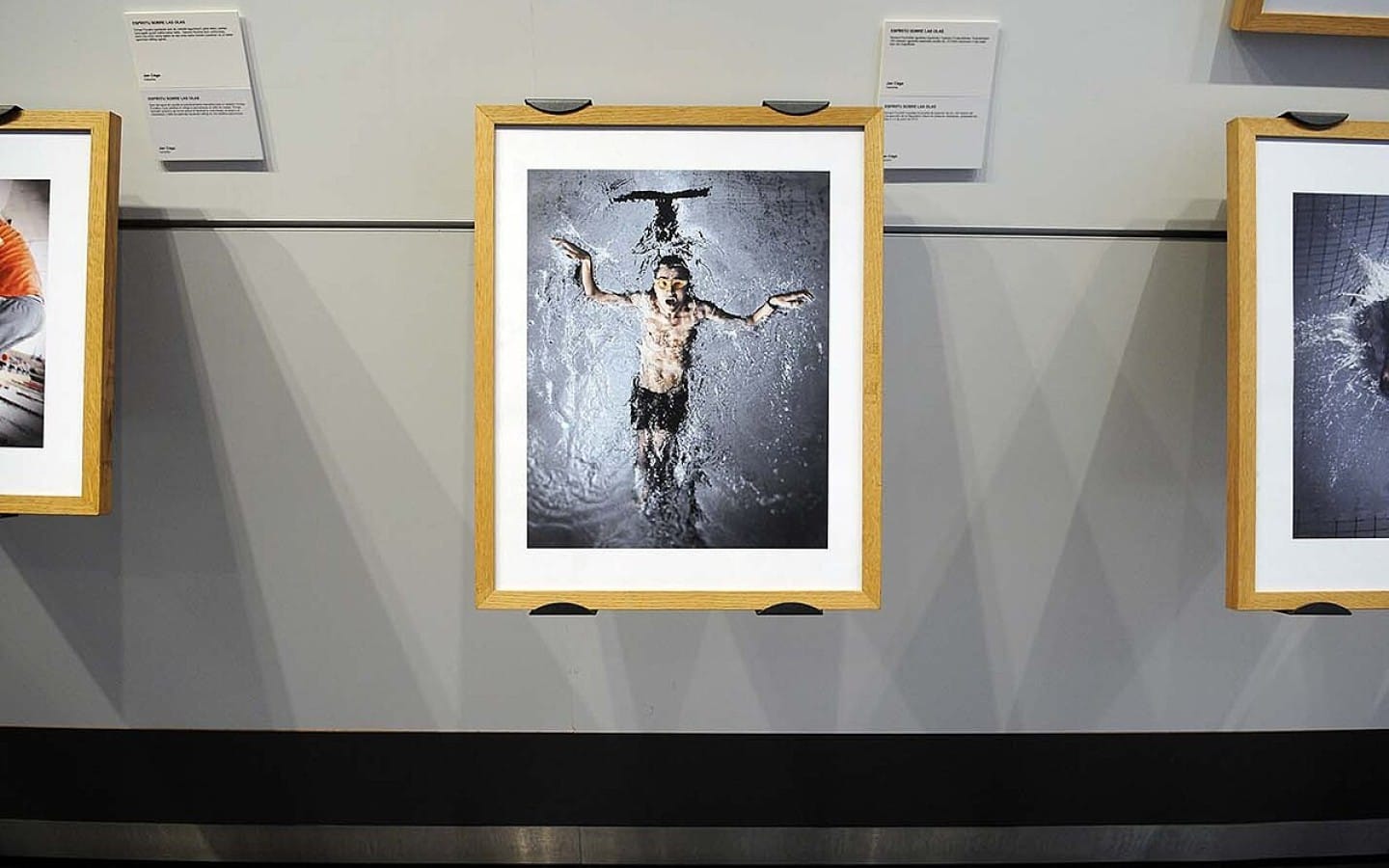
This festival isn't shy about its scope. Over 300 visual artists are part of PHotoESPAÑA 2026, and the presence of women artists stands out as a significant feature, bringing diverse perspectives and narratives to the forefront. The festival examines powerful themes by showcasing how photography influences our grasp of memory, identity, truth, fiction, and ultimately imagination. From classical documentary photography to avant-garde visual installations, the breadth of work on display truly showcases what modern photography is capable of. This year's Reimagining theme particularly resonated with me, making me question not just the images I saw, but the world they present or challenge.
It's fascinating how this event uses multiple venues across Madrid, allowing visitors to experience various exhibitions that each offer unique viewpoints. I wandered from historical archives highlighting pivotal moments from the past to contemporary voices challenging the status quo and exploring uncharted territories in visual storytelling. The spectrum of works allowed me to appreciate both the depth and evolution of photographic art.
Why PHotoESPAÑA 2026 Matters
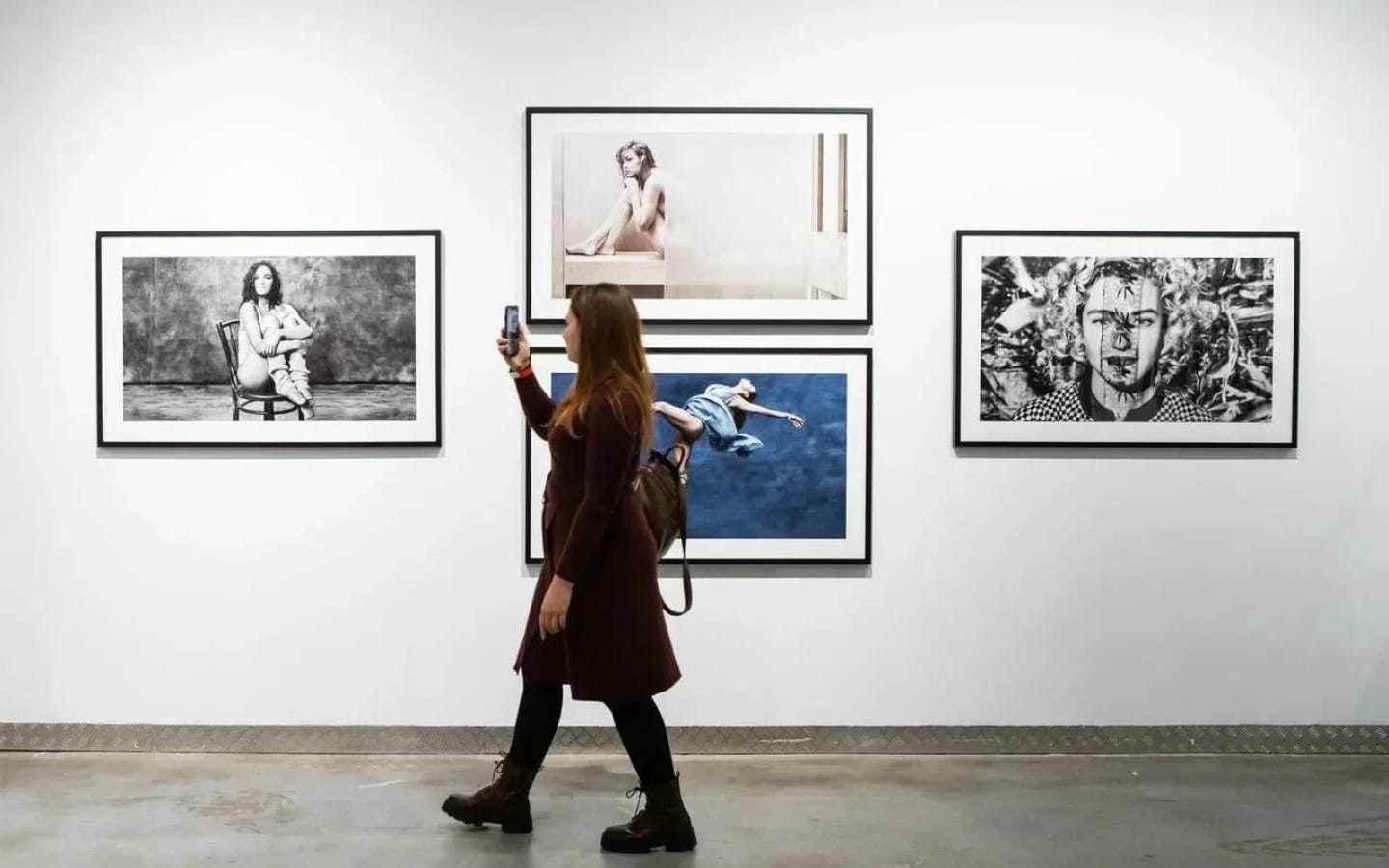
If you love photography like I do, this festival is essential. Its variety introduces visitors to both big names and emerging talent in the field, offering fresh insights into the ever-evolving genre. The transition from traditional forms to boundary-pushing experiments provides a comprehensive understanding of photography's current landscape. Imagine moving from the stark reality of historical archives to bold, new voices experimenting with the form. I found this combination both inspiring and intellectually stimulating. The timing of the festival, spanning from spring to summer, makes it an ideal complement for cultural explorers wanting to pair it with Madrid's rich artistic offerings, like the Prado and Reina Sofía.
Each year, PHotoESPAÑA draws not only art enthusiasts but also professionals seeking to observe trends that are gaining traction in the art world. This year, there was a noticeable focus on themes like gender and identity, as well as the experimentation and expansion of image-making. For collectors and art professionals, the festival offers valuable insights into practices grabbing institutional attention. It's this convergence of insights and experiences that underscores the festival's critical role in the art world.
Navigating the Festival’s Many Venues
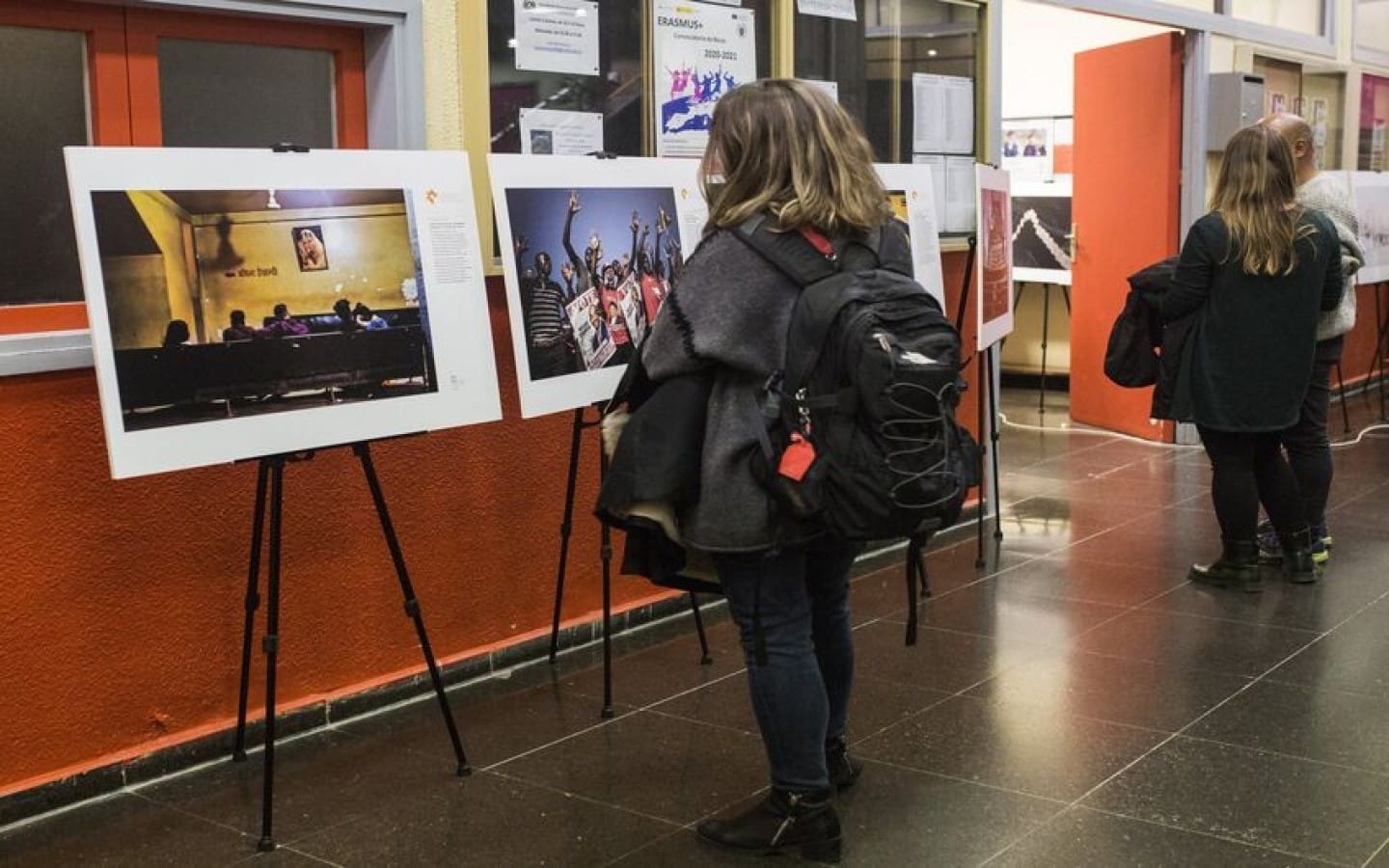
Getting around is key with a festival spread across multiple venues. I arrived via Adolfo Suárez Madrid-Barajas Airport, which made entering the city a breeze. Madrid's public transport, efficient as ever, was invaluable in hopping between exhibits. Atocha station is a handy hub if you're coming from other Spanish cities like Barcelona or Seville. With so many locations, I recommend checking venue addresses ahead of time if you're planning to make the most of your visit. The interconnected network of metro, buses, and even taxis meant I could easily slot several exhibitions into a single day without much hassle.
The festival’s spread across Madrid offers an added layer of discovery as you explore the city's varied architecture and neighborhoods. Each venue added a distinct character to my visits, with some in bustling city centers and others tucked away in quieter cultural hubs. This geographical diversity reflects the dynamic energy of the festival itself, encouraging visitors to explore Madrid beyond its tourist hotspots and delve into its rich artistic veins.
Finding the Right Place to Stay
Staying in the city center is convenient for newcomers to Madrid. Close proximity to major attractions simplifies things dramatically. I loved the atmosphere in the Las Letras district, an excellent choice for cultural seekers with its proximity to museums and quaint streets. For those interested in a more lively vibe, Chueca and Malasaña won't disappoint with their bustling nightlife. Both areas offered a vibrant backdrop, abundant with restaurants and chic boutiques.
If luxury is more your style, Salamanca offers elegance with its posh hotels, yet without sacrificing central access. Staying there means blending high-end shopping experiences with cultural convenience. On the other hand, if budget is a concern, areas just outside the main tourist spots provide great value with easy metro access, ensuring you don't miss any of the action. All these options cater to different visitor preferences, making it easy to align your accommodation with the kind of experience you want from your Madrid visit.
The Legacy and Significance of PHotoESPAÑA
PHotoESPAÑA has positioned itself as a stellar event in the European photography scene. Its integration into Madrid’s cultural fabric is evident as the city’s vibrant museums and galleries participate in this grand visual dialogue. The festival offers more than just images; it provides a lens into how photography has the power to shape political, social, and personal narratives. This year’s theme, 'Reimagining,' feels incredibly relevant as we grapple with an era awash in digital imagery and increasingly sophisticated visual technologies.
This ongoing dialogue makes me reflect on how photography can disrupt conventional views and encourage new ways of interpreting our world. By integrating major museums, cultural centers, galleries, and even public spaces into its framework, PHotoESPAÑA turns Madrid into a vibrant cultural mosaic. As city spaces transform into conduits of art and conversation, they invite both locals and international visitors to perceive Madrid through fresh eyes.
Maximizing Your Visit
With so much to see, a bit of planning can go a long way. I focused on selecting exhibitions by theme and location, making my capers between venues both enjoyable and efficient. Staying a few days can help savor the full spectrum, as you'll want to let each experience sink in. Besides mainstream exhibitions, I found smaller venues housed some of the most impactful pieces. It was within these intimate settings that unexpected art often left a lasting impression. Summer's heat is also something to plan for; early morning or late afternoon visits often proved more comfortable.
As the exhibitions are not confined to a single location, venturing out to lesser-known cultural centers can sometimes result in the most profound artistic encounters. These venues, often innovative in their own right, present artworks that push the boundaries of traditional formats, creating a renewed appreciation for the innovation inherent in the medium.
Unexpected Discoveries Await
One of my favorite aspects of PHotoESPAÑA was the element of surprise. Nothing beats the thrill of finding that unexpected piece of art that shifts your perspective on a subject. These moments often happened when I allowed my itinerary to take a backseat, embracing a spontaneous journey. Every corner of Madrid, due to this festival, becomes a canvas that beckons you to slow down and look deeper. The festival functions not just as an assembly of exhibitions but as a living organism, where each visit becomes a dialogue between viewer and artwork.
This spirit of discovery is what makes PHotoESPAÑA unique. Art is not presented in isolation; it interacts with its environment, asking visitors to change preconceived narratives and engage with different stories. Leaving room in your schedule for these serendipitous encounters often yields the most memorable experiences — ones where the unexpected image quietly revolutionizes the way you see something familiar or previously unnoticed.
Claire Bennett for ArtexpoWorld.com