Public Art Munich Focus Year 2026
Explore Public Art Munich Focus Year 2026, where urban spaces transform into open-air galleries, inviting fresh engagement with art across Munich's streets.
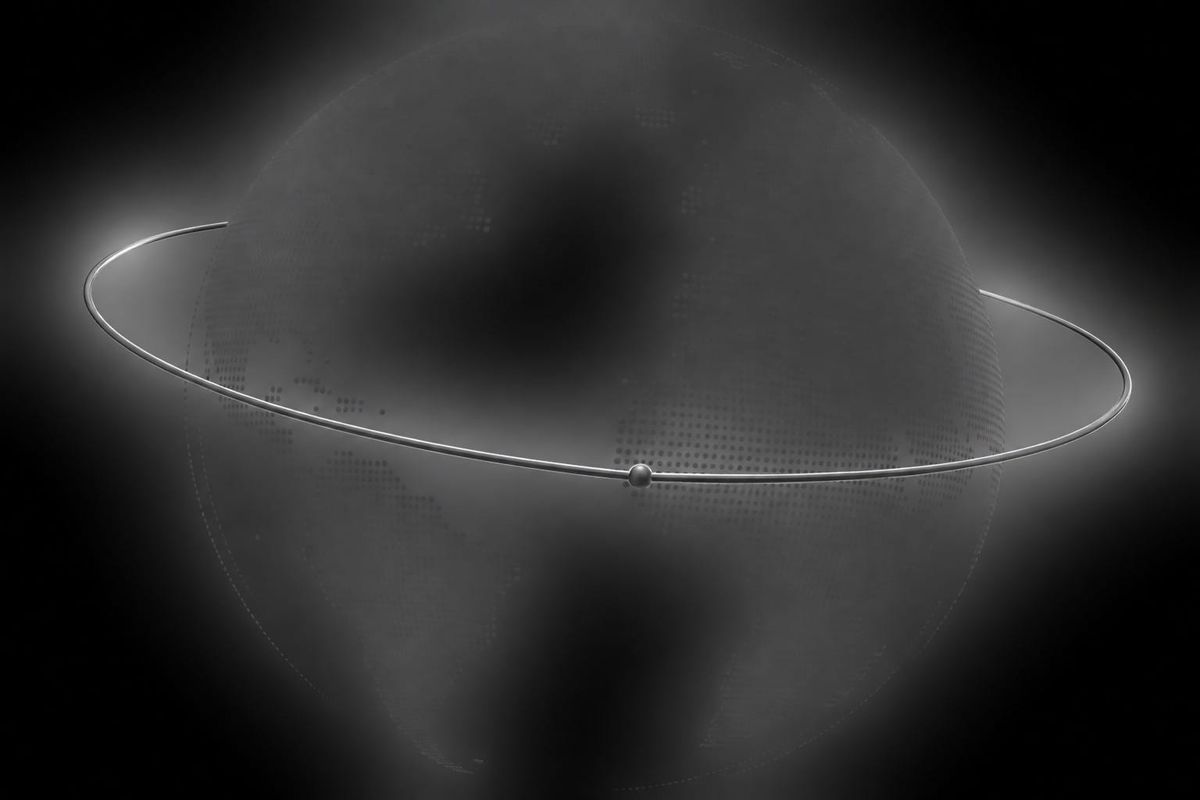
During my recent visit to Public Art Munich Focus Year 2026, I found myself wandering the city with a fresh set of eyes. From 1 May to 31 August, Munich becomes an expansive open-air gallery. Instead of the usual museum environment, art meets the bustle of city life in streets and squares. This year's event brings together six art projects that breathe life into public spaces, inviting residents and visitors to rethink their urban surroundings.
Experiencing Art in Everyday Places
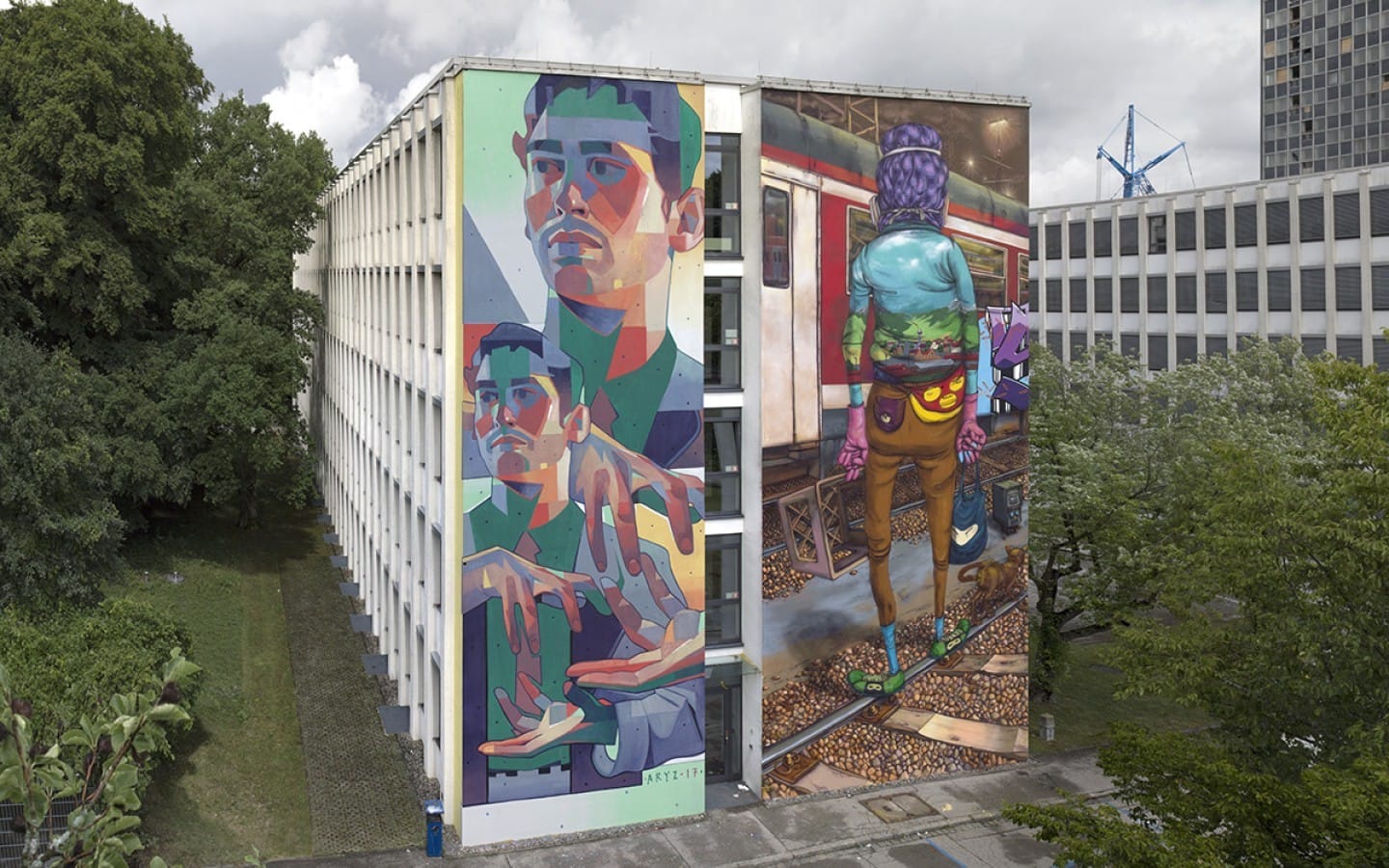
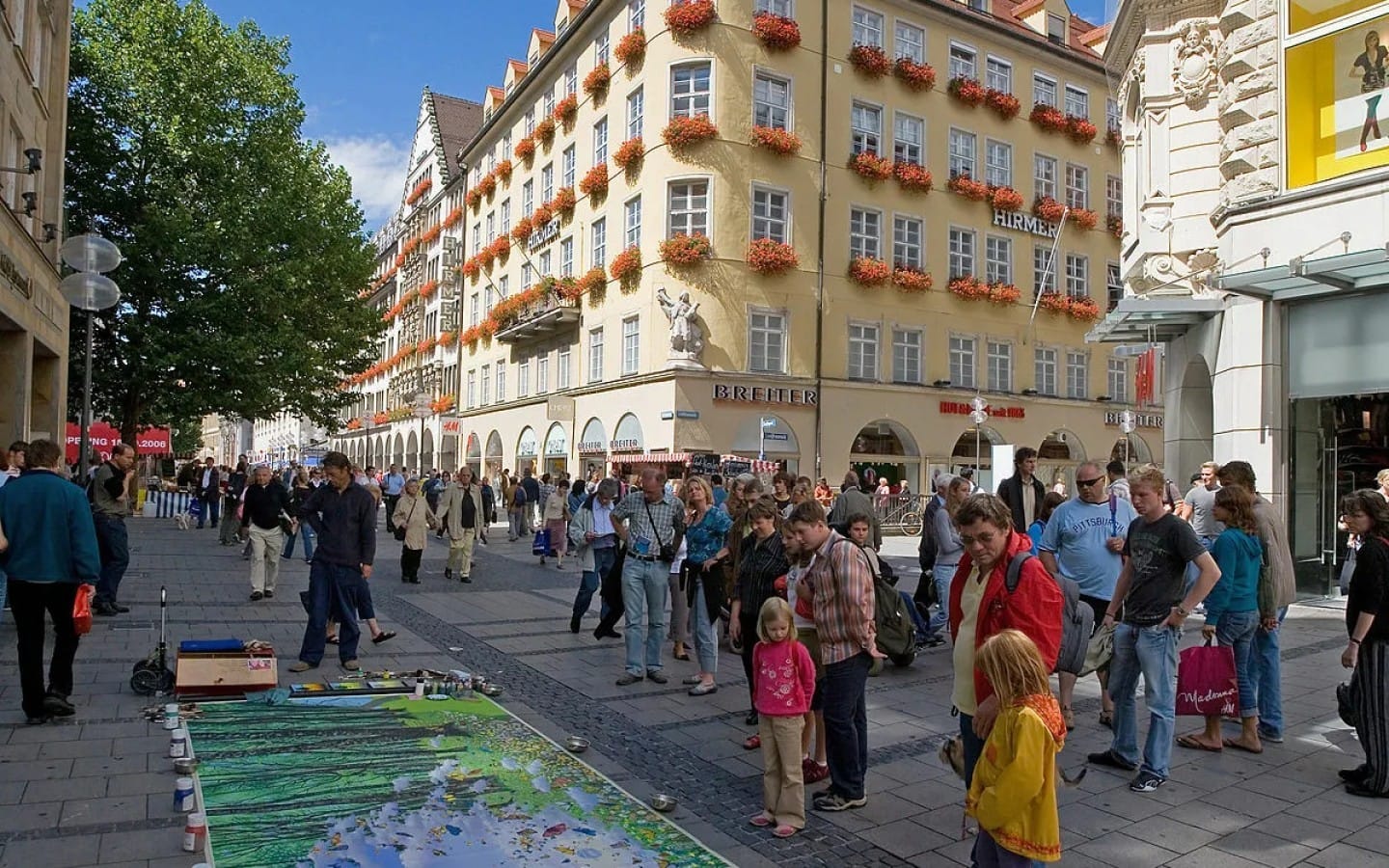
What fascinates me about Public Art Munich Focus Year 2026 is its mission to transform ordinary spots into canvases. Walking through Munich, I noticed how art pieces seemed to emerge from the very fabric of the city. The curators have crafted a diverse program with public excursions, performances, and artistic walks that invite exploration and reflection. This initiative by Public Art München and the City of Munich’s Cultural Department throws convention aside, using the urban landscape as its backdrop. It's less about shifting art from the gallery to the street and more about making art an integral part of the daily hustle.
The projects I encountered varied in approach and scale. Some were subtle, enhancing the pathways I followed with whispers of creativity woven into the scenery. Others were bold and demanded attention, reshaping familiar landmarks into thought-provoking statements. This range of expressions ensures that there is something to capture the imagination of every passerby, no matter their familiarity with contemporary art.
Reasons to Visit Munich's Open-Air Festival
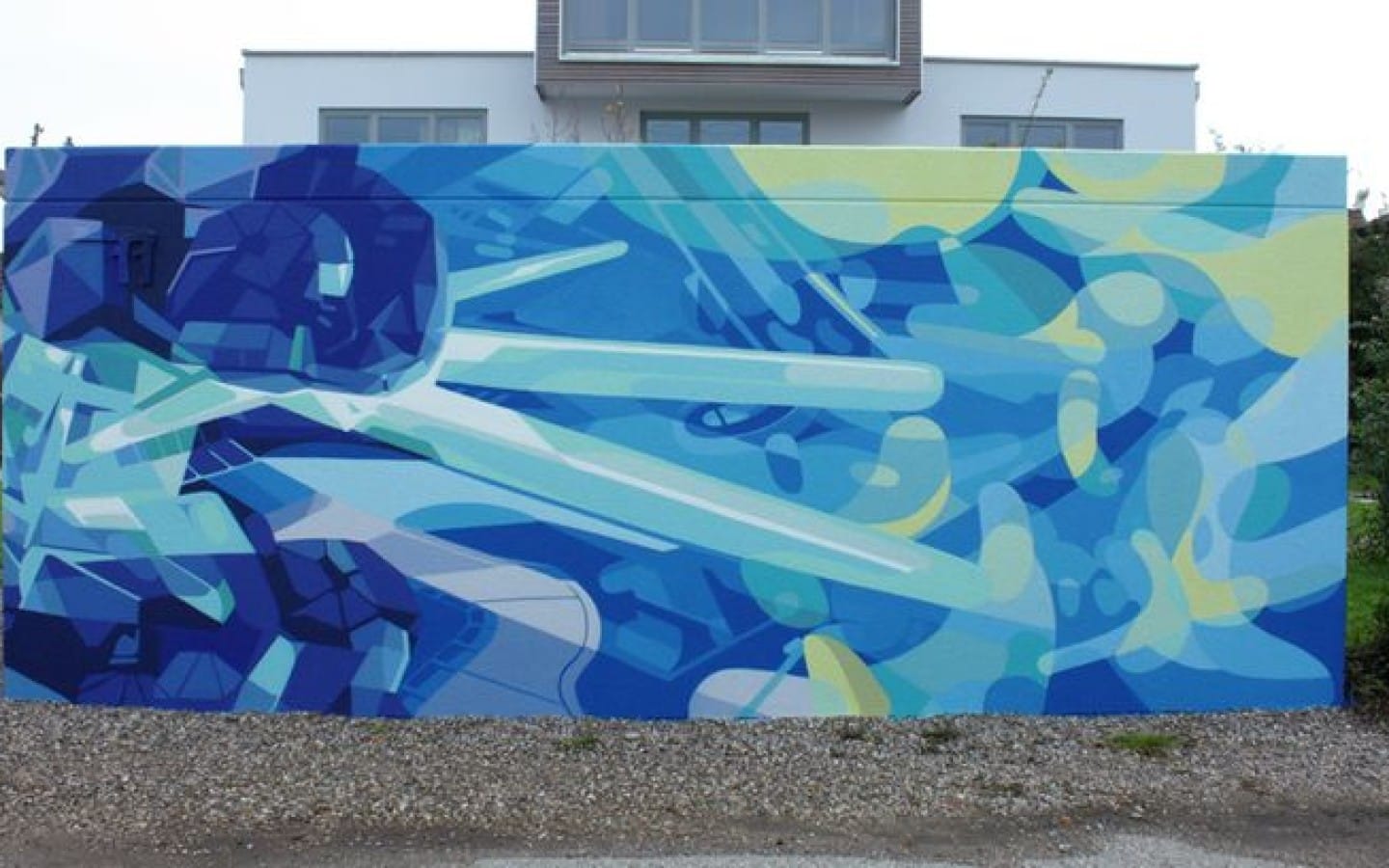
I found that experiencing art in this way is both exciting and unpredictable. Unlike galleries, where the setup is controlled, the streets bring a dynamic element to the work. The rich variety of site-specific practices and performances showcased how artists respond to Munich itself, blending art with the natural and man-made environment. Whether you're a contemporary art fan or a casual observer, this festival is easily accessible. No extensive background in art is necessary to enjoy what's on offer. Plus, seeing art outside adds a layer of surprise and discovery to exploring Munich beyond its usual tourist spots.
For those with a keen interest in cultural travel, this festival is a golden opportunity to delve deeper into Munich's less-traveled paths. Wandering between installations, I often found myself pausing not just to look at the art, but to appreciate the integration of these pieces within the spaces they inhabit. This leads to unexpected interactions and a renewed appreciation for the city's multifaceted character.
Reaching Munich and Navigating the Show
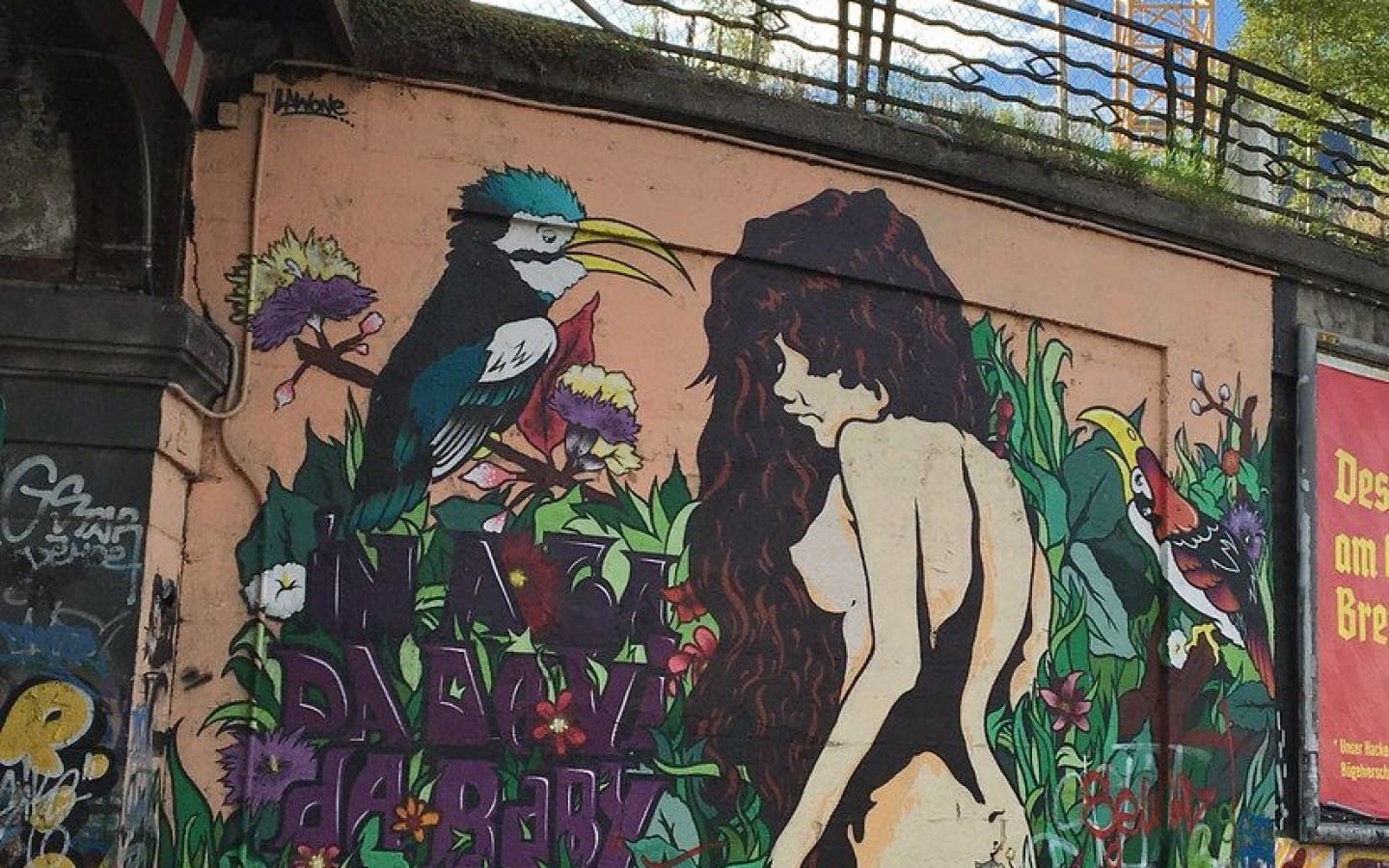
Getting to Munich for this event is straightforward. Most international visitors fly into Munich Airport, well-connected to the city center. The city's public transport—U-Bahn, S-Bahn, trams, and buses—makes it easy to glide between art sites. With projects scattered across the urban landscape, grouping nearby sites is a smart move. You’ll likely find me with a map in hand, planning my adventures based on proximity, allowing for a leisurely, immersive experience.
As I hopped from one art venue to another, the efficiency of the transport system was a relief. It enabled me to cover much ground without the hassle of navigating traffic or parking. Each day unfolded a new collection of art, integrated seamlessly into the daily life of the city.
Choosing the Right Place to Stay in Munich
For accommodation, I recommend the city center as a strategic base. This area offers easy access to the various art installations, meaningful sights, and delectable dining options. Maxvorstadt is my pick for those keen on art, with major museums nearby. Marienplatz serves well for first-timers, providing both historic flair and connectivity. I ventured into Schwabing, attracted by its lively cafes and creative vibe. Regardless of the choice, staying near good transit links is key to moving freely around the city.
Budget-conscious visitors can also find comfortable places just outside the central zone. As long as there's convenient transport access, you won't miss out on the action, allowing you to enjoy Munich's art scene without breaking the bank.
Insights into Munich's Artistic Traditions
Munich has a long-standing commitment to public art, embedding it within its cultural identity. The Public Art Munich Focus Year 2026 builds on this, favoring interaction over isolation. Instead of allowing art to remain as static sculptures or mere enhancements, this program regards the city as a vibrant stage for action and reflection. Today, as cities face commercialization and surveillance, this kind of art has the power to disrupt and engage audiences, inviting them to see their surroundings in new ways. This aligns with broader trends in contemporary art, as more artists step outside traditional galleries to interact with the world through temporary installations and participatory events.
This year’s focus on integration rather than isolation is a significant evolution of that tradition. Contemporary public art projects often challenge perceptions, encourage community dialogue, and invoke a sense of shared experience, something this festival fully embodies.
Planning Your Visit: Practical Tips
Before heading out, I checked the official program details online for performance times and locations. Each project conveys its message best when given time to absorb its connection to its setting. Comfortable shoes are a necessity, as many installations span public routes or unfold along riverbanks. Being open to engage, whether by observing or participating, adds depth to the experience. Mixing a visit to this festival with trips to Munich's well-established museums—like Pinakothek der Moderne or Haus der Kunst—enhances the understanding of the art presented outdoors.
Balancing these outdoor experiences with time inside galleries offered a complementary perspective. Such contrast enriched my overall experience, underlining the diverse ways art can interact with an audience.
Embracing Art in the Heart of Munich
I learned to adapt while experiencing Public Art Munich Focus Year 2026. Weather, people, and the city's rhythms all play a role in this unfolding art narrative. The most touching moments are often unplanned, like when a piece transforms a familiar street corner into something unexpectedly compelling. As I see it, this focus on shared spaces and daily life renegotiates our engagement with art, making it a living, breathing part of the cityscape. For those eager to see art unconfined and responsive to place, Munich during Focus Year 2026 offers a refreshing perspective.
In a city brimming with history and architectural delight, the event not only adds to Munich's cultural richness but reshapes it, turning every corner into a potential museum of contemporary thought.
Claire Bennett for ArtexpoWorld.com