Pushkin State Museum of Fine Arts - International & Classical Exhibitions 2026
Claire Bennett explores the Pushkin Museum's 2026 exhibitions, linking Russian audiences with global art legacies.

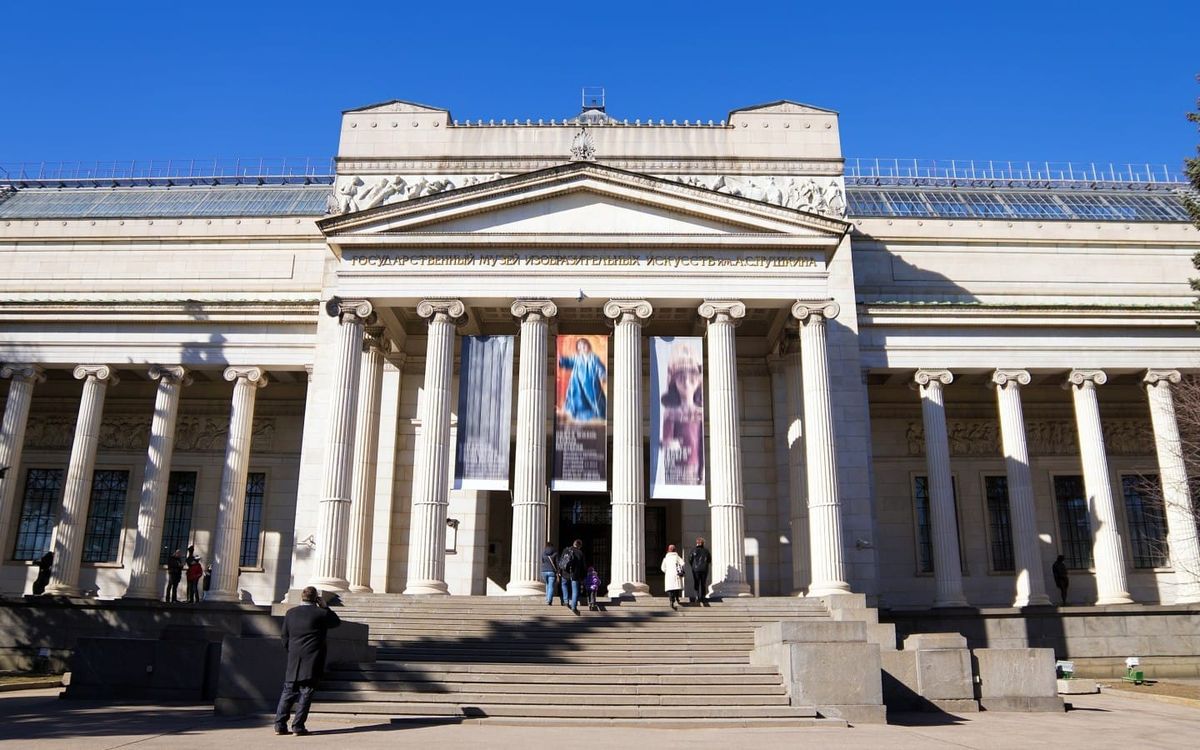
The Pushkin State Museum of Fine Arts - International & Classical Exhibitions 2026 offers an incredible journey through global art traditions. Stepping into this revered space in Moscow, I was immediately struck by how seamlessly the museum connects Russian audiences with the broader sweep of world art. Walking through its grand halls, I felt the pull of history and innovation in a place that serves as a key cultural bridge.
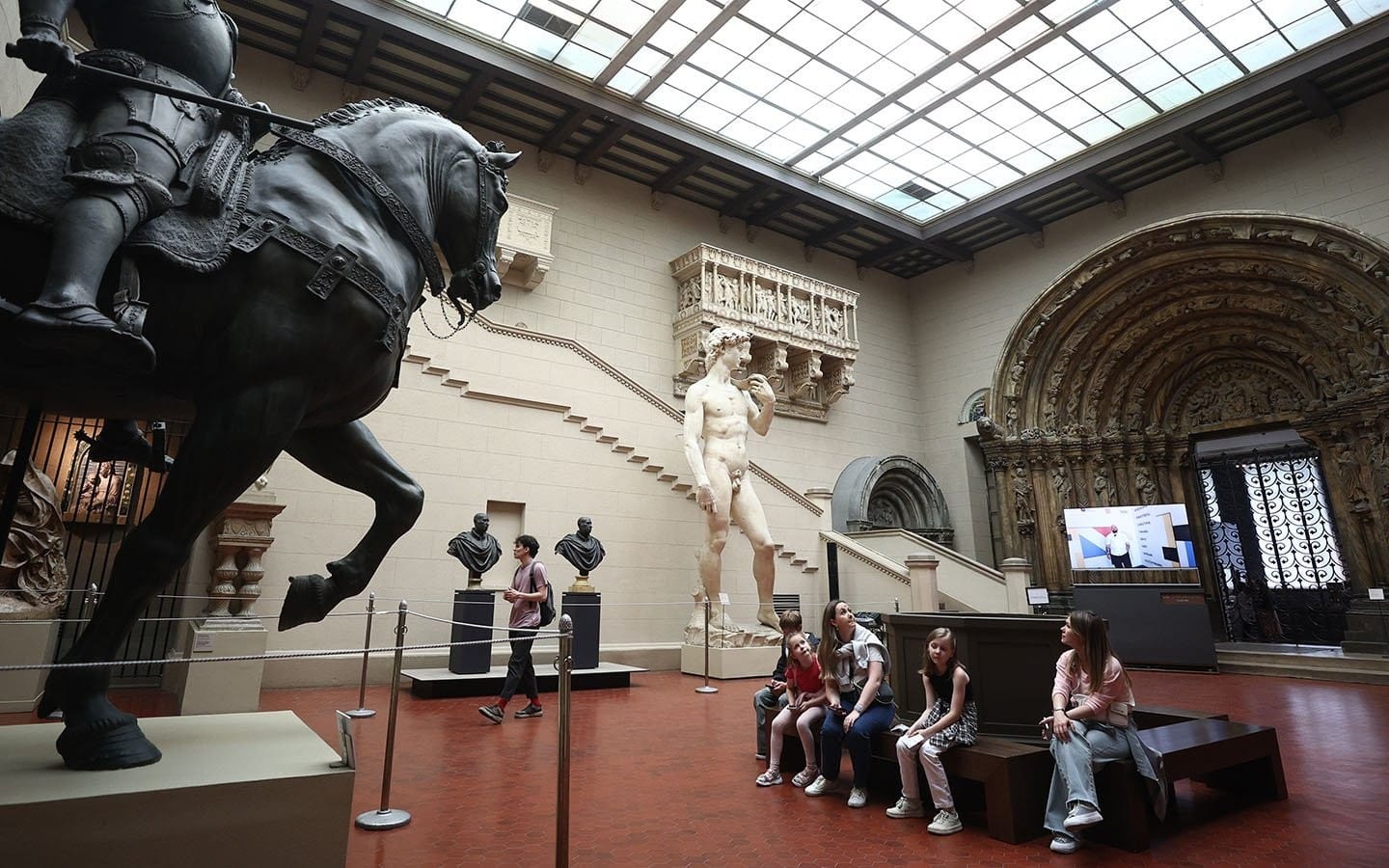
The Global Art Encounter at Pushkin Museum
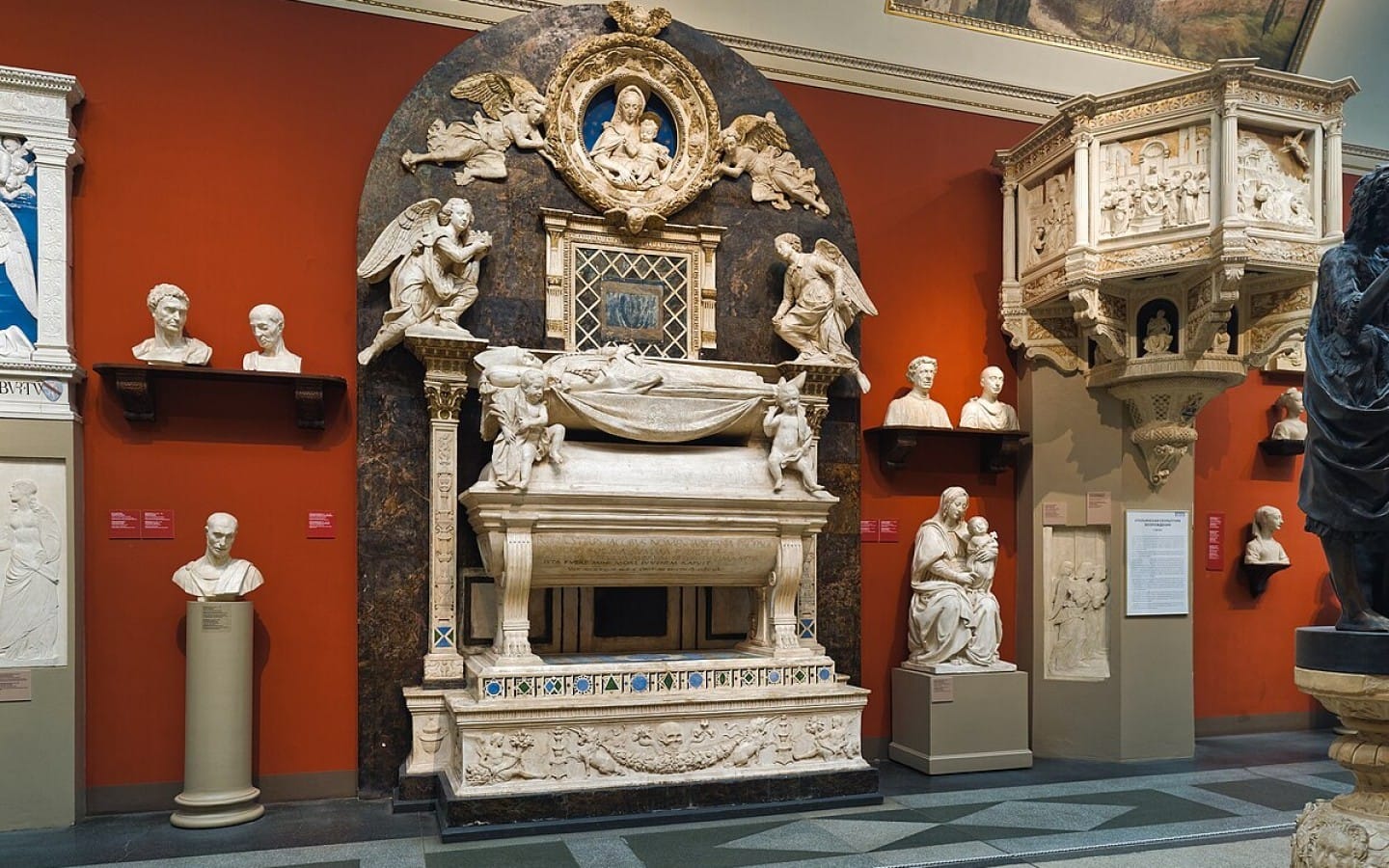
A visit to the Pushkin Museum in 2026 feels like opening a door to varied cultures and epochs. The exhibitions blend ancient artifacts, pieces by European masters, and contemporary works. Each gallery is thoughtfully arranged to reveal connections between these diverse elements, emphasizing shared human experiences across time. When I stood before the majestic ancient sculptures and vibrant Renaissance paintings, I couldn't help but marvel at the museum’s ability to create a dialogue between past and present.
The year-round exhibitions serve not just as a visual feast but as a bridge fostering deeper understanding and exchange between different cultural perspectives. Thanks to well-developed curatorial narratives, I found myself captivated by stories about artists and their contexts. These insights added an enriching layer to the visual aspects, inviting me to think deeper about art’s role in reflecting and shaping human culture. Whether ancient pottery from Greece or bold modernist strokes from European painters, the exhibitions highlight the vastness of human creativity.
Visitor Experience: Engaging with Art at Its Finest
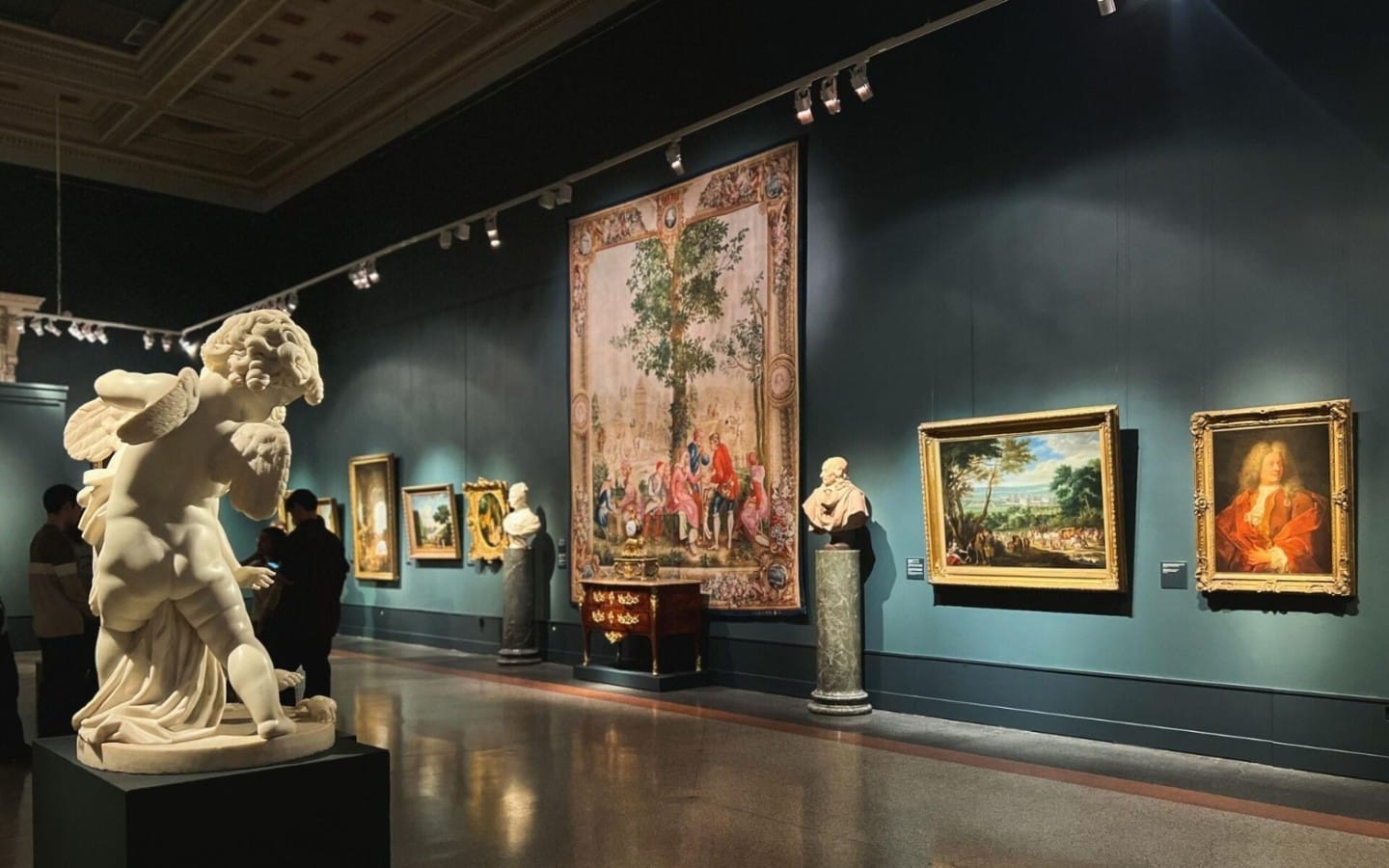
The Pushkin Museum is widely regarded as Russia’s leading window into the world’s art horizons. Its exhibitions in 2026 continue that mission by assembling works from ancient civilizations to modern art across global boundaries. I was fortunate enough to view rare pieces on loan from prestigious collections worldwide. One highlight was a stunning piece of Egyptian antiquity—a breathtaking artifact that spoke volumes about ancient crafts and spiritual beliefs.
Besides the exhibitions, engaging educational programs abound. These include lectures from renowned art historians, and publications that delve into the thematic essence of the exhibitions. Whether through detailed exhibition catalogues or engaging talks, these additional resources offer a richer understanding of the art. I left feeling not just inspired, but enlightened by the wealth of information that contextualized the visual wonders. The educational offerings help bridge the gap between the distant past and our present reality, deepening our grasp of art’s universal language.
Finding Your Way: A Practical Guide
Getting to the Pushkin State Museum of Fine Arts is straightforward. It’s centrally located on Volkhonka Street, not far from the iconic Kremlin. The proximity to other cultural landmarks makes visiting the museum part of a fuller cultural experience in Moscow. Traveling by Moscow Metro is convenient, with Kropotkinskaya station being the nearest stop. As you emerge from the metro station, the city’s vibrant atmosphere and architectural beauty serve as a fitting precursor to the treasures housed within the museum’s walls. For those venturing beyond the museum, Moscow offers a plethora of dining and sightseeing options within walking distance, making a day of it is highly rewarding.
The Museum's Storied Past
Founded in 1912, the Pushkin Museum has crafted a legacy as a beacon of international art in Russia. Initially established with the vision of connecting Russian society with world-class art, it has evolved into a bastion of academic and cultural exchange. Over the decades, the museum has consistently strived to bring influential exhibitions that not only showcase incredible artworks but also promote a dialogue on cultural understanding.
The museum's founders envisioned a place where Russian audiences could experience the artistic achievements of other cultures, enriching local perspectives in the process. Today, it stands as a testament to that founding vision—celebrating its history while continually pushing boundaries in exhibition practice. This long-standing tradition is evident in the museum’s commitment to marrying historical pieces with contemporary storytelling techniques, enabling each visit to feel fresh and alive with discovery.
Tips for a Richer Art Experience
Visiting the Pushkin Museum, especially during major exhibitions, can be a busy affair. I found getting there early to be a good strategy, as it allowed me to explore without the crowds. This is especially useful for the temporary exhibitions which often feature extensive multimedia displays and contextual information that merit taking the time to fully absorb. Allowing extra time for these can greatly enhance your understanding and appreciation.
Another tip is to engage with the museum staff and guides. Their insights can offer deeper understanding and unique perspectives that aren't always apparent from the exhibition materials alone. Whether it's a fascinating anecdote about a particular piece or broader context about an artist’s life, their knowledge adds layers to the experience. Additionally, taking advantage of audio guides can offer a personal touch, enriching your journey through the museum with curated insights just for your ears.
Reflections from a Curator’s Perspective
As a curator, I see the Pushkin State Museum of Fine Arts 2026 program as a vital touchstone for cultural exchange. Each carefully curated exhibition offers visitors the chance to absorb art history on a global scale, informed by the museum’s robust scholarly approach. Here, art transcends borders, encouraging dialogue and understanding among diverse cultures.
Walking through the museum, I observed not only the beauty of the exhibits but also the palpable enthusiasm of other visitors. The Pushkin Museum successfully fosters a sense of community among art lovers, scholars, and casual visitors alike. This shared passion for art and discovery is what makes visiting the museum such a rewarding experience. It’s a hub where history, culture, and personal reflection beautifully intermingle, inviting both awe and thought. From individual contemplation in quiet corners to animated discussions in bustling galleries, the museum stands as a living testament to art’s enduring power to connect and inspire.
Claire Bennett for ArtexpoWorld.com