Rencontres d’Arles 2026
Explore the powerful narratives and breathtaking exhibitions at Rencontres d’Arles 2026, a celebration of photography across historic venues in Arles.

I recently spent the summer wandering through Rencontres d’Arles 2026. Spread across Arles, France, this photography festival is woven into the city's fabric. It runs from July through October, inviting visitors to plunge into a world where photography stands as an essential artistic language.
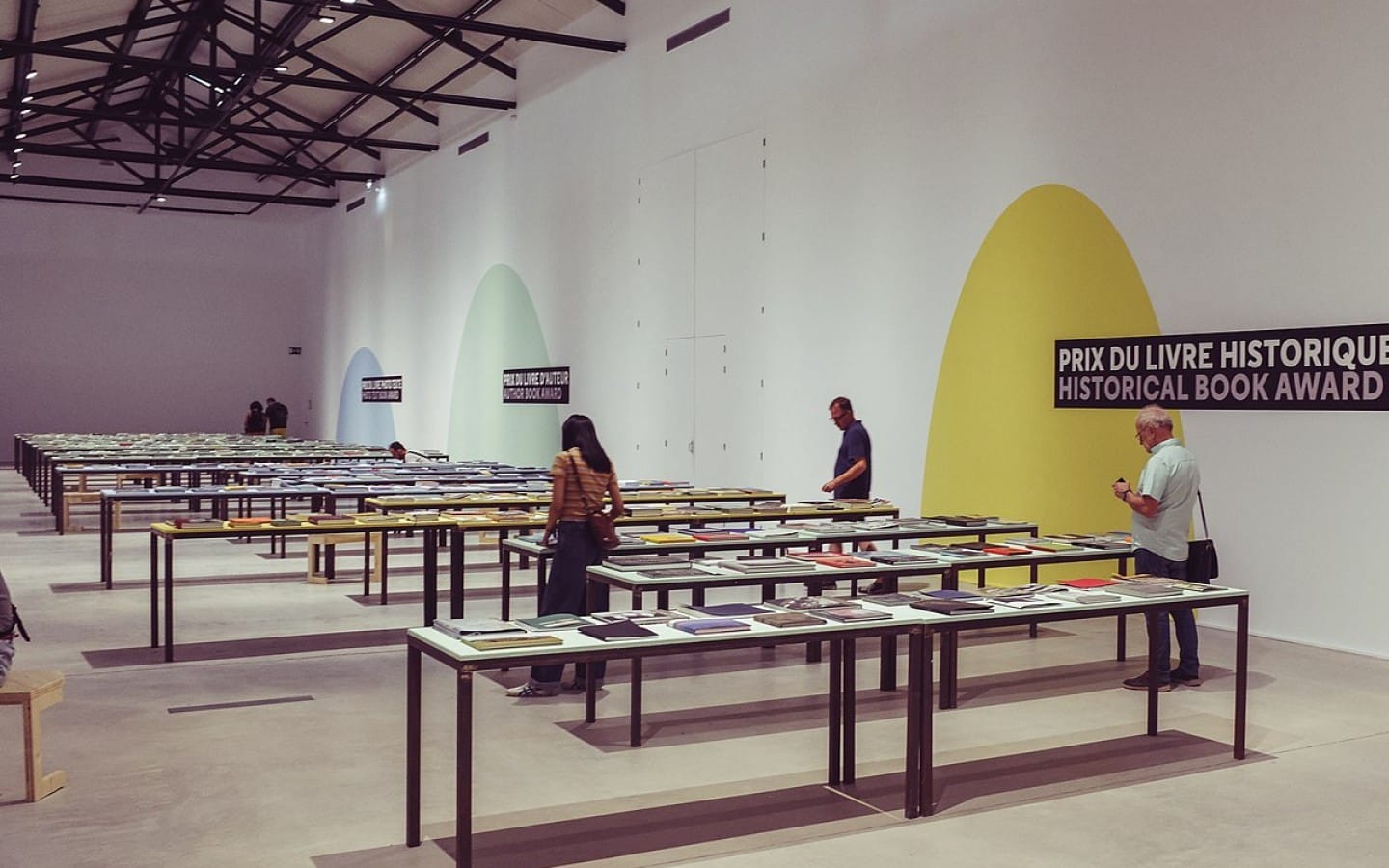
A Summer of Photographic Exploration
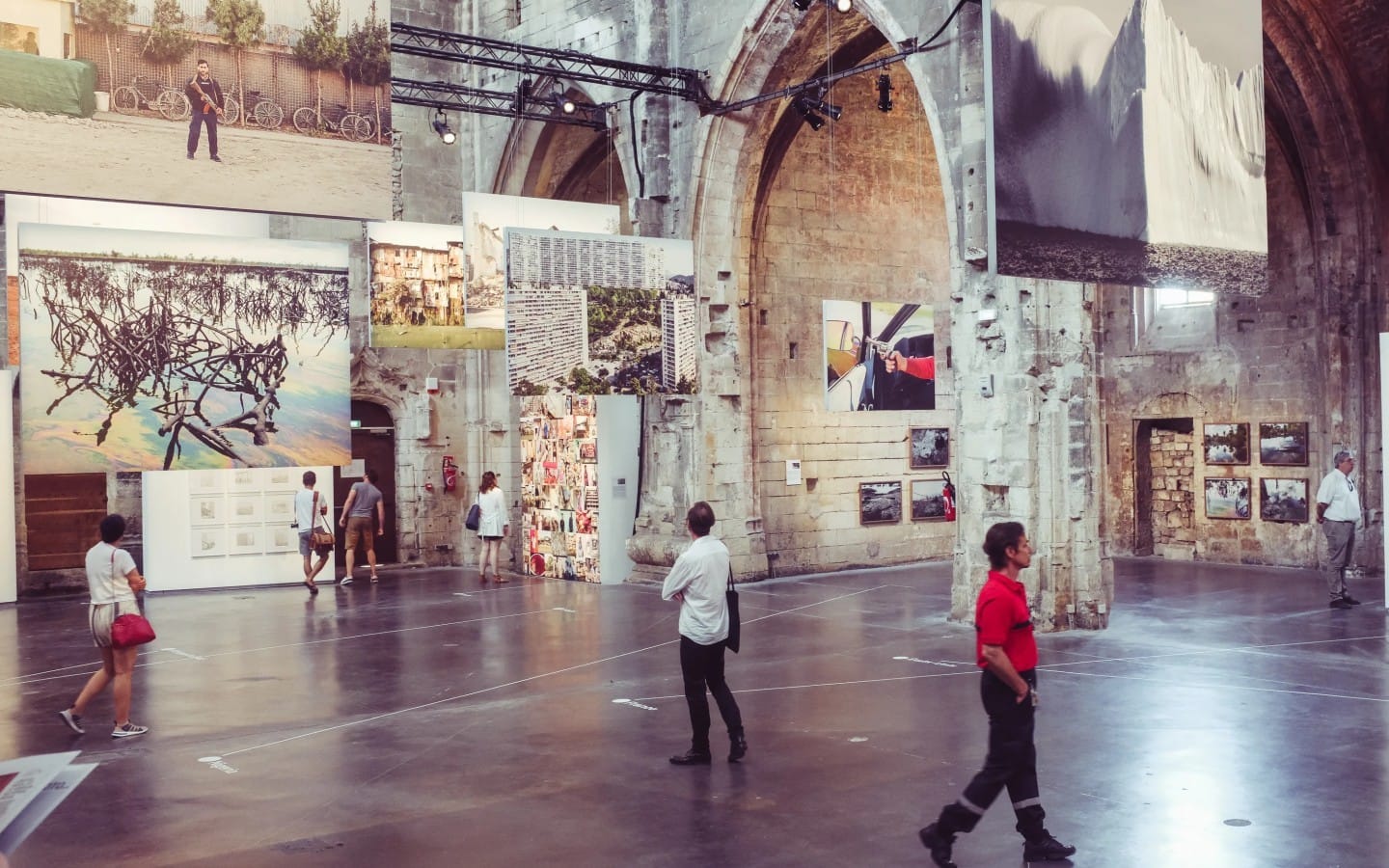
Arles, with its ancient streets and historical charm, forms a remarkable backdrop for Rencontres d’Arles 2026. This festival, alive since 1970, transforms the city into a vibrant hub of visual storytelling. Under this year's theme, 'Worlds to Revisit', Arles challenges visitors to investigate overlooked narratives and question our understanding of the past. The theme is not just a catchy phrase. It pushes us to look beyond the surface and reconsider stories and histories that might have been misunderstood or simply forgotten. Through the lens of photography, this edition invites a reevaluation of perspectives and an engagement with untold stories.
Walking through the various exhibitions, I was struck by how the festival uses the city’s heritage sites to engage with art. Each venue, whether a Roman amphitheater or a tucked-away gallery, adds a unique dimension to the pieces displayed. These locations become dynamic spaces where images speak not only through their content but also through dialogue with their surroundings. The festival successfully turns the entire city into a canvas for artistic and cultural reflection.
Why I Found It Unmissable
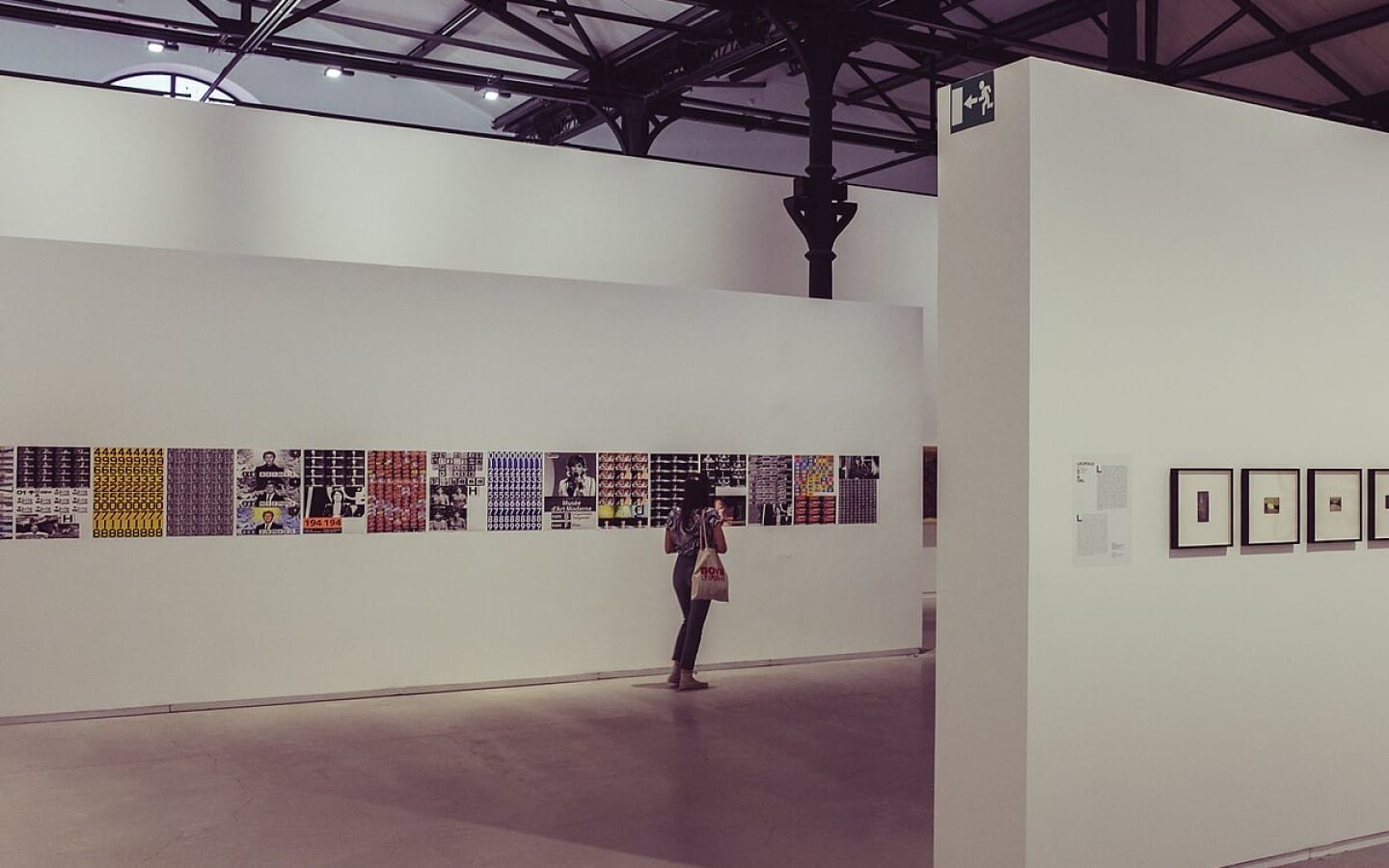
The scale and depth of Rencontres d’Arles 2026 make it a compelling destination for any photography fan. This festival offers a dense program of exhibits, from both seasoned photographers and fresh voices. During the bustling opening week, Arles becomes a meeting ground for artists, curators, and industry insiders—a must for anyone serious about photography. The diversity of exhibitions gives access to many perspectives and stories that aren't typically showcased in mainstream settings. It's a rare opportunity to see how international photographers interpret a variety of themes, from political climates to personal histories.
Moreover, experiencing the exhibitions across Arles felt like uncovering treasures hidden within the city itself. The Roman architecture and Provençal atmosphere added a unique flavor to each show. It’s not just about visiting a series of galleries but about immersion in an environment where history and modern art coexist. For cultural travelers, this duality of ancient and contemporary can make a visit to Arles all the more enriching.
Navigating to Arles
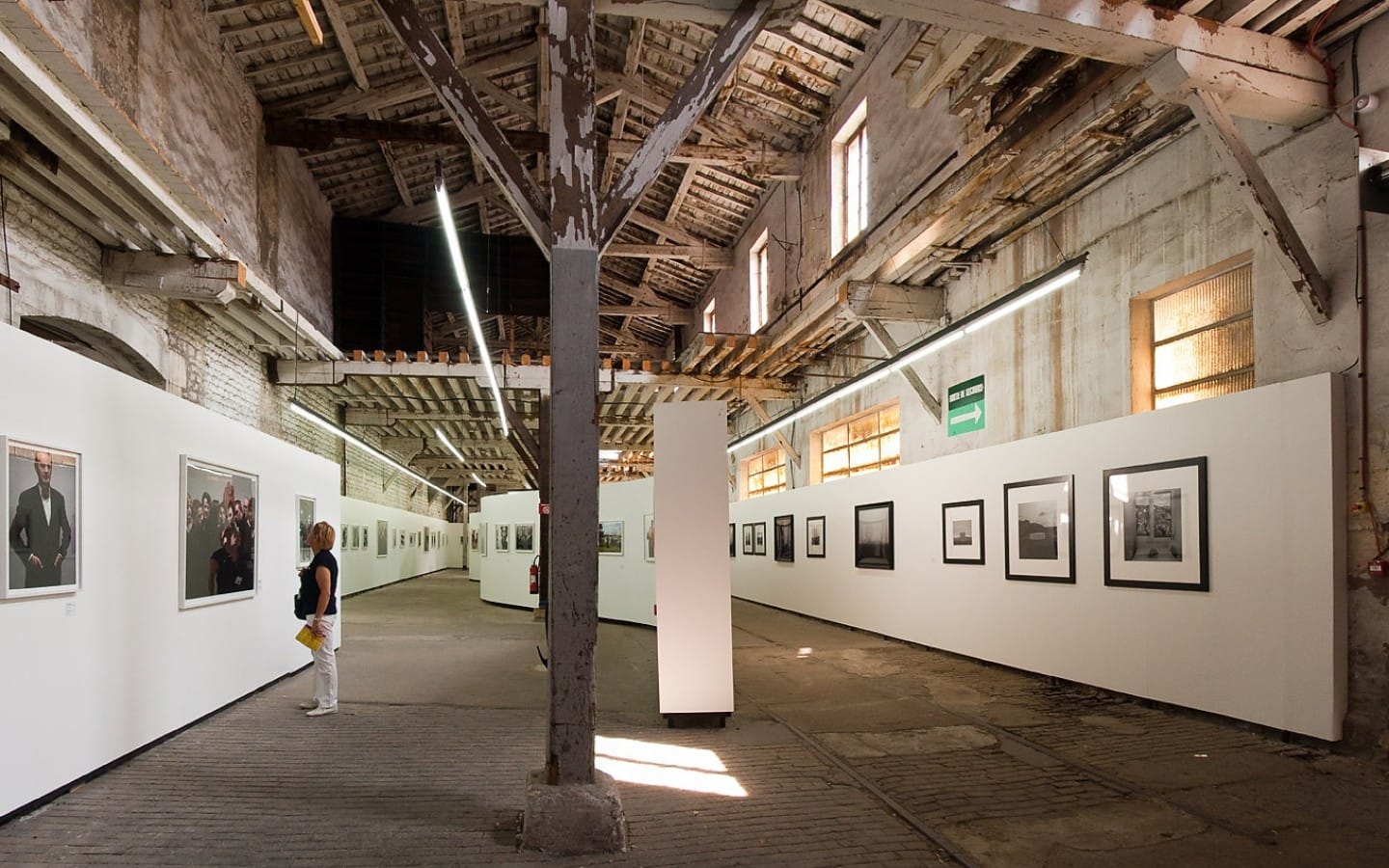
Getting to Arles is straightforward. Trains connect the city with major places like Marseille, Avignon, and Paris, making it easy for both domestic and international travelers to visit. I flew into Marseille and took a short train ride to Arles. From there, the charm of the city unfolded with each step. Exploring the festival by foot was delightful, allowing me to soak in the ambience and discover various venues nestled in the historic center. The compact nature of Arles means that many venues are just a pleasant stroll away from each other. If you're staying longer, Arles also promises day trips to picturesque regions of Provence, such as the Camargue or Nîmes. These add an extra layer to your trip, allowing you to appreciate the serene beauty of the French countryside while reflecting on the art you've encountered.
Where to Rest Your Head
The historic center's charm made it a perfect base for me during the festival. Accommodation can get booked up fast, especially around opening week, so planning early is key. Staying centrally meant that I could take leisurely evening walks through cobbled streets after a day of exhibitions. I found staying a bit outside the center offered a tranquil escape while still being accessible. For something different, Avignon and Nîmes are viable options, though they require more travel time. Each city offers its own slice of southern French culture and history. For those seeking luxury, Provence’s countryside holds boutique hotels that offer a serene getaway. These accommodations not only promise comfort but can also provide a comprehensive cultural experience, blending relaxation with the arts.
A Bit of Festival History
Spearheaded by notable figures like Lucien Clergue, Rencontres d’Arles has carved out a prestigious spot in the art world since it first emerged in 1970. Arles itself contributes significantly to the festival’s identity, with its rich history and architecture turning every viewing into a layered experience. The festival has always had a knack for discovering and supporting new talent, making it a birthplace for many artists who’ve since gained wider recognition. Photography here represents more than just an image—it's an interrogation of memory, identity, and history. Each year, the festival pushes the boundaries of what photography can signify, prompting questions about who is telling the story and why it matters.
Planning Your Visit
I recommend setting aside several days to do the festival justice. The exhibitions, dispersed throughout different locales, are best savored slowly. Rather than rushing through, taking time with each exhibit allowed me to absorb the cultural dialogue embedded within the artwork. Opening week is the epicenter of activity, rich with previews and bustling with professionals. Be prepared for crowds, especially since Arles can get quite warm in the summer months. Comfortable shoes and plenty of water were lifesavers as I navigated between venues. If possible, secure tickets in advance to avoid missing key exhibitions. And don't forget to check the festival programme frequently, as it can include a variety of talks, workshops, and events that enrich the experience.
Personal Tips and Reflections
My advice for Rencontres d’Arles is to dive beyond the surface-level exhibits. The festival's power lies in how photography intersects with the city’s aura. The rhythm of Arles, its sunlight and architecture, infuses the entire event with a depth that's different from static gallery shows. Give yourself the luxury of time to revisit specific works; images can reveal new meanings upon subsequent viewings. The complexity of themes like memory and politics benefits from a slower, more reflective gaze. As I wandered through the city, I found the interplay between the photographic narratives and the physical space around them to be deeply impactful.
Ultimately, Rencontres d’Arles 2026 left a lasting impression. It engaged me in ways that went beyond visual stimulus, challenging me to reconsider what I know about photography, history, and the stories we keep. For anyone with a love of photography that transcends aesthetics, it’s an experience that lingers well beyond the closing of each exhibit. The festival not only celebrates the art form but also acknowledges its pivotal role in shaping our understanding of the world.
Claire Bennett for ArtexpoWorld.com