Rosa Elena Curruchich 2026/2027
Visit the MASP retrospective of Rosa Elena Curruchich's art, exploring her unique perspective on Maya Kaqchikel life.
Walking through the exhibition Rosa Elena Curruchich 2026/2027 at MASP in São Paulo felt like stepping into a world painted from the heart. Her pieces are small, yet so full of life and history that they seem much larger in meaning. This retrospective sheds light on her experience as a Maya Kaqchikel artist during turbulent times in Guatemala. Curruchich's work was often hidden from the public, both for personal safety and to protect her community's stories from being misunderstood.
A Deep Dive into Maya Kaqchikel Art
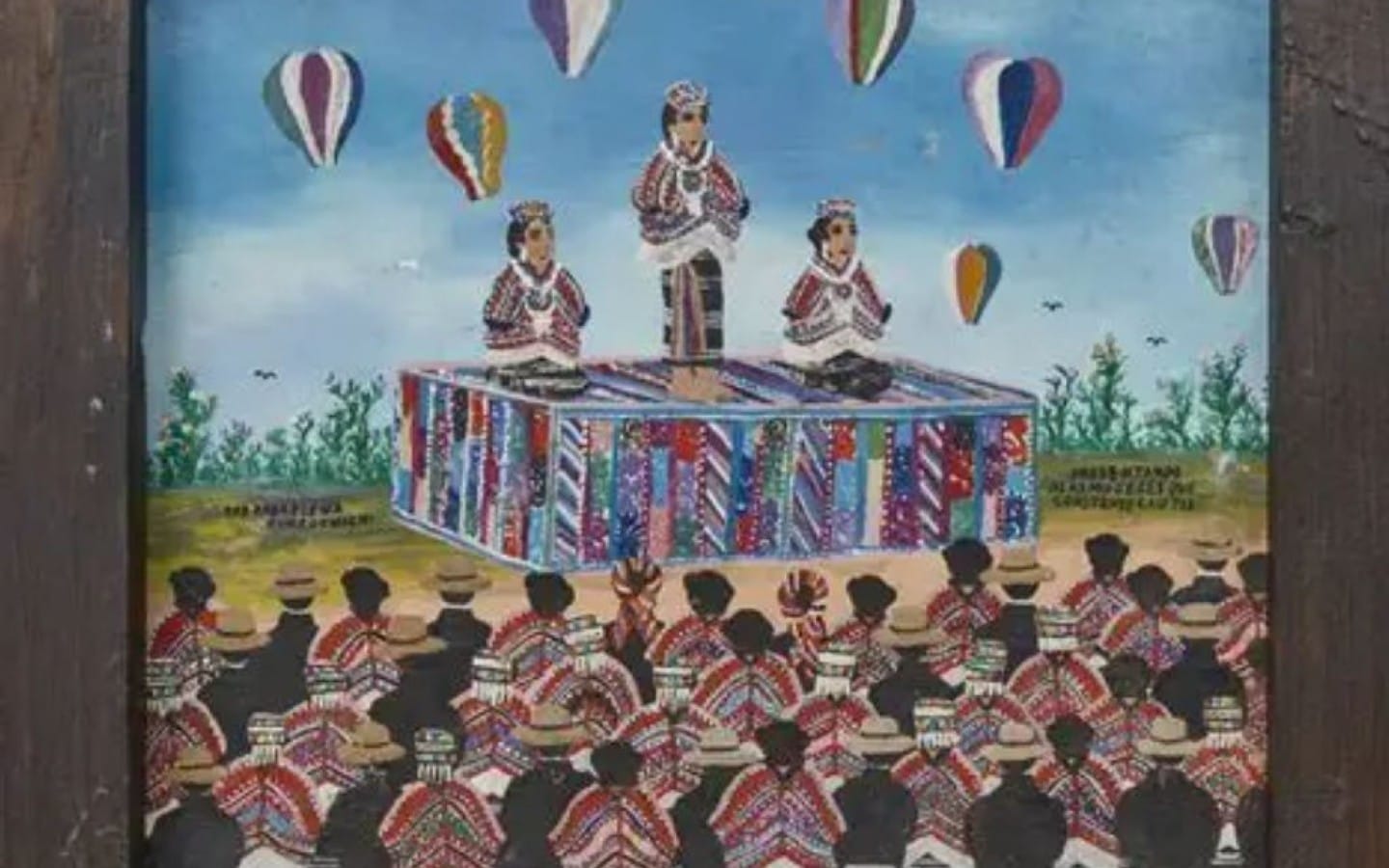
The exhibition spans from 30 October 2026 to 4 April 2027, housed in the renowned Museu de Arte de São Paulo. As I wandered through the halls, I became engrossed in Curruchich's intimate depictions of her people and their customs. Unlike many artists who document other cultures, she painted from within her community, capturing what she knew firsthand. Her paintings aren't just folk art, as they are often labeled, but a robust reflection of both personal and collective history. The initiative, titled Chronicles of Comalapa, repositions Curruchich in the broader context of Indigenous and Latin American art, highlighting her defiance in the face of societal constraints on women artists. It's not just a portrayal of cultural traditions but also an examination of gender roles within the Kaqchikel painting heritage.
Why This Exhibition Stands Out
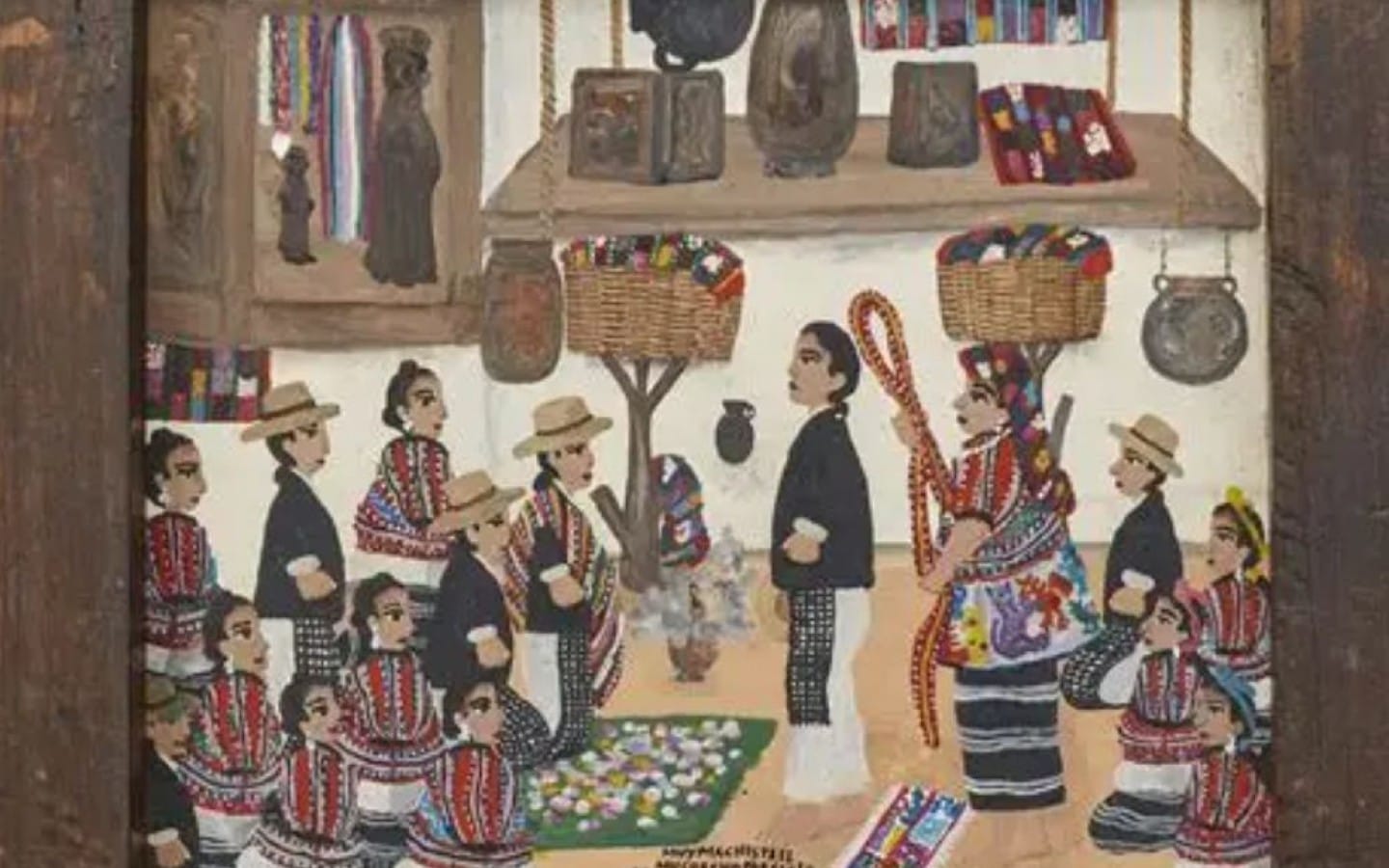
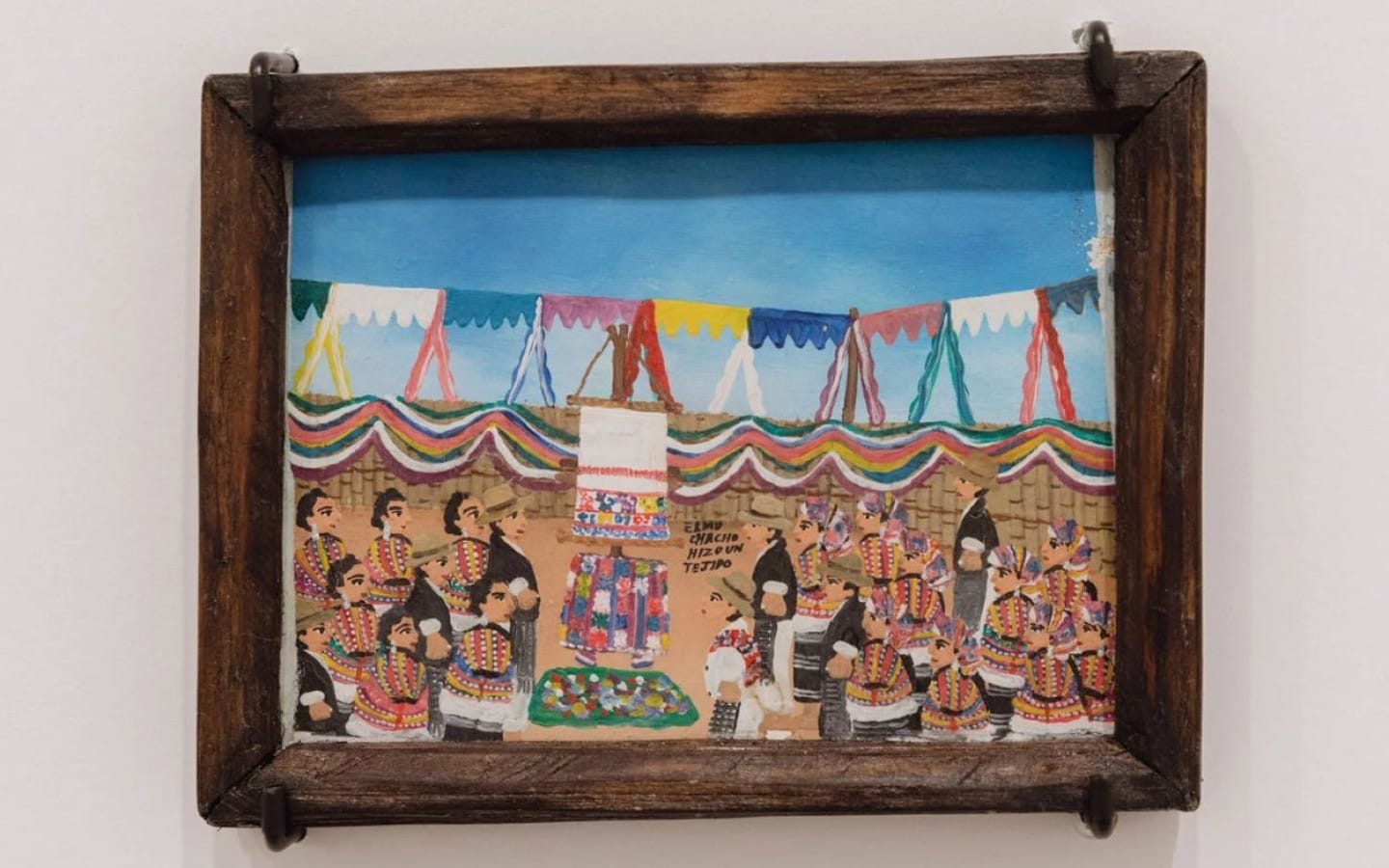
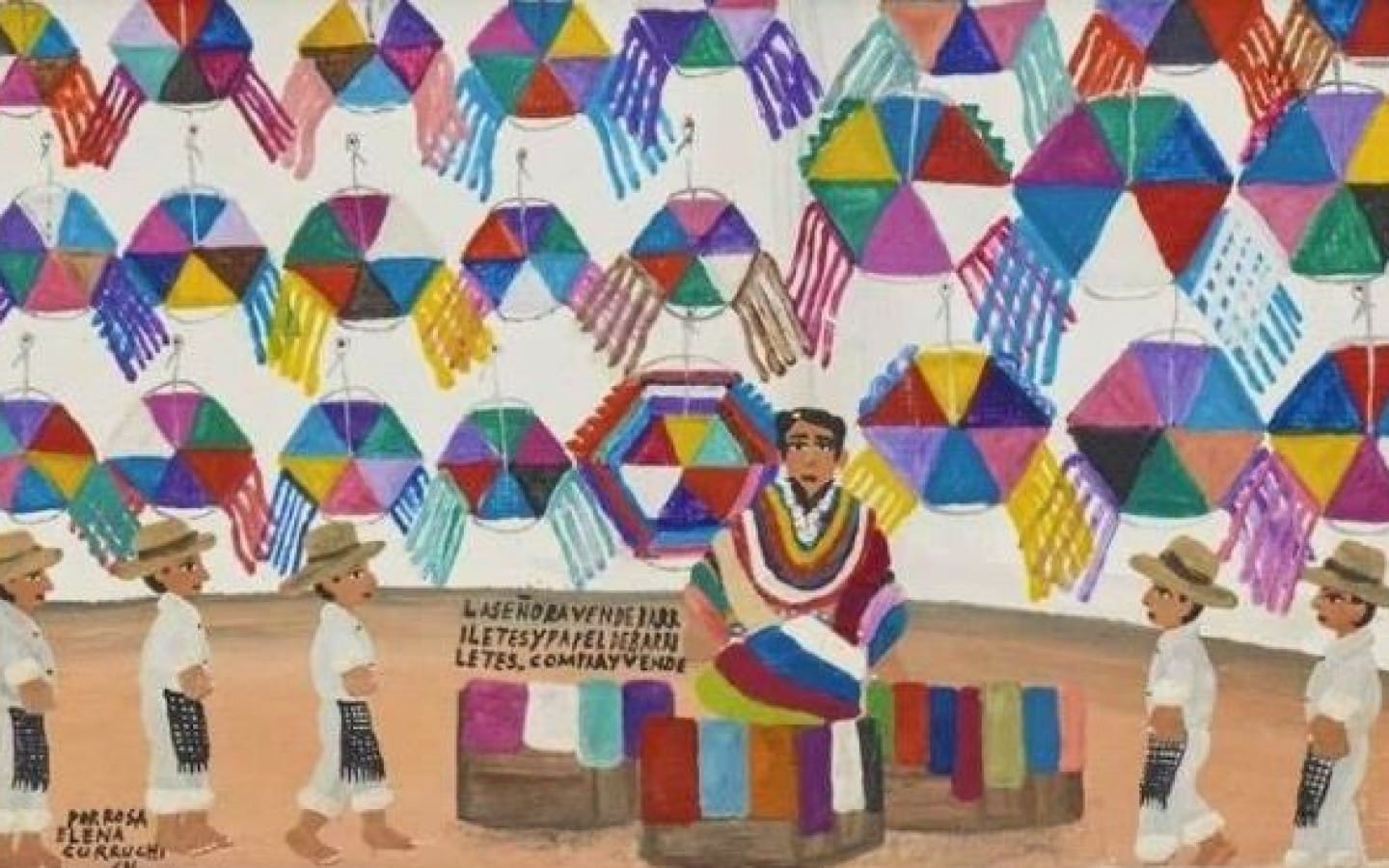
Seeing Curruchich's works up close overturns the notion that significant art needs grand canvases. Many of her paintings fit quietly in her hands, whispering rather than shouting their stories. This modest scale made it possible for her to carry her creations amidst the unrest and violence that marked Guatemala's civil war. Each piece offers a glimpse into everyday life — the intricate weave of a huipil or the subtle expressions of her subjects. For those intrigued by textiles, the personal and cultural significance of clothing in her work is profound. Feminists will find inspiration in her persistence, carving her path in an arena dominated by men. Her career confronted the barriers that often limited women's roles in the arts, making her achievements even more remarkable. For historians, her paintings serve as a visual diary of survival and daily life under siege, documenting a period of intense turbulence with grace.
Reaching MASP
For those planning a visit, MASP sits conveniently along Avenida Paulista in São Paulo. Getting there is easy, with the Trianon-MASP metro station nearby. A short walk from the station lands you at the museum's entrance, where the city's vibrant bus network and abundant taxi services make travel simple, even during peak times. International guests usually fly into São Paulo–Guarulhos International Airport, while Congonhas Airport serves more local routes. With São Paulo's notorious traffic, the metro is often a savvy choice for getting around swiftly. Avenida Paulista's central location also makes it accessible from various parts of the city, making it easier for visitors to include this must-see exhibition in their itinerary.
Staying Nearby
If you're looking for accommodations, the Jardins neighborhood is ideal. It offers a lovely mix of hotels, dining options, and vibrant art galleries right by Avenida Paulista. Meanwhile, Bela Vista provides practical lodging close to the museum. For those who enjoy contemporary art and nightlife, Pinheiros can be an exciting base, while Higienópolis offers a quieter vibe with its cultural spots. The area is home to various cultural institutions, allowing visitors to experience São Paulo's artistic diversity. Upscale travelers may prefer the luxury of Itaim Bibi, known for its high-end hotels and exquisite dining experiences. Wherever you end up, proximity to the metro can make exploration easier.
Exploring Rosa Elena Curruchich's Legacy
The story of Rosa Elena Curruchich is as poignant as her paintings. Born in Comalapa, Guatemala, in 1958, her artistic journey was rooted deeply in her heritage. Her grandfather was instrumental in establishing oil painting as a key visual art form in Comalapa. Yet, despite this rich family history, Curruchich faced prejudice due to her gender in a male-dominated tradition. The Guatemalan civil war added layers of complexity to her work's creation and distribution, as Maya communities endured severe repression. Her small-format pieces were not only practical in terms of concealment but also laden with meaning and resilience. During this brutal conflict, art became a method of documentation and resistance against cultural erasure. Her participation in the 60th Venice Biennale in 2024 marks a significant moment of international recognition for her work.
Appreciating the Details
Take your time with these paintings. Curruchich's attention to detail demands a slow, thoughtful approach. Observe how she captures the essence of daily life through subtle nuances — the attire, the gestures, the settings. Her works are not anonymous; they bear her stamp and speak volumes about her perspective. Notice how women's roles are portrayed, intertwining scenes of ordinary life with ceremonial depictions. Her paintings demonstrate how deeply connected her subjects are with their environment, immersing viewers in the interconnectedness of life and culture. It's this juxtaposition that brings a deeper understanding of the community's vibrancy and strength.
Understanding the Artist's Intent
Viewing Curruchich's art, don't assume that their smaller size equates to lesser intent. Each piece is a keen record of her community's life and endurance. Watch carefully who are chosen to perform certain tasks within her works, or who holds prominence in her frames. These choices are every bit as telling as the art's subject matter itself. The scenes she captured act as windows into a world that thrived despite adversity, highlighting individual and collective resilience.
Final Thoughts
Rosa Elena Curruchich: Chronicles of Comalapa captivates by turning mundane scenes into gateways to history. It demonstrates how the ordinary can profoundly anchor cultural memory. Bread-making and weaving become narratives of resilience. What may have once fit into a small, concealed space now garners attention in some of the cultural world's greatest venues. This reversal — from protected obscurity to celebrated exhibition — is perhaps the most striking narrative within Curruchich’s work, offering a testament to the enduring power of art as memory.
Claire Bennett for ArtexpoWorld.com