Sara Ramo: The Fury of the Living Remains 2026/2027
Explore Sara Ramo's unique exhibition, transforming the overlooked into art at São Paulo's Pinacoteca.


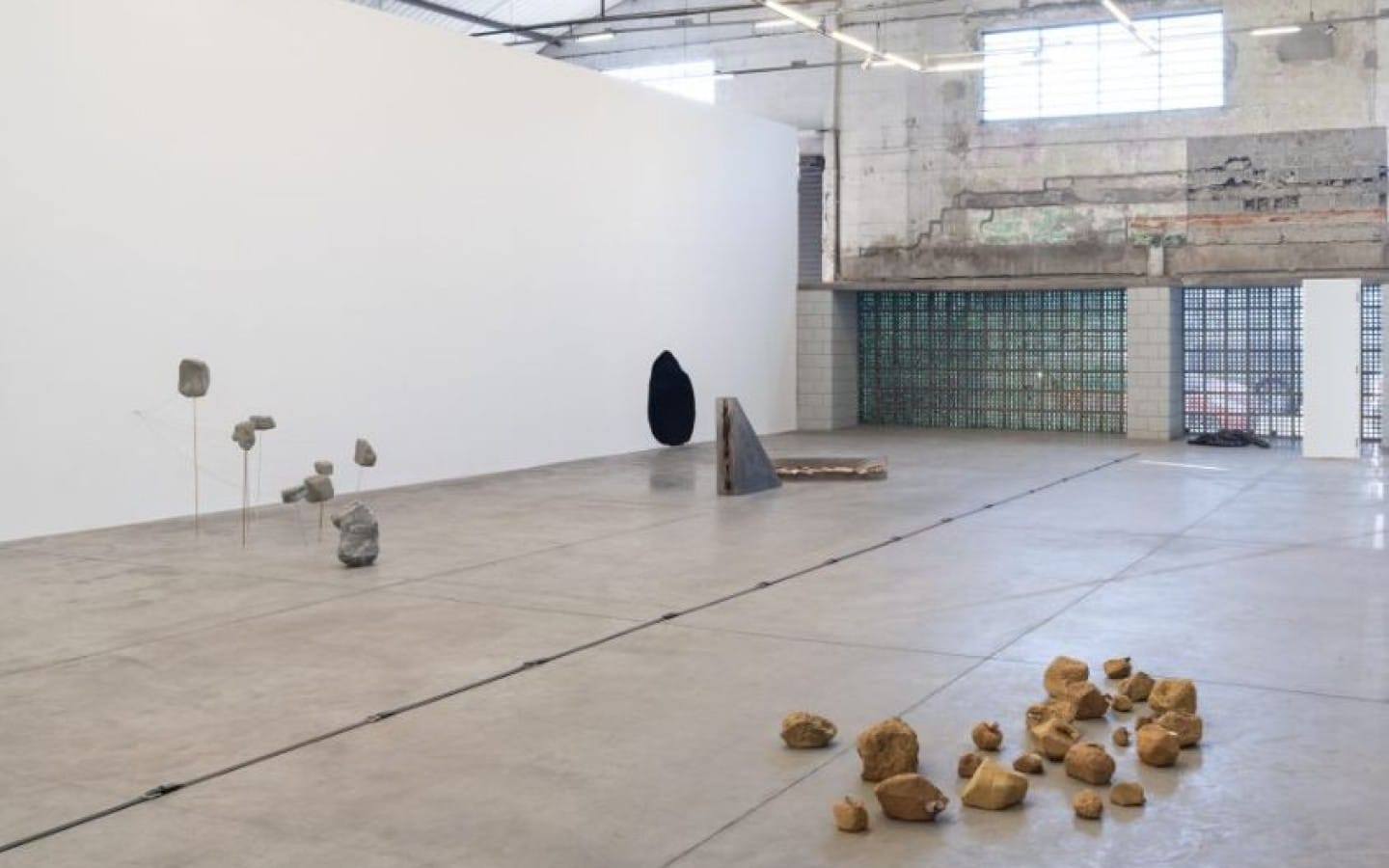
Sara Ramo: The Fury of the Living Remains 2026/2027 was an experience that pushed me to see the familiar in unusual ways. Visiting Pina Estação at the Pinacoteca of São Paulo, I found myself enthralled by the inventive ways Ramo collected and transformed everyday objects into pieces of art. These are the overlooked things we pass by without a second glance, yet Ramo brought them to life. Full of discovery, her works ask us to rethink the value of what we toss aside, embracing materials and fragments that society might deem unworthy.
A New Perspective on Ordinary Things
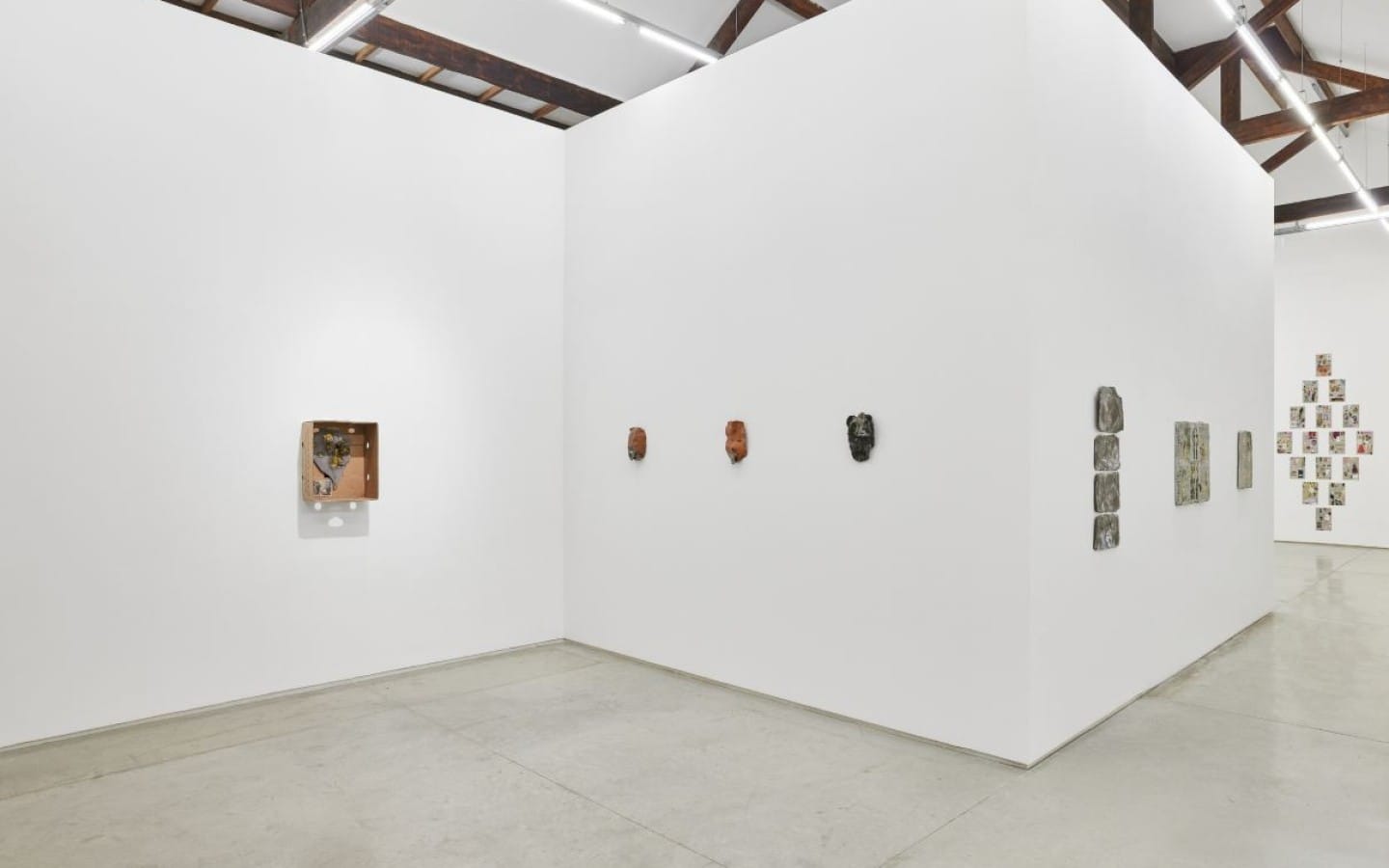
At first glance, Ramo's pieces might seem simple, but there's depth. Her work questions what remains when an object is stripped of its original purpose. How does its story linger? Sara's art compels us to reflect on how personal and social histories cling to what others throw away. Wandering through the installations, I saw how domestic spaces can reveal hidden structures of everyday life, delving into layers of labor, gender, and societal norms. The exhibition gently nudges us to reconsider how much artistic or emotional value we associate with an object's material worth. Ramo embraces the humble and the mundane, rearranging them to form new narratives that challenge our preconceptions.
Why This Exhibition Stands Out
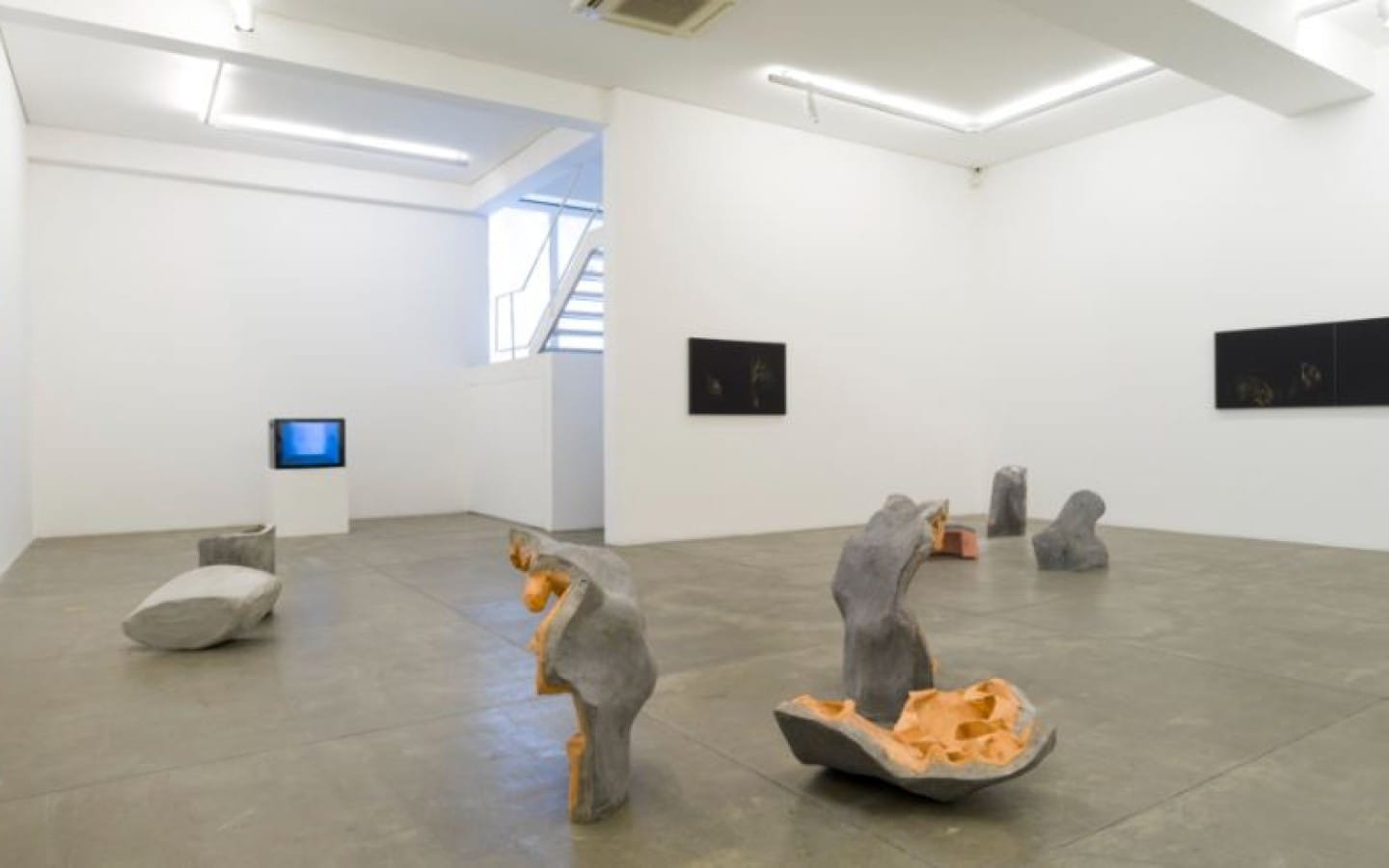
Experiencing Ramo's exhibition in person was illuminating. It wasn't one static installation but a trail of connected ideas wrapped in everyday materials. The experience showcased her talent for crafting an artistic language that emerges through an intimate engagement with the commonplace. Those interested in contemporary art will appreciate her skill in evolving a visual language centered on common items. As someone who enjoys installation art, I noted how Ramo transformed the gallery space into a living extension of her artwork. Her thoughtful use of arrangements invites us to engage with spaces in fresh, provocative ways.
There's much here for architects and designers too, in how objects shift the emotional tone of a space. Encountering Ramo's work highlights the different ways objects can influence our interactions with an environment, considering both aesthetic and emotional dimensions. For students, it offers a vital lesson that creativity doesn't require extravagant materials but keen observation. Collectors and curators gain broader context seeing how her internationally showcased work fits within this larger collection. It's a must for cultural travelers, eager to discover São Paulo's rich artistic landscape, with Pina Estação providing a key to this vibrant cultural dialogue.
Navigating Your Way to Pina Estação
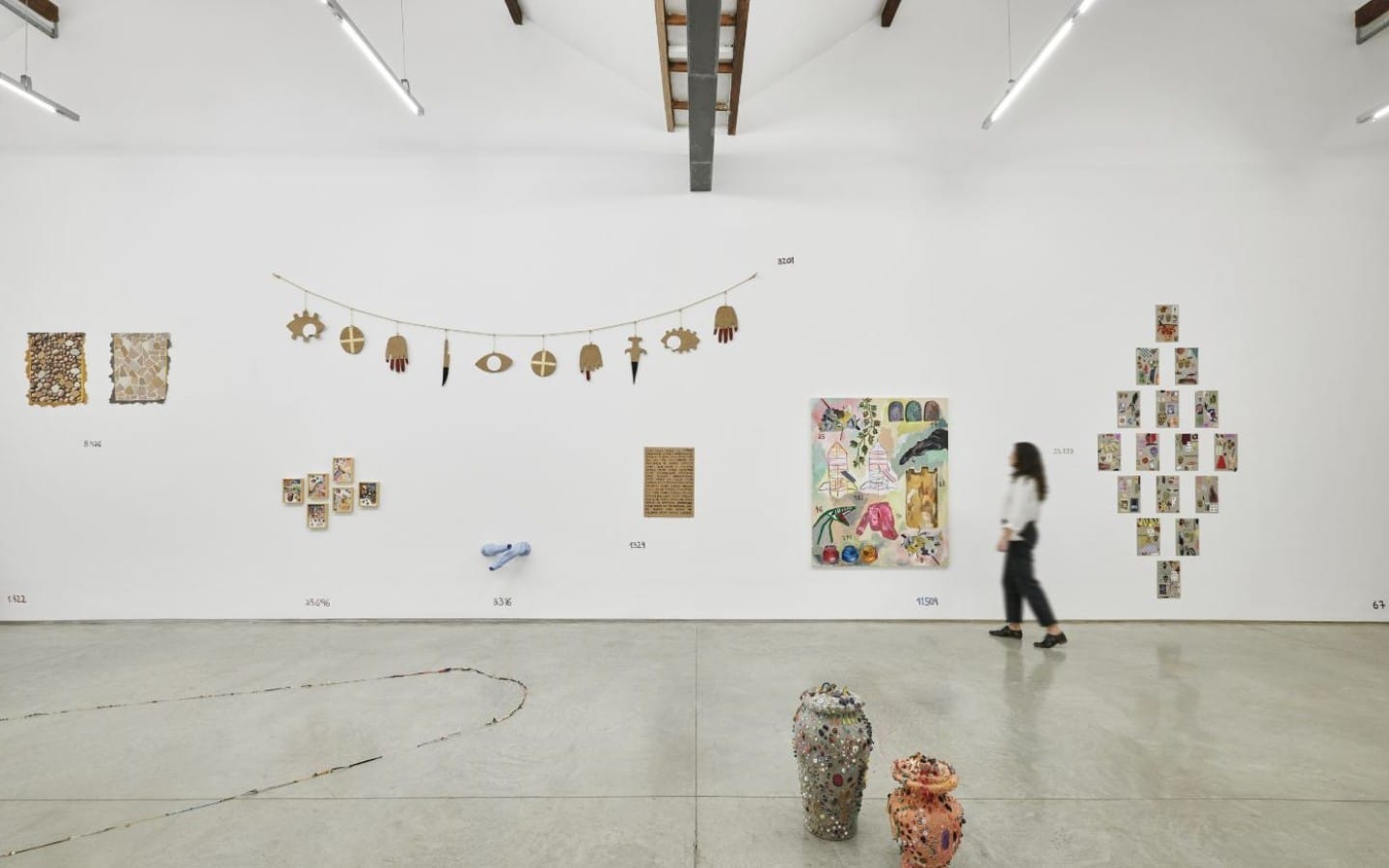
Situated at Largo General Osório in the bustling Santa Ifigênia area, Pina Estação is a gateway to exploring one of São Paulo’s key cultural areas. Luz Station, conveniently nearby, connects you to the rest of the city if you come by metro or train. The layout encourages a leisurely day, allowing visits to all three Pinacoteca venues on a single ticket. Walking between them presents an unfolding exploration of Brazilian art, a delightful journey through architectural history and contemporary narratives. With São Paulo's notoriously heavy traffic often challenging, the metro provides a reliable travel choice for those keen on art-filled days.
Where to Stay During Your Visit
The city offers diverse accommodation options, placing you close to art hubs. Staying central means quick access to the Pinacoteca and other cultural sites. Higienópolis offers a relaxed environment with various amenities, while Jardins serves those with broader art interests stretching to the Museum of Art or nearby galleries. If contemporary galleries and vibrant nightlife sound appealing, opting for a spot in Pinheiros might be ideal. Bela Vista's proximity to main transport routes makes it a solid choice as well.
Given São Paulo's vastness, choosing a location near a metro station is crucial. It's easy to be deceived by the map's scale, where a short distance can transform into an unexpectedly lengthy travel. Whichever neighborhood you choose, balancing proximity with convenience assures an enjoyable exploration of the city's vibrant artistic offerings.
Reflections on Sara Ramo's Artistic Journey
Sara Ramo manages to bridge her Spanish and Brazilian roots into an art form that cherishes the oddity of familiar places. Her practice reinvents daily scenes into arenas of instability and surprise. Walking through the gallery, I appreciated how her objects communicated more than just critique of consumerism. They formed theatrical narratives capable of entertaining but also unsettling viewers. Her work is infused with a sense of humor that coexists with undercurrents of tension, vulnerability, and unease. Brazil's rich history of using found materials as a medium feels intricately woven into Ramo's storytelling, yet she does it with a profoundly personal touch.
Make the Most of Your Visit
Allow yourself enough time to truly engage with Ramo’s installations. Spend at least 90 minutes or more if you can, as there is much to explore in this intricate exhibition. This isn't an exhibition to rush. Rather than focusing solely on their past function, consider how she reinvents these items. Walking around and viewing from different angles can often reveal previously unseen aspects. The materials’ histories often intertwine with their new meanings, inviting contemplation on their layered stories.
Pair this visit with trips to the nearby Pina Luz and Pina Contemporânea; they collectively tell a broader story of art and innovation worth exploring. The access provided by a single ticket extends to all three facilities, with the added bonus of free access on Saturdays and the second Sunday of each month being a particularly appealing time to dive into the rich diversity of Brazilian and international art.
Appreciating What Lingers in the Unexpected
Art isn't merely about perfect forms or luxury, and Sara Ramo reminds us through her work. She finds beauty in what remains when utility is long gone. This exhibition is not about romanticizing waste but about revealing the deep well of memory, labor, and imagination that rests within. The charm lies in shifting our thinking—considering not just what an object is, but where it's been. Her exhibition at Pina Estação engaged me in questioning the ordinary, challenging me to see the invisible stories around. This reflective process felt especially timely given the current discussions on waste and material culture. It's a modern narrative that resonates, offering a poignant reflection on what we cherish and discard.
Claire Bennett for ArtexpoWorld.com