SP-Arte Rotas 2026
Discover the curated paths of Brazilian and Latin American art at SP-Arte Rotas 2026, blending heritage with contemporary narratives.


SP-Arte Rotas 2026 took place this past August in São Paulo at an impressive venue, ARCA. The event marked a significant shift from its origins as a photography-focused event, SP-Foto, expanding into a broader artistic fair that mapped out curated routes through both Brazilian and Latin American art landscapes. It's housed in Vila Leopoldina, an area buzzing with industrial charm, and offered a fresh perspective on art outside the usual gallery circuit. Organized by SP-Arte, under the leadership of Fernanda Feitosa, the fair stands as a collaborative showcase involving numerous galleries, artists, and cultural initiatives.
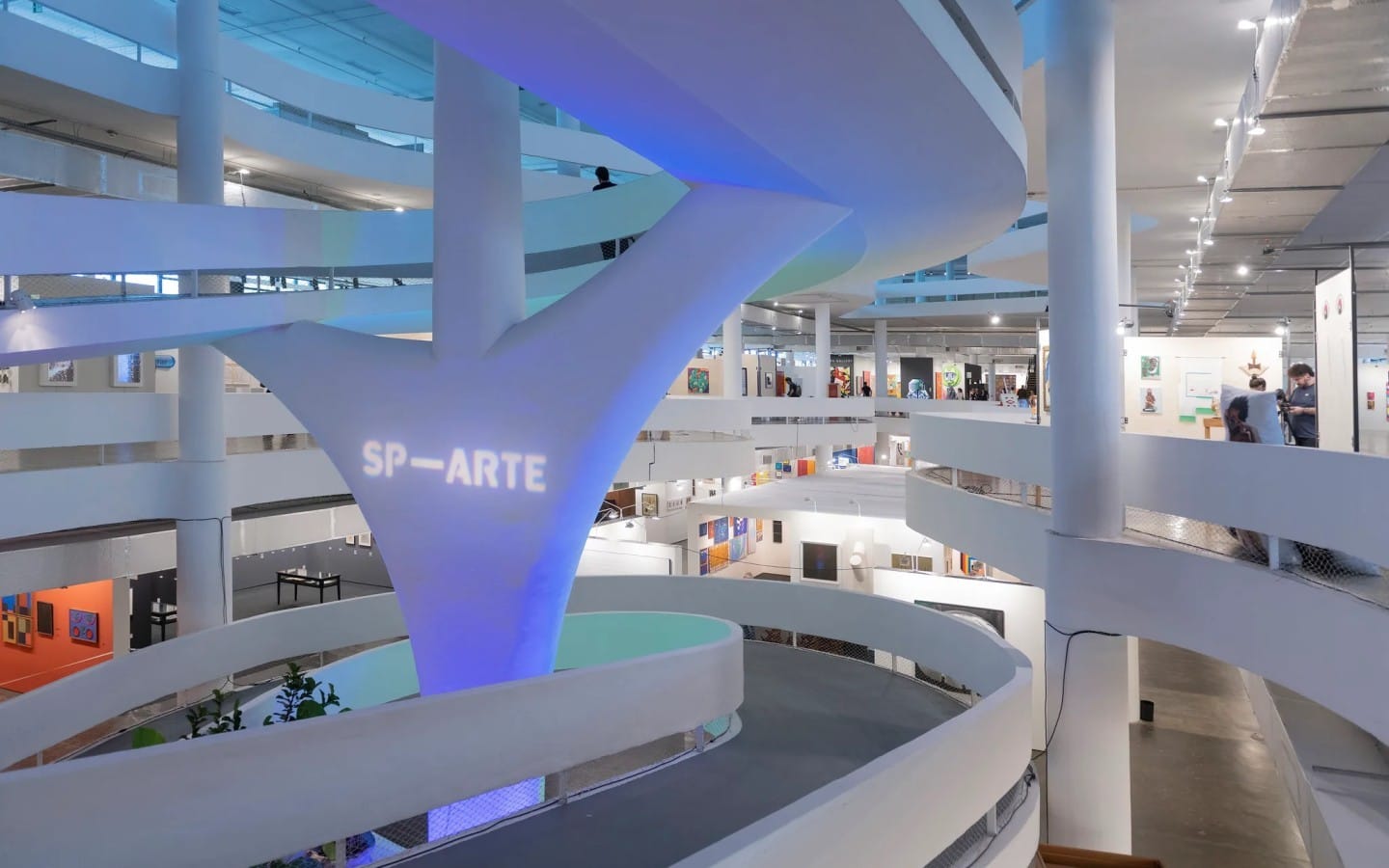
A Diverse Artistic Gathering in São Paulo
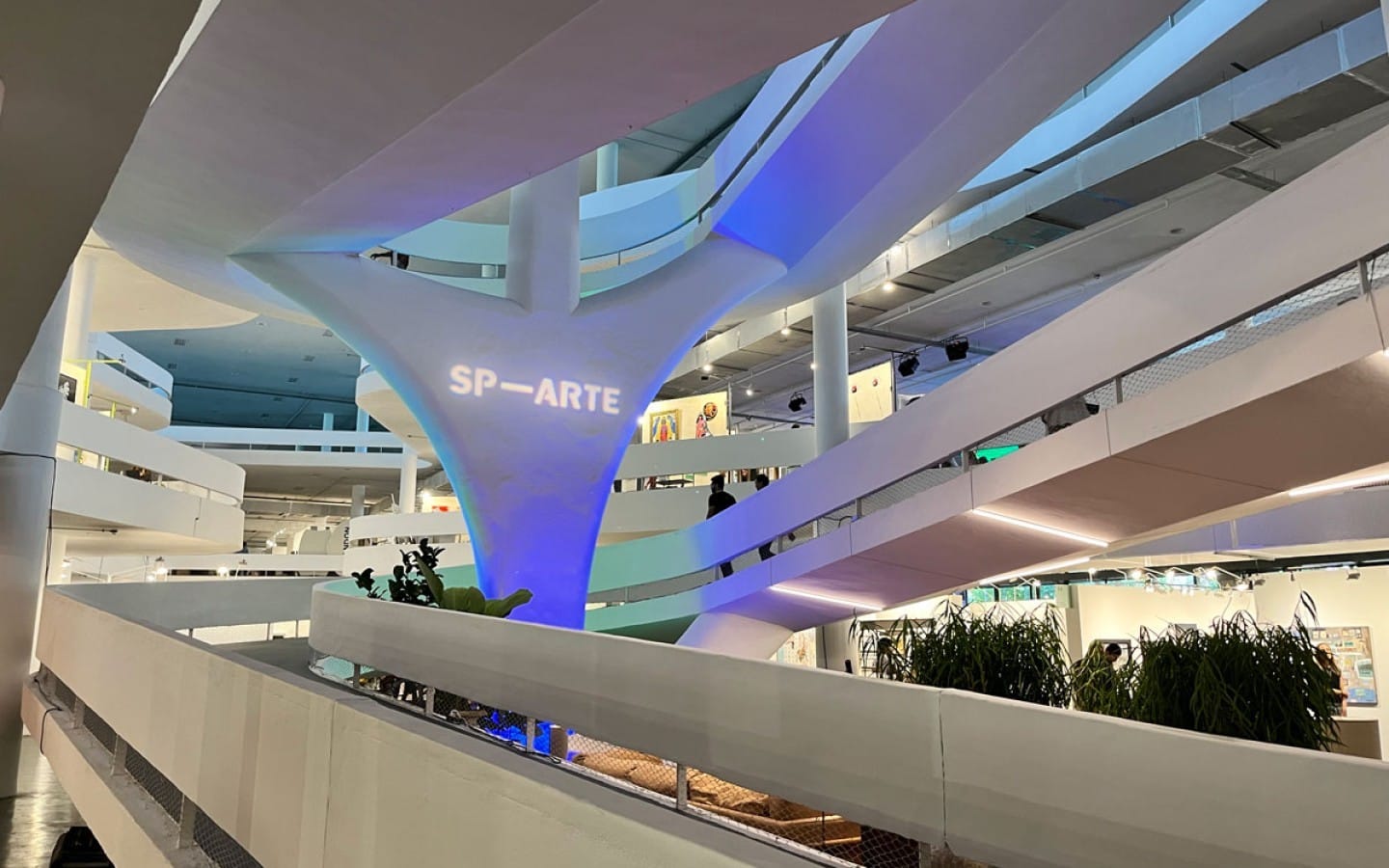
The SP-Arte Rotas event's mission is to offer a platform for art from diverse regions of Brazil and Latin America, bringing them into a broader dialogue. Unlike many major fairs, which often spotlight well-known names and commercially safe pieces, Rotas presents a chance to engage with art as a narrative journey. The fair, by focusing on less highlighted cultural narratives, connects different regional art scenes without stripping them of their unique stories. As I walked through the event, it was clear that the intent was not merely to showcase art but to weave together a broader conversation with contributions from emerging artists alongside historical retrospectives, while including materials and identities integral to Brazil.
Why Visiting SP-Arte Rotas 2026 Was Eye-Opening
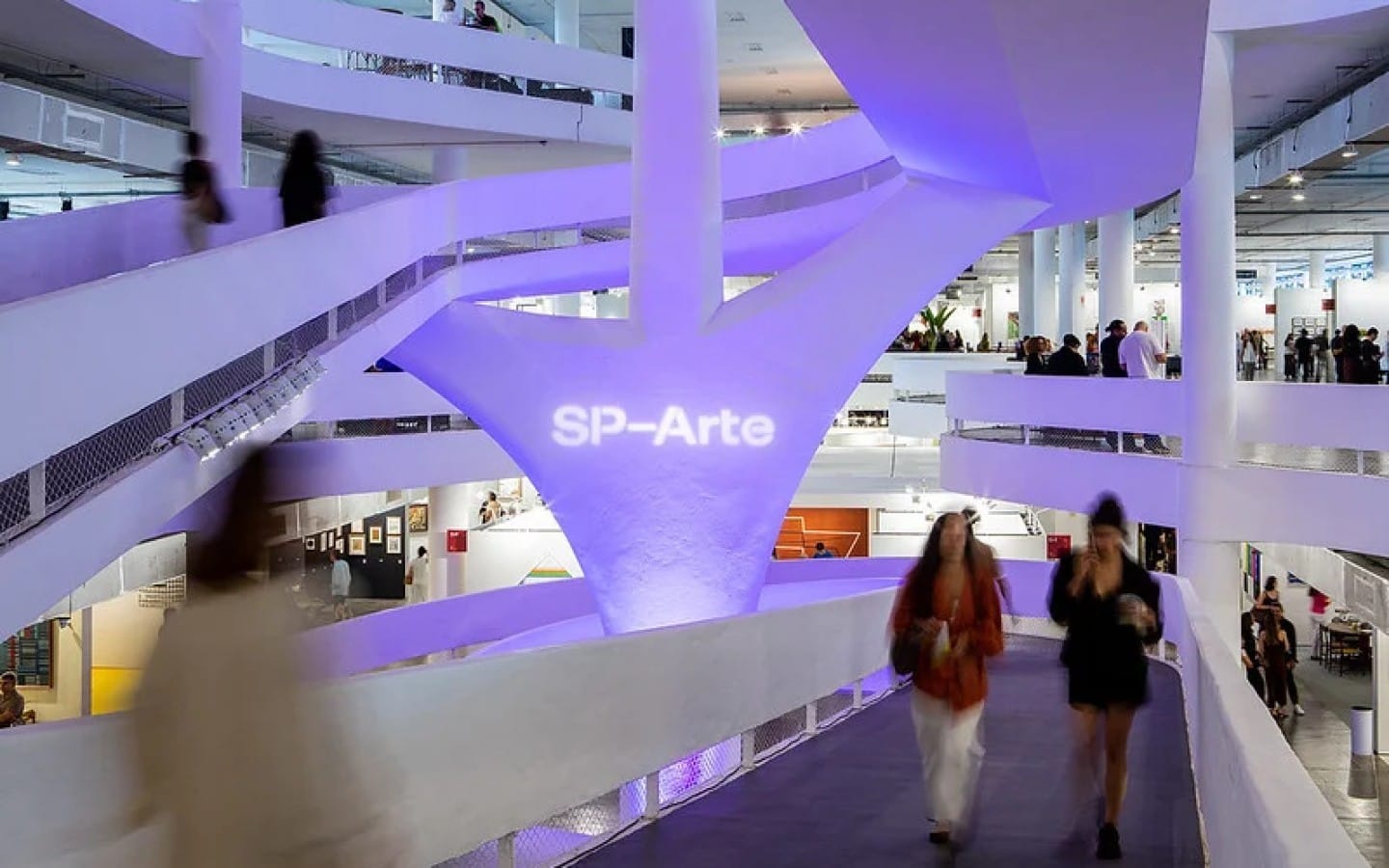
For collectors and art enthusiasts, visiting SP-Arte Rotas 2026 was a unique experience compared to conventional art fairs. We were introduced to artists and galleries that often remain under the radar of huge international events. The fair’s intimate layout allowed us to truly appreciate each artist's vision. Curators and scholars could explore a microcosm of regional art, experimental gallery concepts, and innovative cultural projects sprawling across Brazil. What struck me was the dialogue it sparked between Brazilian and neighboring Latin American art, respecting the individuality of each while drawing attention to fascinating interactions and exchanges. The timing also offered a perfect opportunity to explore São Paulo’s thriving gallery scene, enriched by coordinated events during the fair, emphasizing exchange and collaboration across borders.
Finding Your Way to ARCA
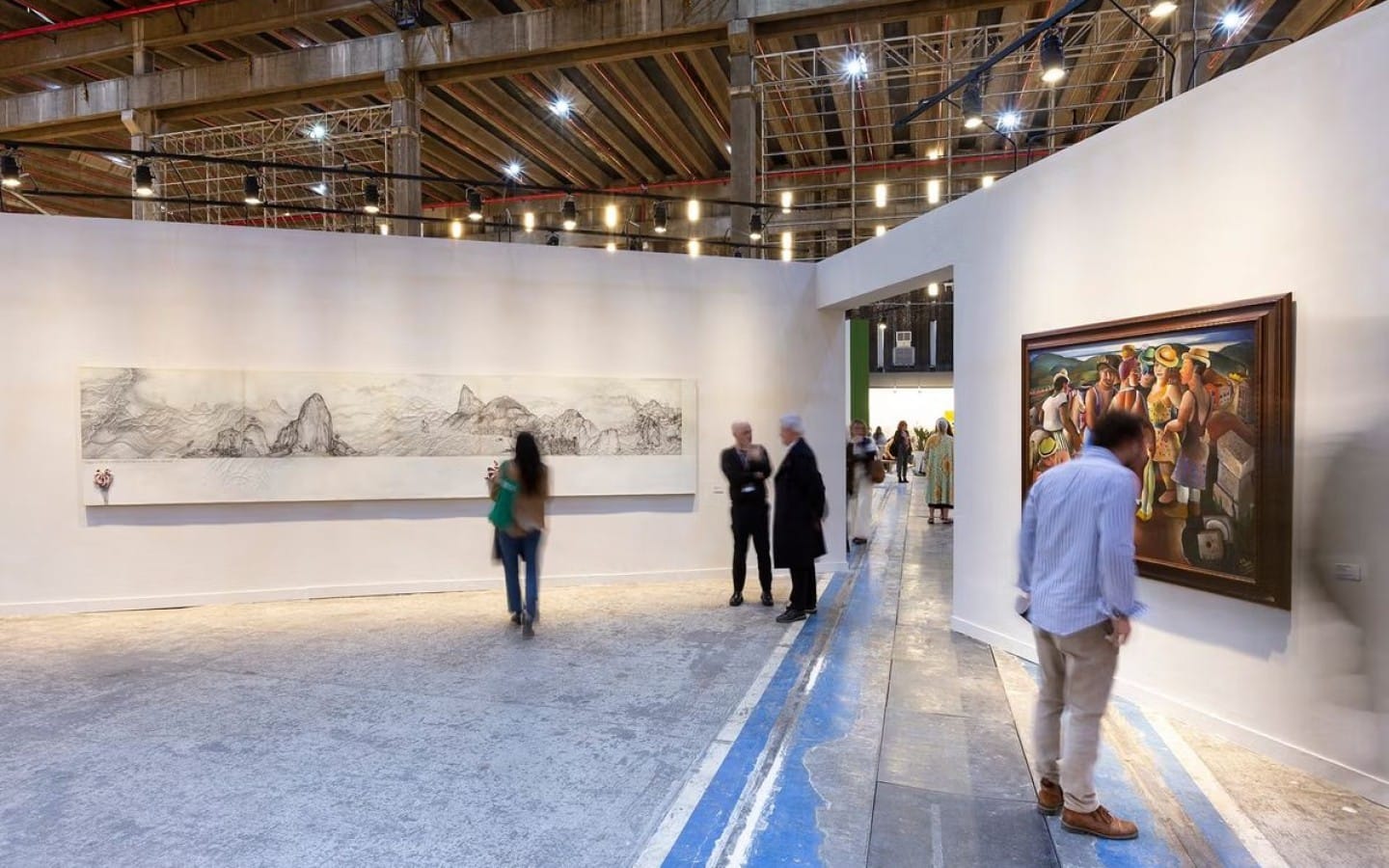
Reaching ARCA was relatively straightforward, though it required a little planning due to São Paulo's notorious traffic. Situated in the west, Vila Leopoldina is a hub of creativity nestled amidst former warehouses, making it a fitting locale for such a vibrant art event. Depending on your starting point, a combination of rail and road transport was necessary, with a heads-up about busy periods ensuring prompt arrival. For international travelers, options included flying into São Paulo–Guarulhos International Airport or the closer Congonhas Airport for those within the region. Evening events at galleries required strategic travel planning, given the distance from central São Paulo, a factor that added thrill for those maneuvering through the city’s nightscape.
Choosing Where to Stay
While attending SP-Arte Rotas, selecting accommodation was vital for a seamless experience. Jardins stood out as an ideal choice for its proximity to galleries, top-tier hotels, and dining, with quick access to Avenida Paulista. Pinheiros offered a bohemian yet convenient option, brimming with galleries and local flair. For a taste of street art and nightlife, Vila Madalena was unbeatable, while Itaim Bibi catered well to those seeking luxury and business amenities. Although Vila Leopoldina provided the closest proximity to ARCA, its limited cultural and accommodation choices meant most opted for livelier or more central areas. Planning to visit museums and gallery events enriched the stay, making areas like Pinheiros and Jardins compelling bases, ensuring culture was always within reach.
The Backstory of SP-Arte Rotas
SP-Arte began its journey in São Paulo in 2005, quickly becoming a cornerstone of Latin America's art market. Initially, it included a focus on photography through SP-Foto, which later expanded into the SP-Arte Rotas format. This transition allowed for a broader artistic spectrum, adding depth with diverse media like sculpture, ceramics, and installations. By 2022, the fair had repositioned itself to incorporate international dialogues smoothly, and by 2026, it continued under mainly Brazilian influences while building bridges with surrounding cultural landscapes. The vibrant São Paulo scene, with its robust mix of galleries, museums, and creative spaces, was an ideal host, challenging the notion that a singular city could encapsulate Brazilian art, fostering numerous artistic exchanges.
Guidance for Navigating SP-Arte Rotas
A visit to SP-Arte Rotas isn't rushed. Spending three hours or more immersed in the fair is worthwhile. Each booth functions as a capsule exhibition, where the interplay of works tells its own story, almost as vital as the individual pieces themselves. I took my time to explore Mirante, the sprawling center stage for grand displays that defined the fair’s artistic vision. Whether buying or simply learning, asking galleries about the creators' backstories, materials, and histories was invaluable. These insights enriched the viewing experience significantly. The diversity from regions outside Brazil’s typical art hubs, like São Paulo or Rio, offered a refreshing vantage point into the nation’s artistic geography, revealing rich local histories and identities.
Final Reflections on My Visit
SP-Arte Rotas 2026 was a testament to art’s expansive potential when it resists being pigeonholed into predictable formulas. I valued its ability to concentrate artistic vision, requiring participants to delve into thoughtful, curated dialogues rather than merely filling space. The name itself speaks volumes: "Rotas" reminds us that Brazilian art defies uniformity, instead encapsulating myriad influences from regional and historical to Indigenous and Afro-Brazilian perspectives. For collectors and art explorers, the fair offered uncharted pathways through the intricate web of Brazilian culture, enriching our understanding beyond the familiar routes through its focused narratives and exchange.
Claire Bennett for ArtexpoWorld.com