The Introspection of Kakha Esebua's Art
Explore Kakha Esebua's unique paintings, blending personal reflection with vibrant history, featured at Baranow Art.

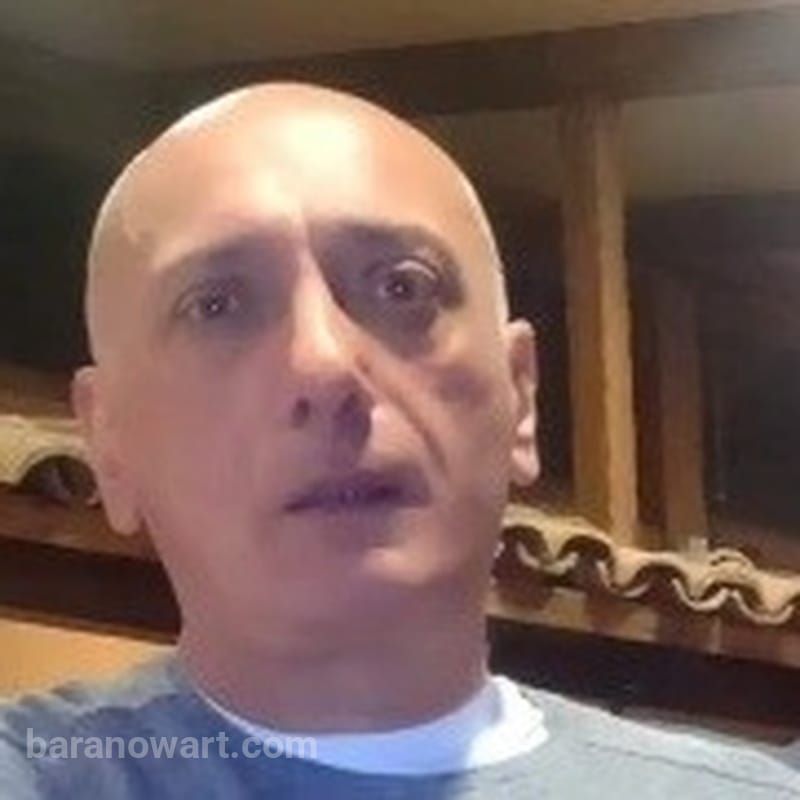
Kakha Esebua's work caught my eye with its deep emotional currents hidden beneath vibrant surfaces. Born in Tbilisi, Georgia, in 1964, Esebua grew up in a world infused with rich history and cultural change. This backdrop evidently shaped his art, giving each piece a narrative quality that resonates well beyond the canvas. His paintings invite you into a kind of dialogue, where stories unfold through texture and color, rather than mere representation.
The artist's personal journey is fascinating, beginning on the streets of Tbilisi and blossoming into a distinguished career. Through his work, Esebua explores themes of connection and reflection, often embedding a sense of dreamlike ambiguity. His choice of oil paints offers him a versatility and richness that breathe life into subjects that might otherwise remain locked in abstraction.
Meeting "The Postman of Unwritten Letters"
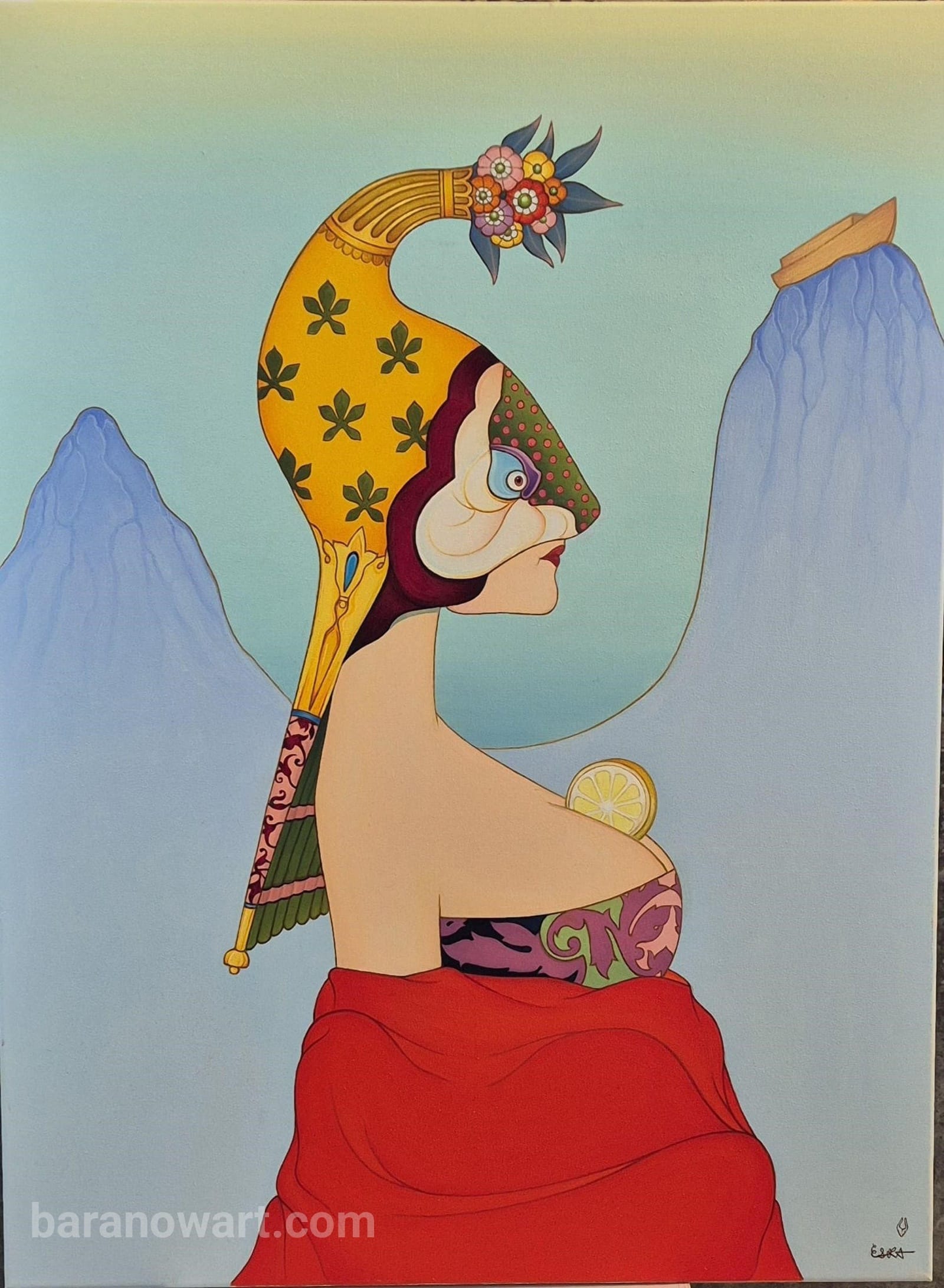
"The Postman of Unwritten Letters" measures 60x80 cm and is an evocative piece full of mystery. This painting stands out not just for its technical skill, but for its capacity to evoke curiosity. Esebua uses layers of oil, applying them with both brush and palette knife, creating a multi-dimensional texture that draws you in. The brush strokes are deliberate yet fluid, revealing an undercurrent of movement beneath the stillness of the postman.
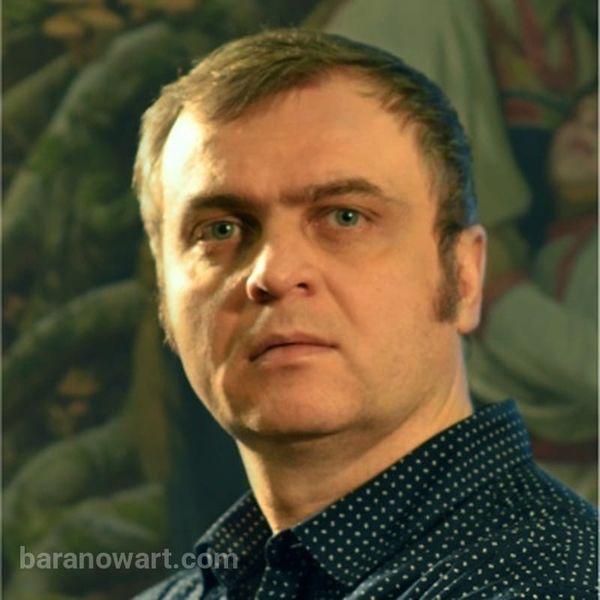
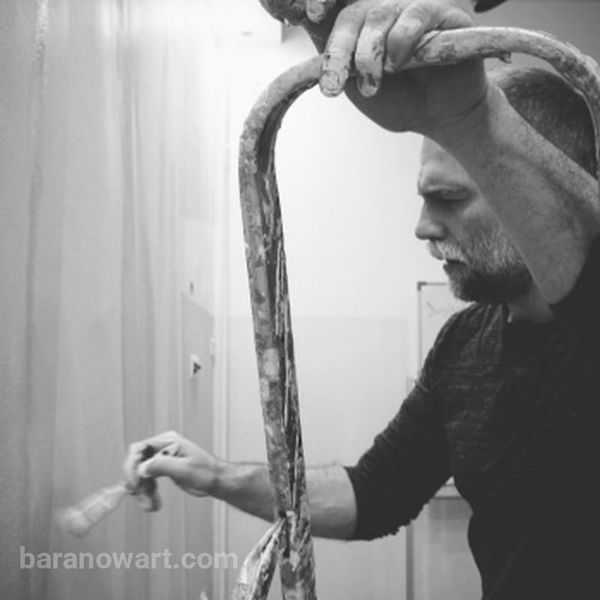
Kaha Esebua, contemporary Russian artist">
In this painting, a solitary postman appears deep in thought, standing amidst a foggy backdrop. The scene feels paused, as if the postman is caught between different worlds. The letters are unwritten, representing things left unsaid or opportunities missed. The palette is neutral, yet subtly vibrant, with muted blues and hints of soft ochres. These muted tones create a sense of nostalgia, almost as if looking through a sepia filter. The effect is engaging, encouraging viewers to linger longer, perhaps imagining their own untold stories.
This painting also masterfully plays with light and shadow. The light falls gently on the postman, isolating him from his surroundings and highlighting the pathos of his role. His expression, as captured by Esebua's careful detailing, invites us to ponder the burdens of communication left unexpressed. "The Postman of Unwritten Letters" is available now at Baranow Art, and it's a piece that continually offers new meanings at every glance.
Guarding "Caretaker of the Cemetery of Love's Dreams"
"Caretaker of the Cemetery of Love's Dreams" is as intriguing as its name. Measuring 120x80 cm, this work captures a figure standing over forgotten dreams. The use of oil here is particularly effective, allowing for complex interplays of light and shadow on the canvas. The painting feels almost cinematic, as if Esebua has captured a single frame of a larger story. His brushwork here is dappled and layered, giving depth to the cemetery's landscape and an ethereal quality to the caretaker.
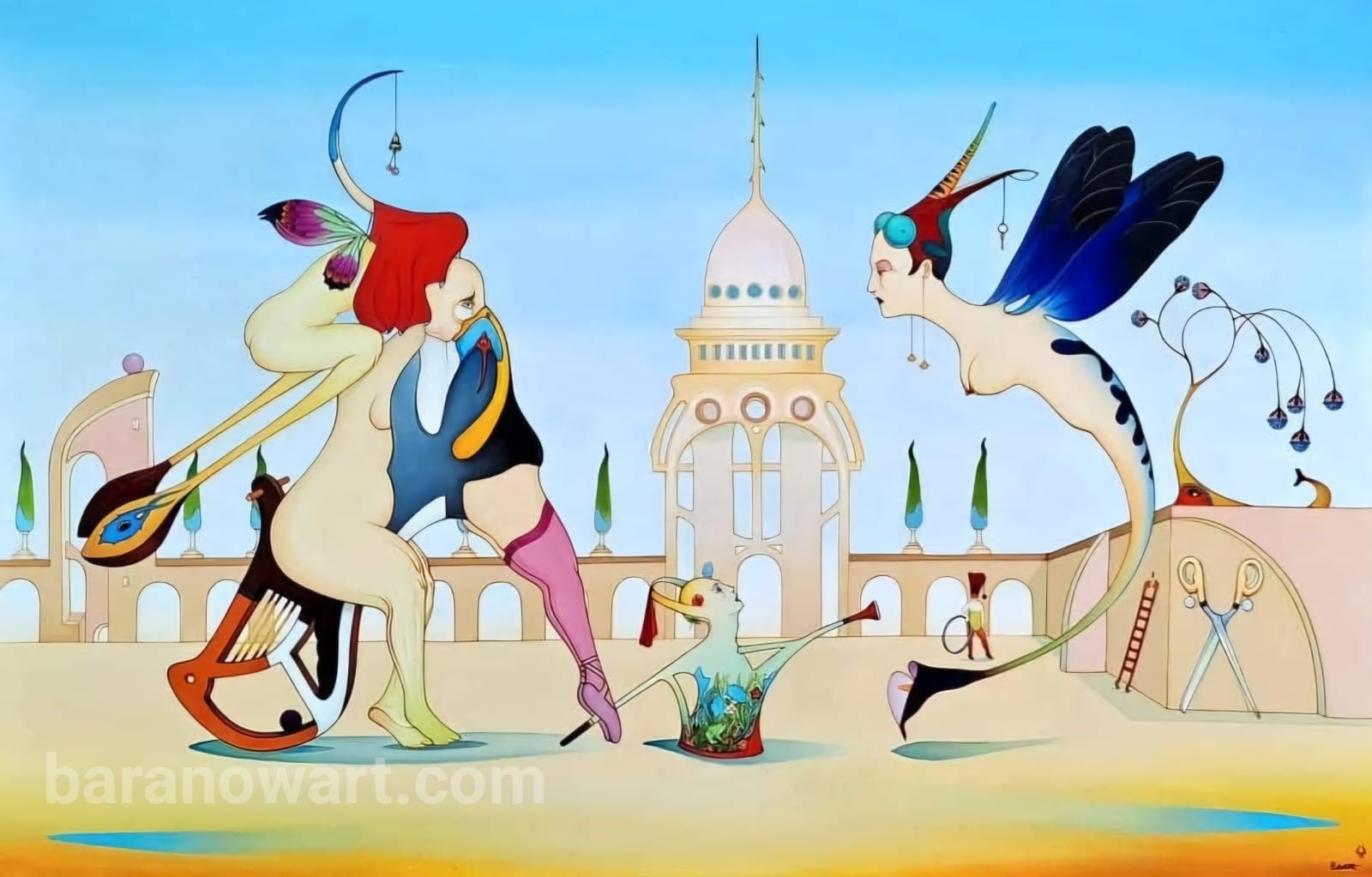
Esebua captures a somber mood without resorting to darkness; instead, he uses muted colors to evoke a feeling of melancholy and nostalgia. The caretaker, depicted with an almost spectral lightness, embodies the theme of neglected potential, dreams that were once vibrant now reduced to remnants. Trees in the background, bare and stark, add to the eerie tranquility. The composition draws the eye along meandering paths that seem to vanish into the horizon, reinforcing a sense of journey and reflection.
The subtle detailing in the caretaker’s posture and expression adds layers to the narrative. Esebua leaves much to the viewer's imagination, allowing for personal interpretation, which is part of the painting's allure. One often finds themselves drawn into contemplating the impermanence of dreams when viewing this painting. Even small details, like the weathered gravestones, inspire thoughts about time's relentless passage. It's a powerful piece that resonates long after viewing.
Exploring "Condemned to Sleep"
"Condemned to Sleep" stretches across 80x120 cm, depicting figures in various stages of slumber. Esebua's command of oil technique is evident here, as he seamlessly blends sweeping strokes with subtle detail, capturing the depth of human emotion. The canvas is a space where dreams and reality clash, each figure appearing lost within their own worlds.
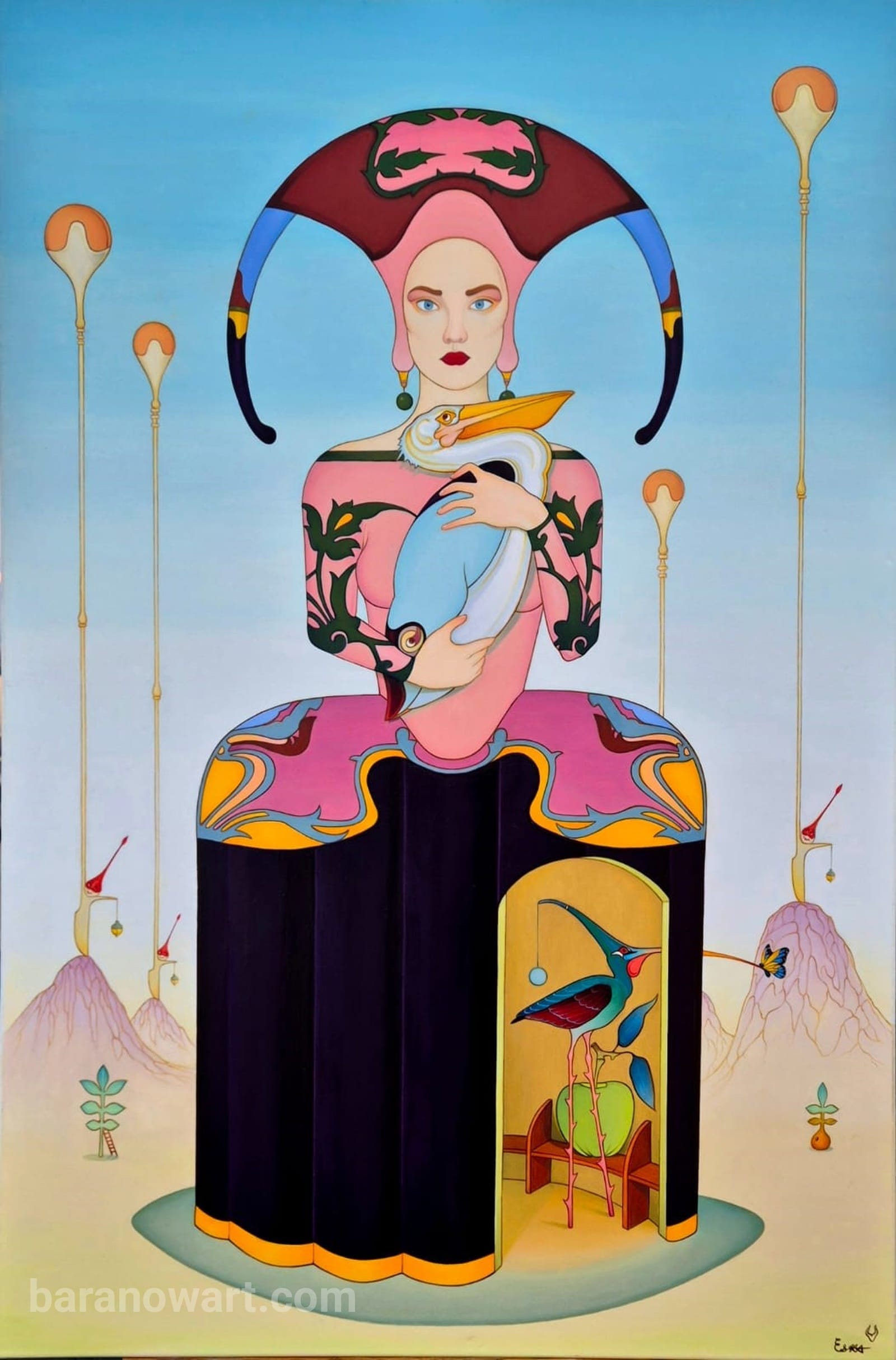
The painting features a surreal landscape where time seems suspended, and individuals are resigned to their eternal rest. Esebua opts for a darker palette, punctuating the scene with highlights that catch your eye, leading you from one sleeping figure to another. These figures, painted in hues approaching monochrome, reflect a quiet surrender. The effect is dreamlike, almost hypnotic. In this piece, Esebua explores themes of inevitability and surrender, provoking thoughts on life's cycles and the acceptance of fate.
Each figure's posture is carefully considered; some appear peaceful, while others restless. This variety creates a dialogue about the shared human experience of sleep and subconscious life. The background is a mixture of deep indigos and shadowy greys, evocative of twilight, when waking life slips into dream. This piece is a strong testament to Esebua's ability to convey profound narratives through visual art, and it's available for those interested in a deeply philosophical piece.
Esebua doesn't shy away from exploring difficult or introspective themes. His work is deeply personal and reflective, drawing from his Georgian roots and life experiences. Each painting is a voyage into the unknown, blending the real and the surreal with a deft touch. In Kakha Esebua’s art, we find a unique blend of narrative depth and technical skill, making each piece a cherished part of Baranow Art’s collection. His continued exploration of life's complexities ensures that each work offers something new to discover, making them truly lasting works of art.