Venice Biennale 2026
Explore the Venice Biennale 2026 through the lens of curator Claire Bennett. Discover the latest in contemporary art amidst Venice's unique charm.

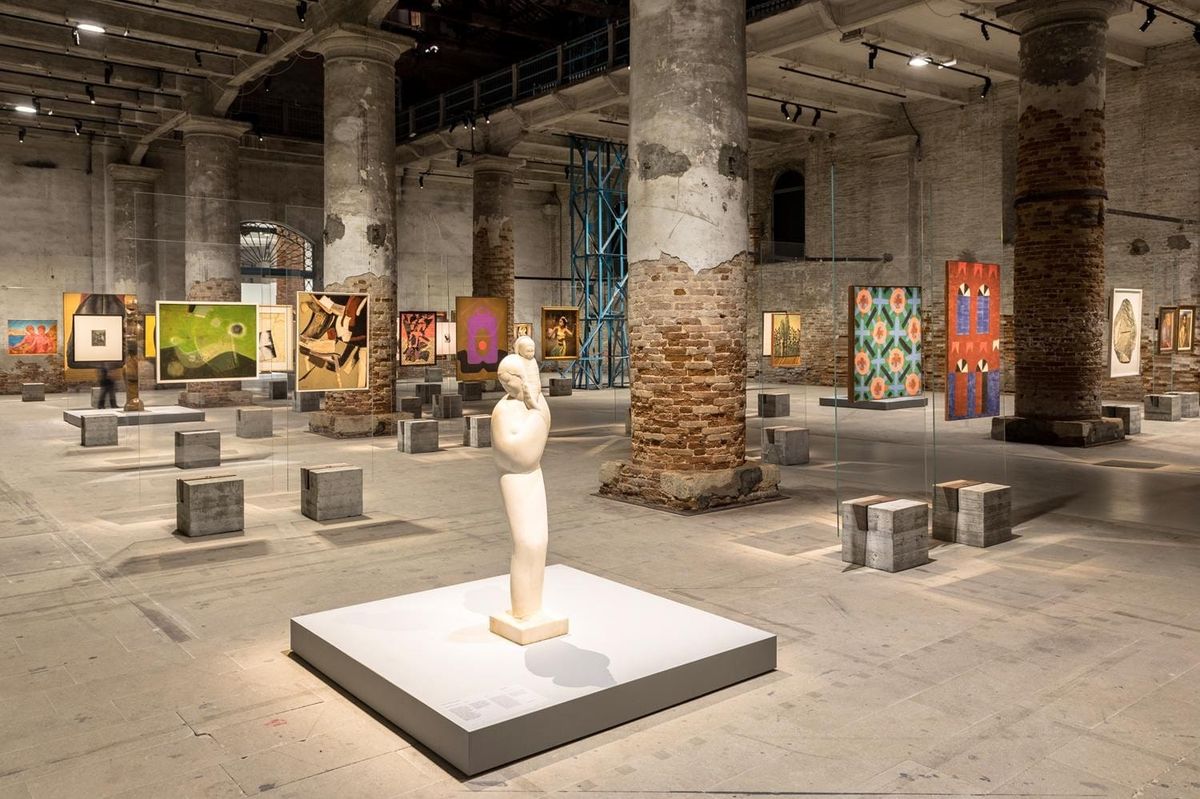
The Venice Biennale 2026, with its rich history dating back to 1895, stands as a beacon in the contemporary art world. This year, under the imaginative direction of Koyo Kouoh, the Biennale's theme, 'In Minor Keys', resonates with depth and introspection. My recent visit to this 61st International Art Exhibition wasn't just another art event; it was a journey into the nuances and emotional layers of art as seen in various global contexts.
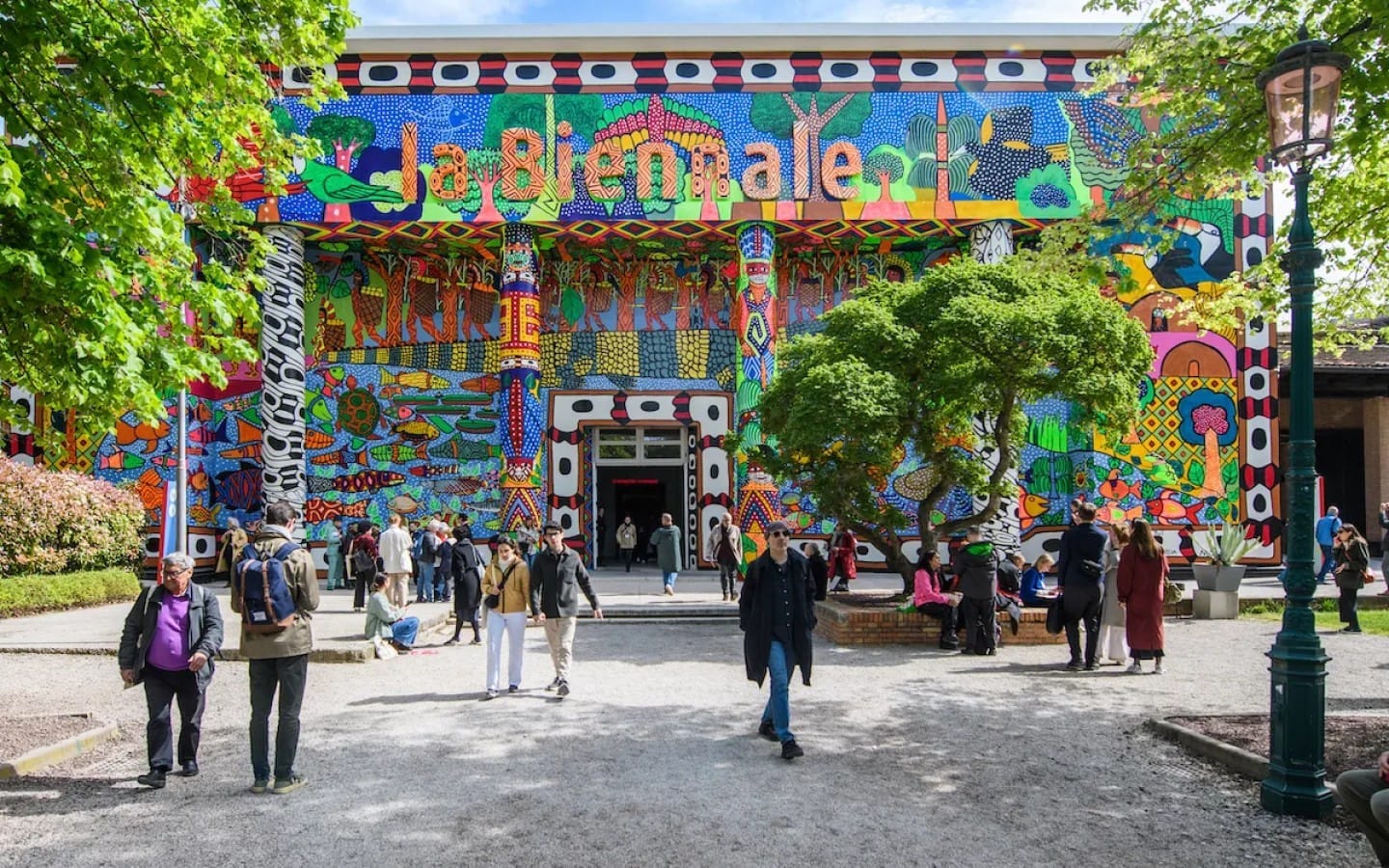
A Must-See for Art Lovers and Adventurers
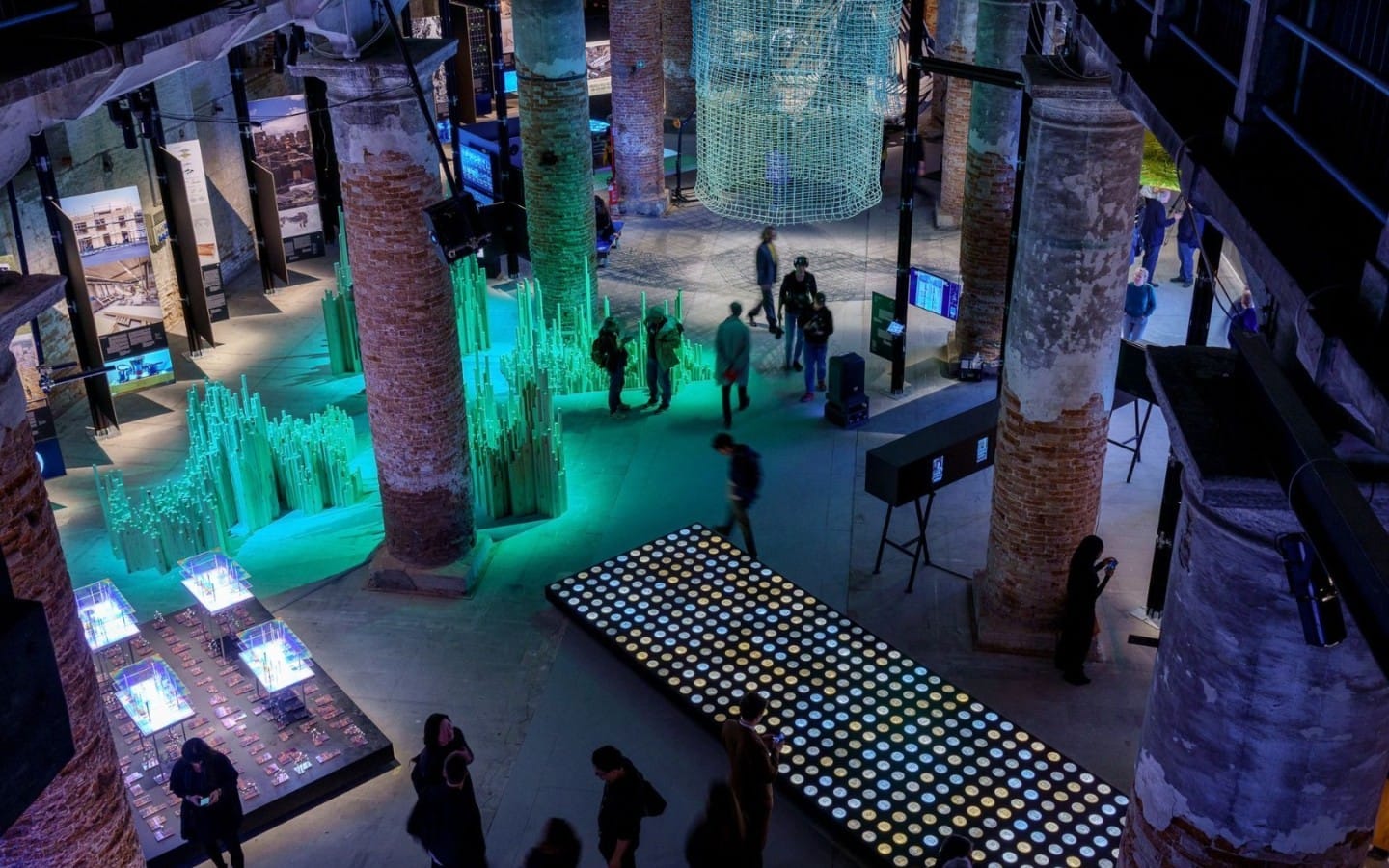
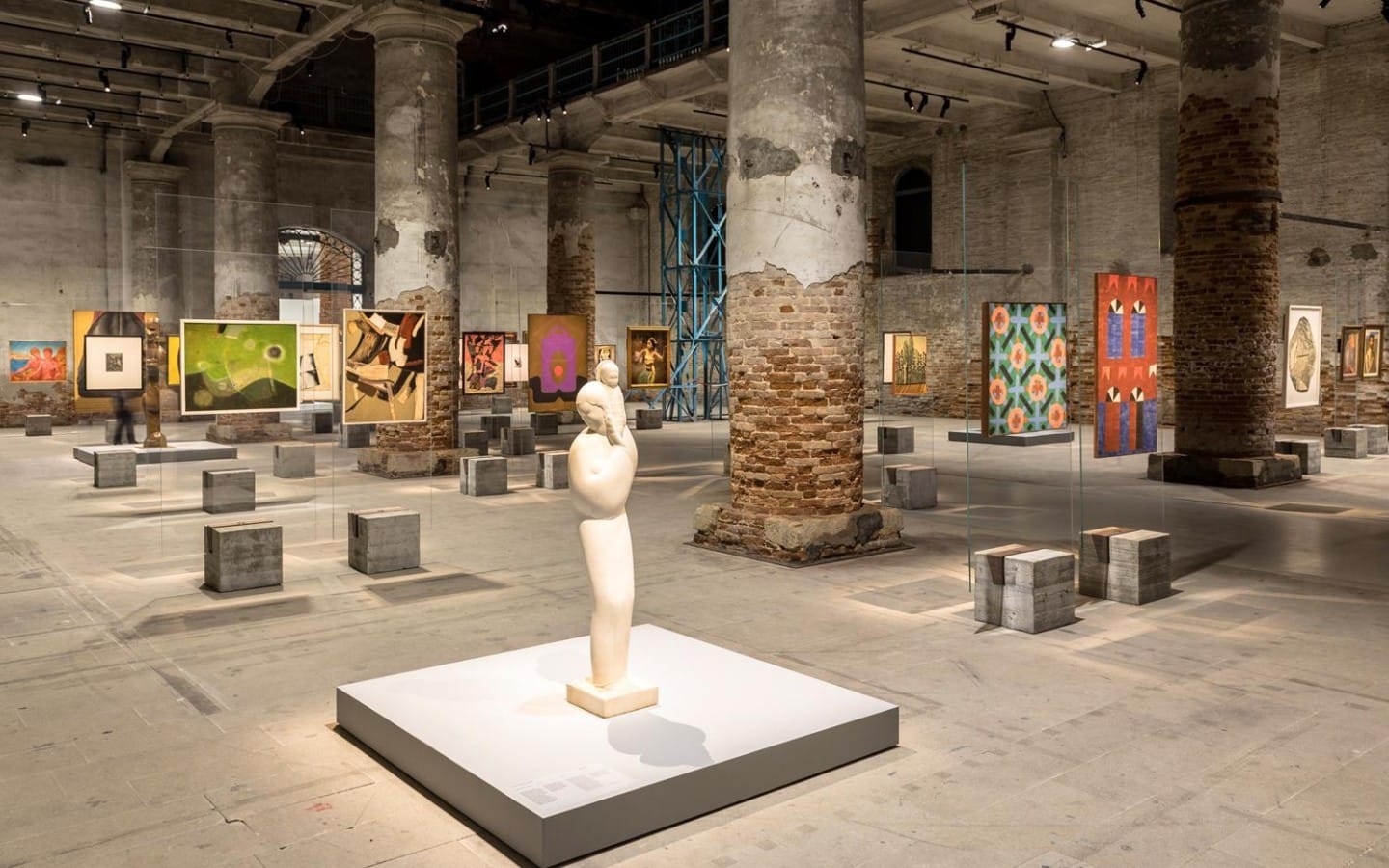
The Venice Biennale is a rite of passage for anyone intrigued by the evolution of art. In 2026, the exhibition displayed a rich tapestry of artistic voices, highlighting those who push boundaries and question norms. It's not merely a gathering of artworks; it's a confluence of ideas that could steer the art world's future. The mix of established artists and fresh voices creates a dynamic dialogue, introducing new aesthetics and challenging long-held assumptions. The Biennale is not a marketplace, yet its influence is indisputable, often dictating new trends and sparking exhibitions worldwide. Walking through Venice during the Biennale makes art feel like a living conversation with the city’s timeless charm. The current focus on emotional resonance, required by Koyo Kouoh’s vision, only amplifies the experience, making me ponder not just what art presents but what it evokes.
Maneuvering Through the Canals of Venice
Arriving in Venice is part of the adventure. I flew into Venice Marco Polo Airport, a bustling hub linking to countless global destinations. The train journey through Venezia Santa Lucia station is equally captivating, depositing travelers directly into the heart of the city. The city's famous historic railway station is not just a gateway but a spectacle of its own, where bustling travelers mingle with Venice's old-world charm. From there, the vaporetto, Venice's iconic waterbus, gently whisked me to the main Biennale venues, Giardini and Arsenale. These stunning locales serve as the main stages, each offering its own unique vibe. For those opting for road trips, cars stay parked at Piazzale Roma or on the mainland, since Venice’s historic core is vehicle-free. Navigating through this city of canals adds a layer of adventure to the visual feast.
Finding Just the Right Place to Stay
Choosing accommodation near the Biennale venues made all the difference. Castello district, close to Giardini and Arsenale, offers a quieter, more authentic slice of Venice life. With its charming backstreets and local eateries, it provides a very different atmosphere compared to the thronged tourist centers. Meanwhile, San Marco provides that classic Venetian backdrop, with its ornate architecture and proximity to St. Mark's Basilica, albeit with added hustle. If you're as passionate about art as I am, Dorsoduro is perfect, brimming with museums, galleries, and delightful eateries. The Peggy Guggenheim Collection in this district is a must-visit. Cannaregio’s local charm and proximity to train connections suit those wanting a serene stay and easy travel logistics. Mestre offers budget-friendly options, but keep in mind the commute into the city daily, meaning you might miss some of the impromptu magic Best experienced by staying in the heart of Venice.
A Peek into Venice Biennale’s Heritage
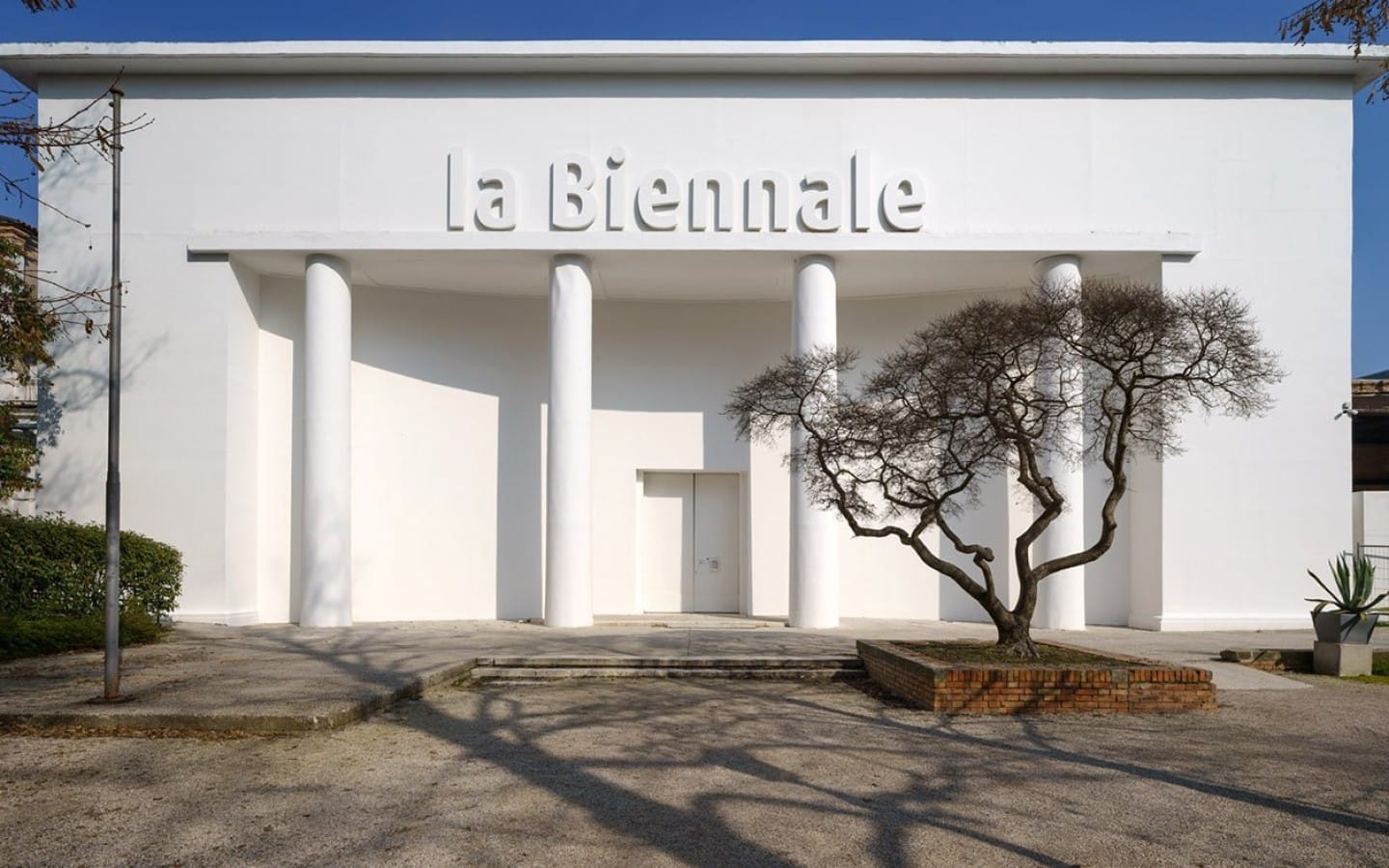
Founded in 1895, the Venice Biennale has bridged the past and present in the art world. It thrives on a unique structure that brings together a central exhibition and diverse national pavilions, turning Venice into a global art dialogue. Each pavilion is not just a showcase but a statement reflecting national identity and international perspectives. Each edition since has woven new tapestries of artistic exploration and debate. This year, there's a palpable continuity of Koyo Kouoh’s curatorial thread, resonating with themes of memory, connection, and fragility—a perfect mirror to Venice’s own delicate beauty. The combination of ancient architecture with cutting-edge art turns the entire city into a canvas, making each street corner feel part of the exhibition itself.
Advice for Fellow Explorers
Spending two full days at the Biennale’s main venues is wise. Giardini and Arsenale are expansive and deserving of a leisurely pace. Take the time to immerse yourself in both venues, as each offers something distinct. The sprawling pavilions hold treasures waiting to be discovered if you linger and look deeply. Book your entry online ahead of time. Expect the city to teem with life during the Biennale's peak. My most practical tip: wear your sturdiest walking shoes. Those Venetian bridges and cobblestones are artistic in themselves but can be unforgiving on the feet. While exploring, allow for those unexpected discoveries and revisits to haunting pieces that linger in your thoughts. Stay updated on side events; they can offer impressive performances and talks you won’t want to miss.
The Balancing Act of Exploring the Biennale
Visiting the Venice Biennale is an exercise in balancing plans and spontaneity. Have a rough route in mind, but savor the chance encounters with art pieces or pavilions off the beaten track. Some moments of profound serenity and reflection caught me unawares, inviting me to pause and dwell longer. The best experiences often came from detours or from those 'no expectation' moments that blossomed into lasting memories. My advice is to let Venice and its waters guide you to unexpected art corners, whispering the unheard elements of 'In Minor Keys'. It requires not just engagement but a willingness to interact with what art brings to light in such a historic setting.
Personal Reflections on the 2026 Venues
The Venice Biennale this year left an indelible mark on me, emphasizing quieter artistic voices. 'In Minor Keys' did not scream for attention but instead demanded subtlety and space for thought. In such a setting, art doesn't just decorate; it insinuates, prompts, and sometimes even provokes introspection. The homage to Koyo Kouoh’s legacy was palpable and charged with respect. Venice itself, seemingly fragile yet enduringly resilient, gives this conversation between past and present an ethereal backdrop. For those who believe in art's ability to pause the world and stimulate deeper inquiry, this Biennale offers a profound meeting ground. It may not shout the loudest, but its whisper will echo in my memory long after the canal waters recede from view.
Claire Bennett for ArtexpoWorld.com