VENICE GLASS WEEK 2026
Discover VENICE GLASS WEEK 2026 through a curator's lens, exploring the fusion of traditional and contemporary glass art in Venice, Murano, and Mestre.


Visiting VENICE GLASS WEEK 2026 was truly a journey into the world of glass that pushed traditional boundaries while celebrating age-old craftsmanship. As I wandered through venues from Venice to Murano and Mestre, I found myself immersed in a living dialogue between history and innovativeness. Walking in Murano, with its over 700-year legacy of glassmaking, I could feel the richness of tradition meeting contemporary art styles. This is not preservation for the sake of preserving but a vibrant evolution of craft and creativity.
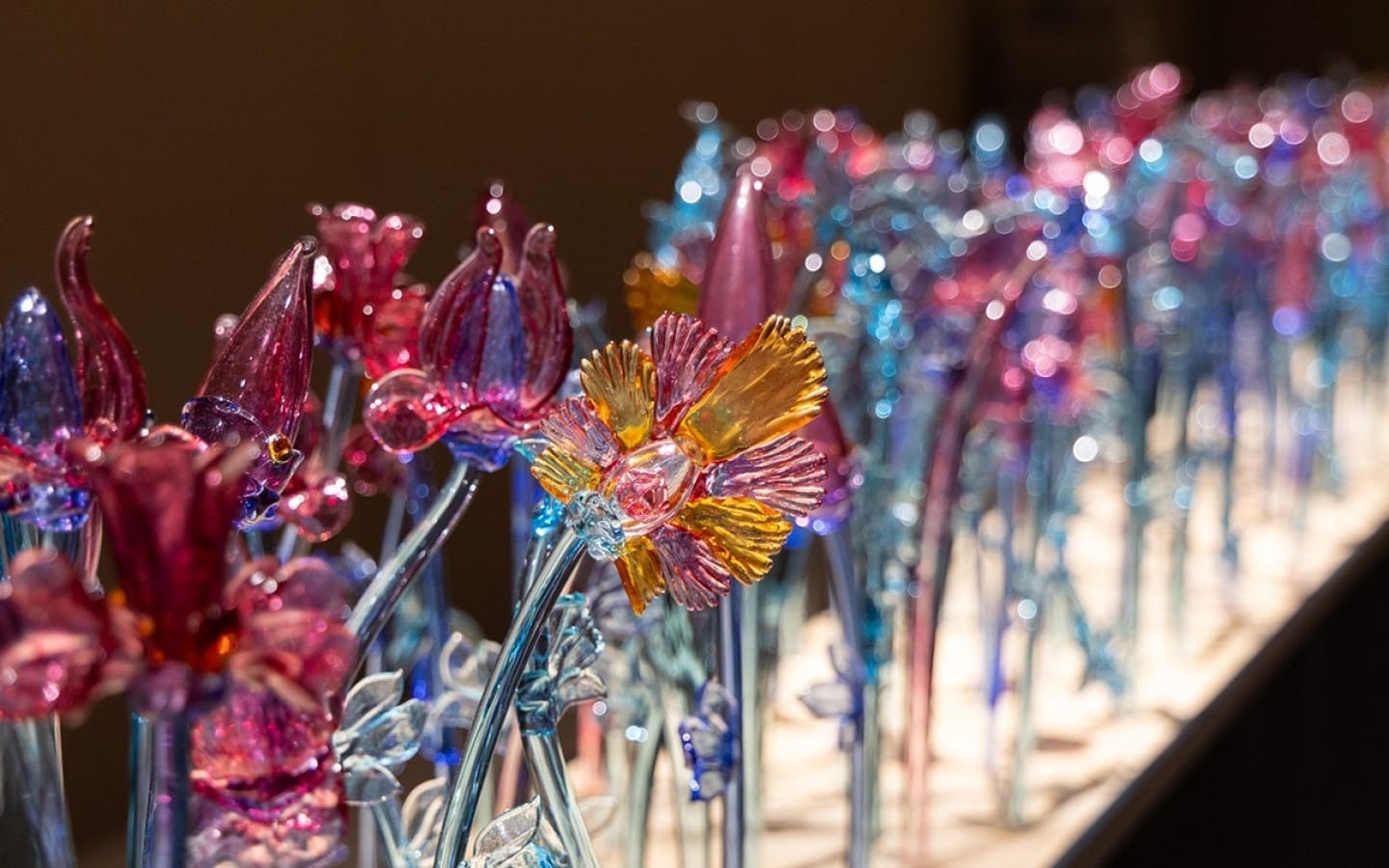
My Experience at VENICE GLASS WEEK 2026: Art, Craft, and More
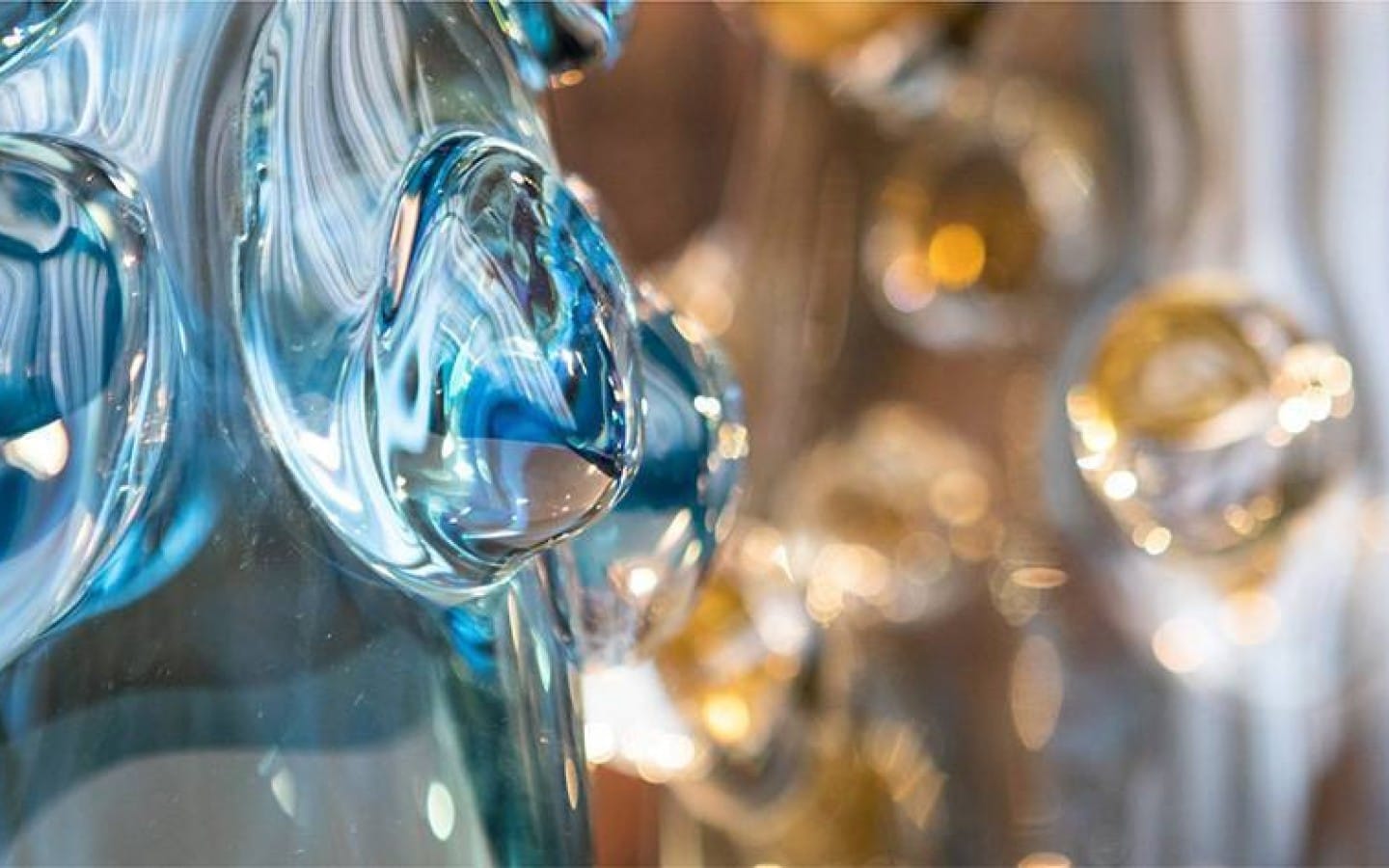
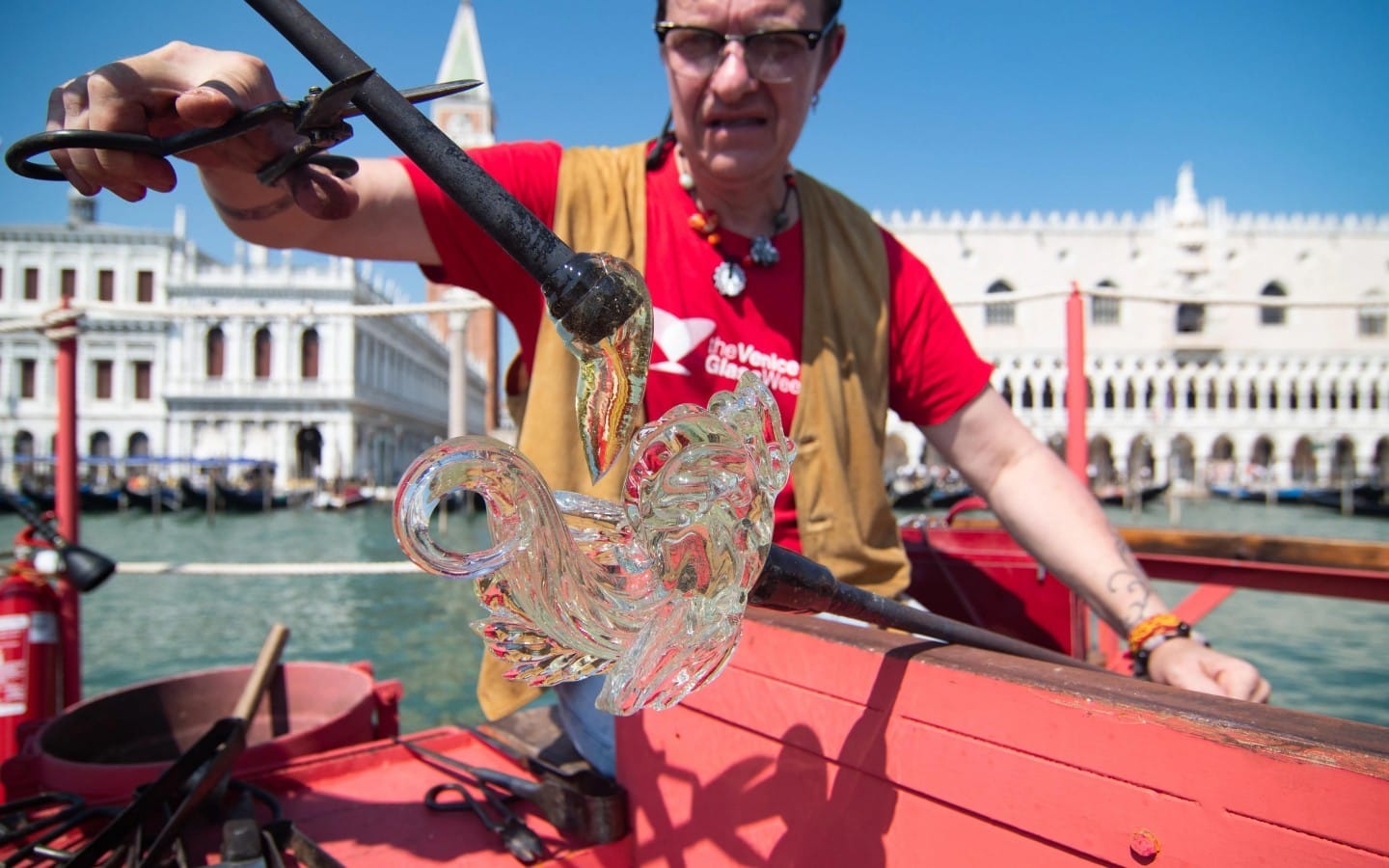
Venice Glass Week was much more than a glass art festival. It was an expansive cultural experience linking venues across islands. Structured exhibitions featured newly created glass artworks alongside fascinating historical displays. In some corners, I stumbled upon live glassmaking demonstrations that revealed the intense labor involved. The way artisans infused traditional techniques with modern designs was enthralling. I found that each venue, whether a historic palace or a modest workshop, contributed uniquely to the larger narrative of the festival.
Key sites of the exhibition spanned museums, galleries, and palaces. I was also drawn to public installations and unexpected collaborations springing up through the archipelago. A sense of interconnectedness was apparent as glass works embodied both craft and cutting-edge design. The festival didn't just showcase glass as a decorative object; it highlighted its relevance in modern architecture and conceptual art. The decentralized nature of the event encouraged a fluidity between locations, making the journey as captivating as the works on display.
Why VENICE GLASS WEEK 2026 Stands Out
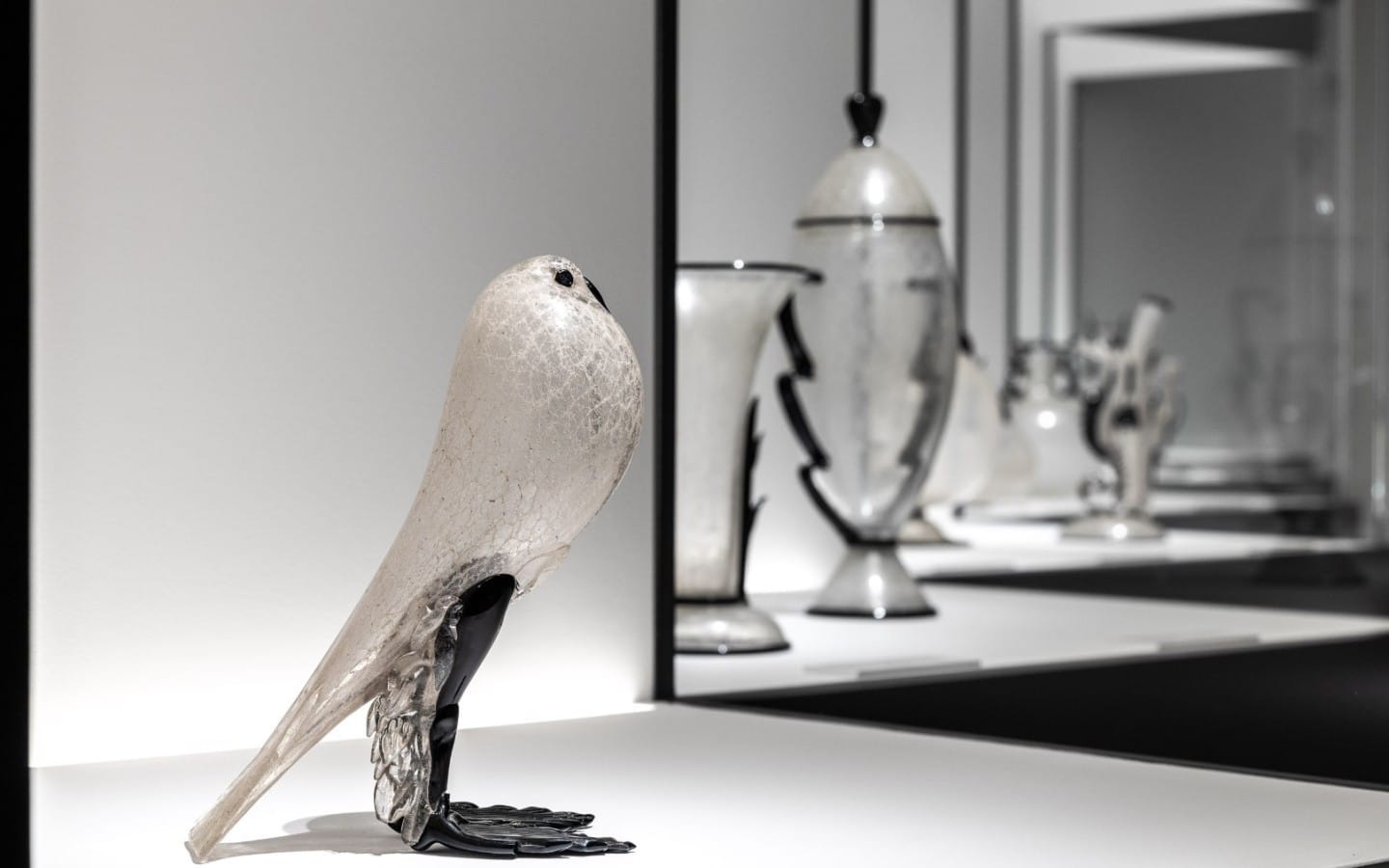
The festival served as an intellectual and visual feast for various audiences—a collectors' dream, a designer's innovation hub, an artist's inspiration, and a cultural professional's study of heritage preservation. Collectors had a rare chance to appreciate both classic glass artworks and avant-garde pieces that experimented with form and material. Designers and craftsmen explored pathways of material innovation, deeply relevant in today's fast-evolving creative landscapes.
For a traveler like me, looking through the lens of craft, the interplay between traditional skills and contemporary approaches was a revelation. VENICE GLASS WEEK 2026 felt more interactive and immersive compared to conventional art fairs, as it was intimately tied to the city's geography itself. As I traveled between islands, workshops, and exhibitions, I cherished not only the art but the city’s vibrant personality echoing through the events. This festival rejuvenates the idea that glass is not simply decorative; it's a medium of expression, bridging technical skill with artistic flair.
Navigating Your Way Through VENICE GLASS WEEK
While flying into Venice Marco Polo Airport, I was already brimming with anticipation. The city's labyrinthine canals and walkways were navigated using the vaporetto, the city’s iconic water buses. This was not just transportation—it was part of the experience. Ferries and trains linked Venice to Murano and Mestre, making the cross-island exploration quite seamless.
Walking through Venice's historic squares and along its winding canals was both a visual and a cultural delight. Some exhibitions were right at my fingertips while others required more traveled routes, offering a fragmented yet cohesive storytelling. Careful planning ahead was crucial here, though, as events were widely dispersed. With installations in museums, glass furnaces, and cultural institutions, mapping out each day enriched the adventure, allowing unexpected discoveries at every turn.
A Glimpse into the History Behind VENICE GLASS WEEK 2026
The festival began in 2017 as a response to concerns about the traditional glass trade in Murano facing threats from economic competition and industrial change. Since its humble beginnings, the festival has turned into an international stage for glass art, drawing participants from all over the globe. This growth highlighted how historic craft could still resonate in today’s art world. It's remarkable how Venice's glassmaking history, rooted since the late 13th century, continues to influence artistry and utility in glass today. This balance of preserving legacy while embracing new interpretations is key to the festival's success.
Murano glass is renowned for its luxury and technical excellence, a reputation that the festival successfully showcases while adding modern narratives. By connecting historical mastery with contemporary dialogs, VENICE GLASS WEEK 2026 challenges us to rethink glass not just as an art form but as a cultural artifact that articulates a myriad of stories through its transformation.
Visiting Tips for Maximum Enjoyment
My visit benefited immensely from pre-planned routes, allowing adequate time to soak in the vast richness. I suggest setting aside two to three days at least—there is so much to uncover. Murano was particularly captivating with its live demonstrations that felt like peering into centuries-old secrets. Balancing new and traditional art with one of Venice’s iconic historical sites provided a fuller picture.
Workshops filled up quickly, so for those keen on hands-on experiences, booking in advance was a necessity. Being present at live demonstrations was like stepping back in time, offering a tactile and memorable connection to Murano's deep-rooted traditions.
A Personal Reflection on VENICE GLASS WEEK 2026
Having observed the festival firsthand, I see it as a testament to how traditional crafts can evolve alongside and within contemporary art movements. In a world where art seems to shift towards the digital and conceptual, glass remains tactile and intensely detailed, reminding us of the skill and mastery behind each piece. From my point of view, Venice Glass Week is more about how these vibrant traditions continue to transform and influence the present and future. For any collector, art enthusiast, or traveler in spirit, this event offers both a deep historical reflection and a glimpse forward into what contemporary glass art could become. The week in Venice wasn't just a trip; it was a catalyst for inspiration and a deeper understanding of the dynamic dialogue between the past and future of glass artistry.
Claire Bennett for ArtexpoWorld.com