WEST BUND ART & DESIGN 2026
Explore the significance of WEST BUND ART & DESIGN 2026 as a key event integrating Asian perspectives into the global art scene.
I'm eagerly planning my visit to the WEST BUND ART & DESIGN 2026 in Shanghai, and it's shaping up to be quite an experience. This event is set against the backdrop of China's surging influence in the global art scene. Shanghai isn't just coming into its own anymore; it's firmly established as a key player. This fair is a perfect reflection of that power shift, where extensive global galleries converge in a market that's buzzing with growth and sophistication.
What to Expect from WEST BUND ART & DESIGN 2026
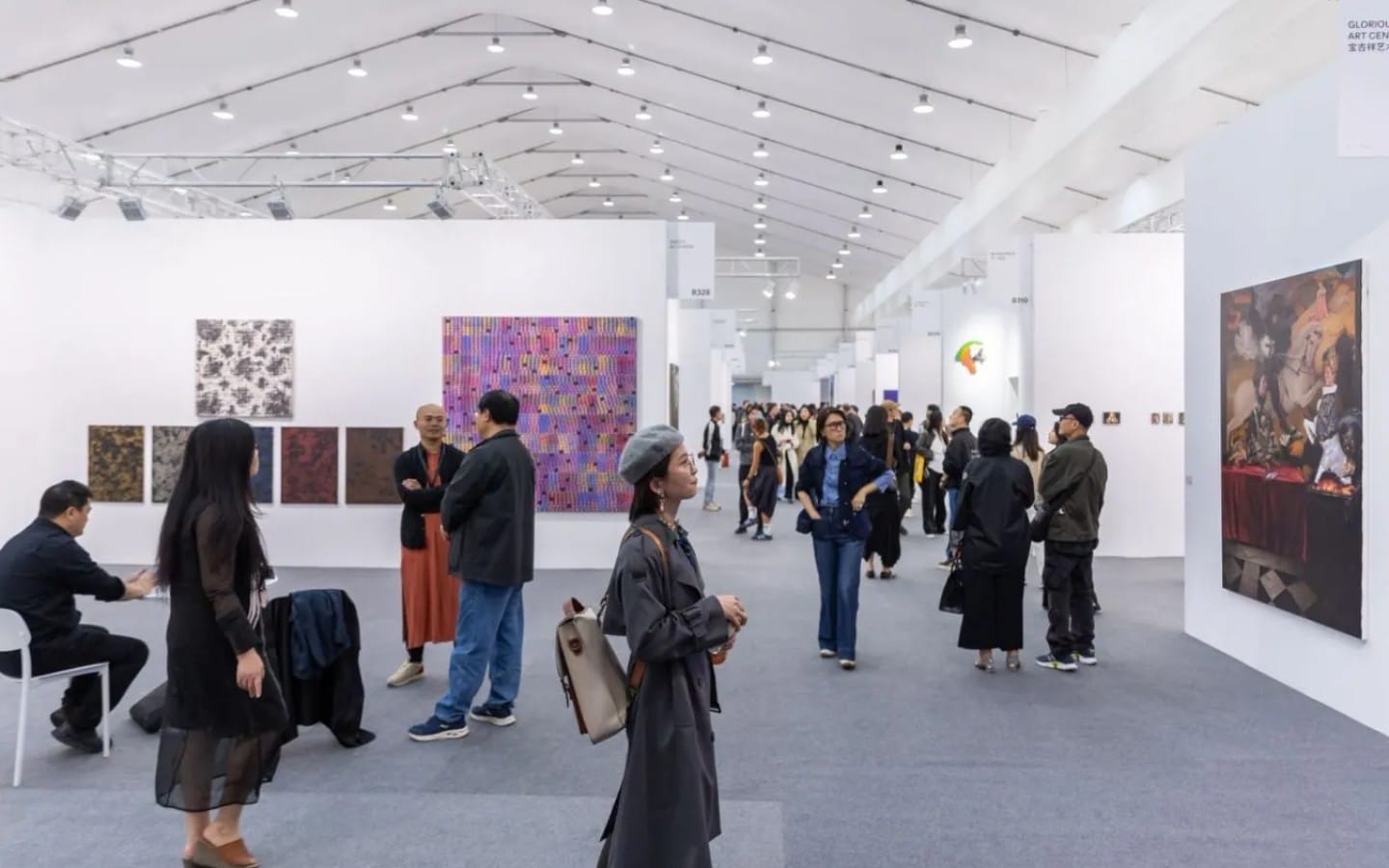
The visitor guide for WEST BUND ART & DESIGN 2026 promises a broad and diverse array of artistic endeavors. Expect the presence of leading international galleries and renowned contemporary artists. There’s also a vibrant representation of Asian and Chinese galleries, ensuring a confluence of cultures and ideas. I’ve read about how this event doesn’t limit itself to the traditional; it embraces an exciting mix of design and cross-disciplinary projects too. Moreover, large-scale installations are set to transform the space, inviting deep engagement from attendees.
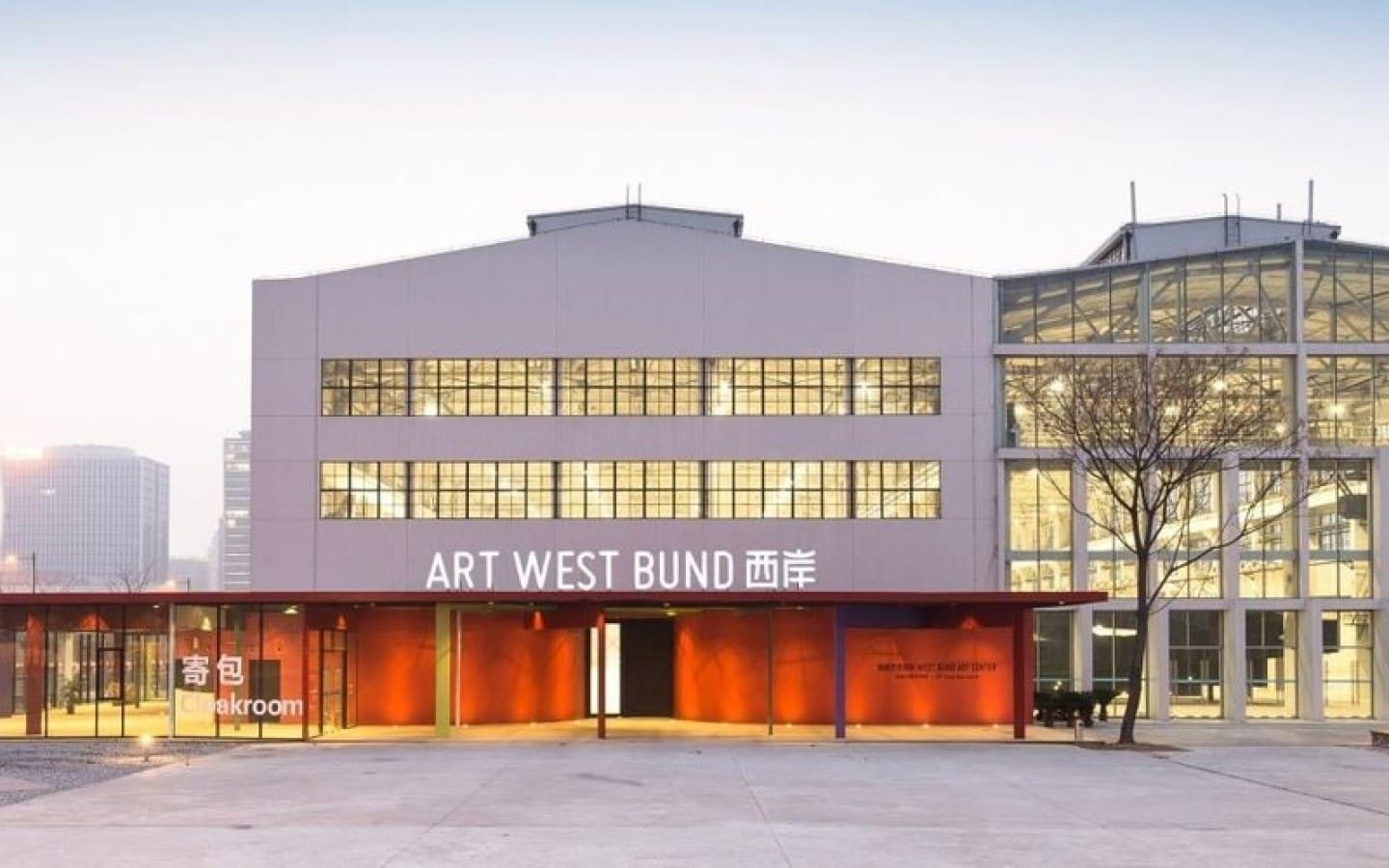
This fair, hosted from November 1st to November 30th at the West Bund Art Center, seeks not merely to place Shanghai on the global contemporary art map, but to ensure it stays at the forefront. Promoting Chinese contemporary art and facilitating global dialogue are central aims. By encouraging connections among artists, collectors, and institutions, it contributes to meaningful discussions between the local scene and international markets. China’s strategic investment in contemporary art as cultural and economic capital is evident in how the fair integrates Asian insights into the global conversation, shaping the future of the art market. This offers a unique window into global trends that I am excited to witness firsthand.
Reasons to Attend This Art Fair
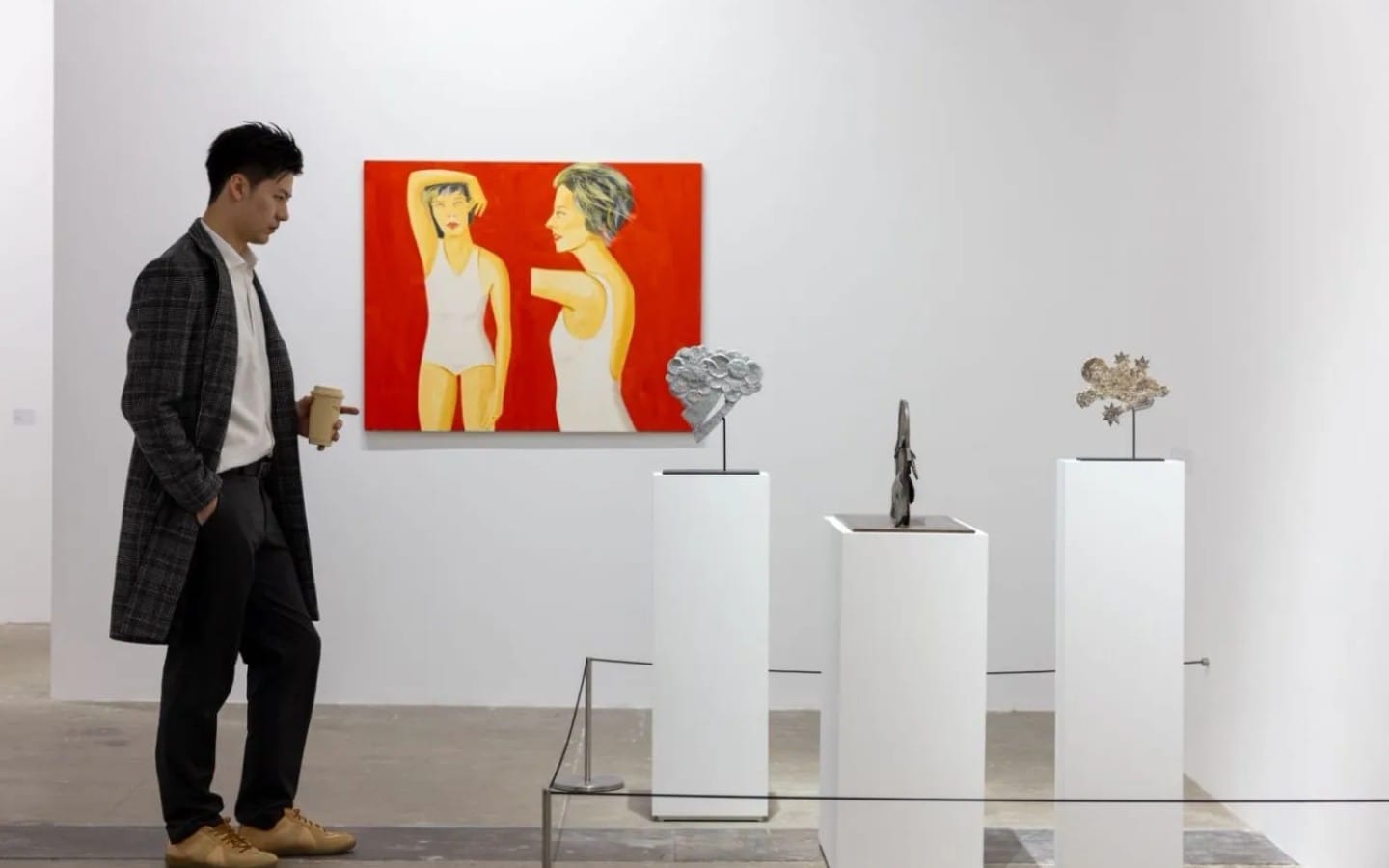
For anyone involved in the art world, WEST BUND ART & DESIGN 2026 emerges as a strategic gathering for myriad reasons. Collectors aiming to explore the Chinese market will find it indispensable, while galleries looking to expand their influence in Asia can gain an essential foothold. Curators with an interest in contemporary Asian art will have plenty to study, including emerging artists and the evolution of regional styles. Art advisors tracking shifts in the global market will find valuable insights. The fair presents a direct encounter with one of the fastest-growing collector populations worldwide, offering a platform for galleries to extend their reach. Additionally, it introduces collectors to leading Asian practitioners alongside Western blue-chip artists. The cultural and economic weight of Shanghai underscores the fair's significance in the art calendar, and I am quite eager to explore how these elements come together to create an engaging atmosphere.
How to Get There
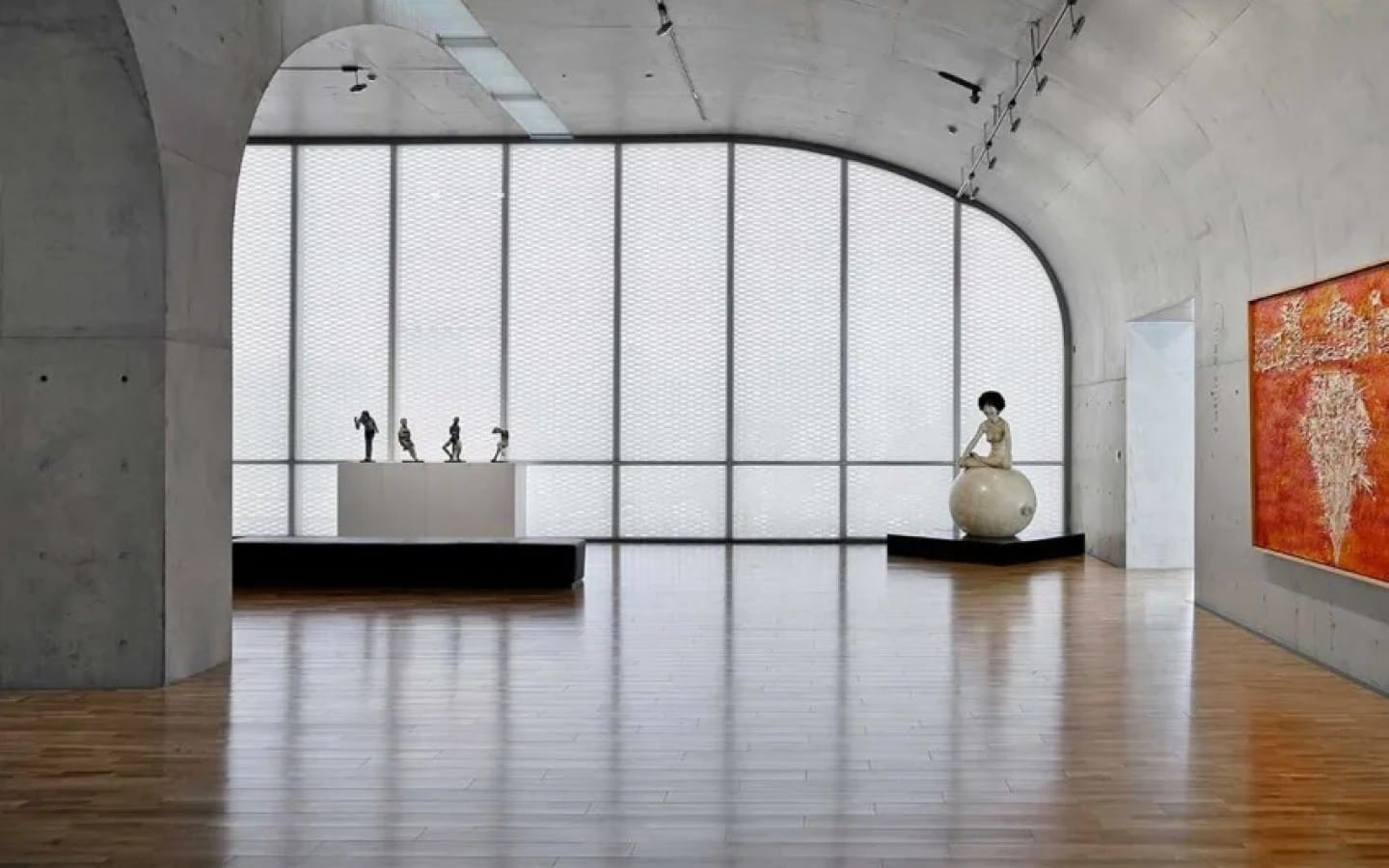
Travel arrangements for WEST BUND ART & DESIGN 2026 look straightforward. Shanghai boasts two major airports: Shanghai Pudong International Airport is approximately 40 to 60 minutes from the venue, while Shanghai Hongqiao Airport is around 20 to 30 minutes away. Public transport options are robust, with metro lines providing seamless access to the West Bund district. Taxis are readily available too, though it’s wise to consider potential traffic conditions given Shanghai's sprawling size. Planning routes in advance will be crucial for maximizing time during this visit, and I intend to have a map of the metro handy to navigate the city efficiently.
Stay Updated for More Art Events
Keeping abreast of the latest developments in global art events is vital, and various platforms can help with that. Social media channels and art blogs are essential for enthusiasts and professionals looking to keep tabs on what's transpiring in the art world beyond the borders of this Shanghai event. These updates provide timely insights and help in planning future art expeditions.
A Brief History of WEST BUND ART & DESIGN
WEST BUND ART & DESIGN was launched in 2014, part of a broader initiative to position Shanghai as a cultural epicenter. Initially an industrial zone, the West Bund district has transformed into a thriving cultural hub featuring museums, galleries, and art institutions. The fair rapidly caught the eye of the international art scene, pulling in major galleries and becoming a fixture of Shanghai Art Week. Its rise underscores China's increasing prominence in the global art market, fostering a knowledgeable collector base and bolstering international exchange. Recognized as one of Asia’s most significant contemporary art gatherings, WEST BUND ART & DESIGN continues to shape the artistic landscape, and I look forward to seeing firsthand how it has evolved. The development of the area itself tells a story of transformation, reflecting broader shifts in the cultural and economic spheres of the region.
Visitor Tips for a Successful Experience
Here are some tips I’ll be keeping in mind during my visit: allow at least one full day to take in all the sights and experiences fully. If possible, attending the preview could provide early insights into the event. Exploring other Shanghai Art Week activities should also be on the agenda, as the city will be abuzz with artistic energy. Transportation arrangements should be planned out in advance, with considerations for traffic and peak hours in mind. Scheduling any crucial meetings early will ensure a hassle-free experience once there, allowing ample time to explore and engage with the diverse offerings at the fair.
Reflecting on the Strategic Significance of the Fair
This upcoming event carries weight not only for its participants but also for the broader global art community. It highlights the increasingly central role Asia plays in the art world. Personally, I am eager to see how these dynamics manifest on an international stage. WEST BUND ART & DESIGN 2026 promises to be a pivotal gathering for artists, galleries, and collectors alike, showcasing the vital exchanges shaping contemporary art today. The fair stands as a testament to the unique merging of traditional and contemporary, local and global, creating a platform that helps foster understanding and enrichment across cultural lines.
Claire Bennett for ArtexpoWorld.com